THE ADVENTURE COLLECTIVE® · Independent discovery and booking for outdoor travel

Visit Cleveland’s Rock & Roll Hall of Fame to see iconic artifacts, multimedia exhibits and live-induction footage that chart the music’s cultural arc. Plan 1–4 hours and arrive early to avoid peak crowds.
Visit Cleveland’s Rock & Roll Hall of Fame to see iconic artifacts, multimedia exhibits and live-induction footage that chart the music’s cultural arc. Plan 1–4 hours and arrive early to avoid peak crowds.
You step onto the plaza and the glass pyramid glints against the sky, a modern monument that points toward Lake Erie and the city beyond. Inside, a low-frequency hum of amplifiers and voices threads through galleries stacked with jackets, handwritten lyrics, instruments and stage rigs — objects that trace how a sound once local became global.
Verified experiences and guided adventures in the surrounding area.
Operated by Rock and Roll Hall of Fame and Museum · Cleveland, Ohio
You step onto the plaza and the glass pyramid glints against the sky, a modern monument that points toward Lake Erie and the city beyond. Inside, a low-frequency hum of amplifiers and voices threads through galleries stacked with jackets, handwritten lyrics, instruments and stage rigs — objects that trace how a sound once local became global.
The Rock & Roll Hall of Fame opened in 1995 to document the artists, producers and movements that shaped popular music. Its architecture sits on reclaimed industrial shoreline; beneath the exhibits the lake’s geology once fed the region’s iron mills. Galleries map cultural shifts — Motown and punk, grunge and hip hop — and place artifacts next to oral histories and video performances that let you hear context as well as see it.
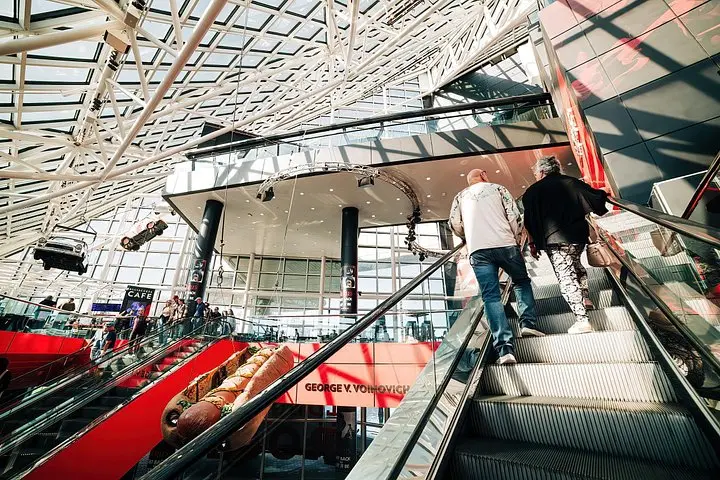
Expect themed zones: Roots of Rock, artist-specific rooms (Beatles, Elvis), and rotating exhibits that highlight current stars and social movements. The Power of Rock theater compiles induction performances that give the museum a concert-hall pulse. Staff encourage self-guided touring; audio and video stations let you linger where you choose.
Practicalities: admission covers the permanent collection; plan 1–3 hours to move at a steady pace (up to 4 hours if you linger). Peak times are midday and Thursday evenings; arrive early for quieter galleries. The building is wheelchair- and stroller-accessible and enforces basic health guidelines. Bring closed shoes for the plaza, a charged phone for multimedia exhibits, and time to step outside afterward — the lakefront and nearby East 4th Street offer food and views to round out the visit.
Plan 1–3 hours for the permanent collection and exhibits; budget up to 4 hours if you watch multiple film programs and rotating exhibits.
No — pre-purchased tickets are scanned at entry and the museum accommodates self-guided visits without a reserved time slot.
Yes — the facility is wheelchair- and stroller-accessible with elevators and accessible restrooms; staff can assist as needed.
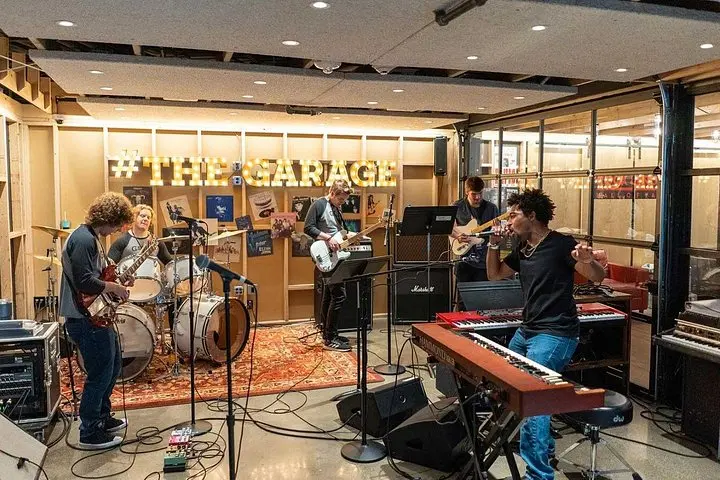
Yes — interactive exhibits like The Beat Goes On let visitors explore influences and sounds, and the Garage offers performance and hands-on experiences suitable for families.
Rock and Roll Hall of Fame and Museum operates guided outdoor trips and adventures with an emphasis on safety, stewardship, and memorable experiences.
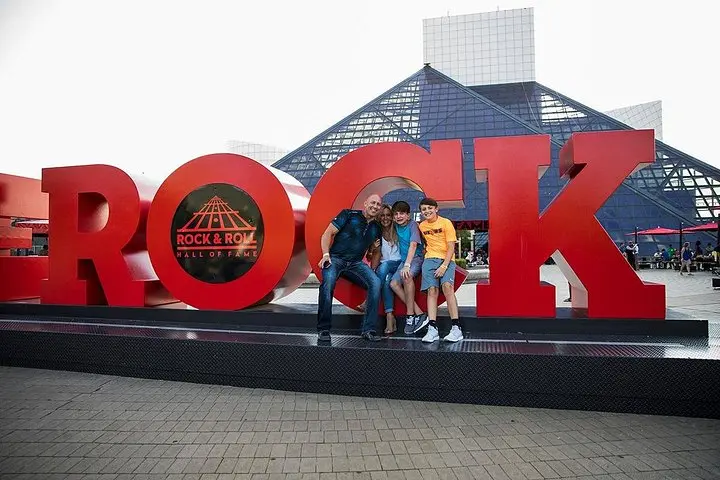
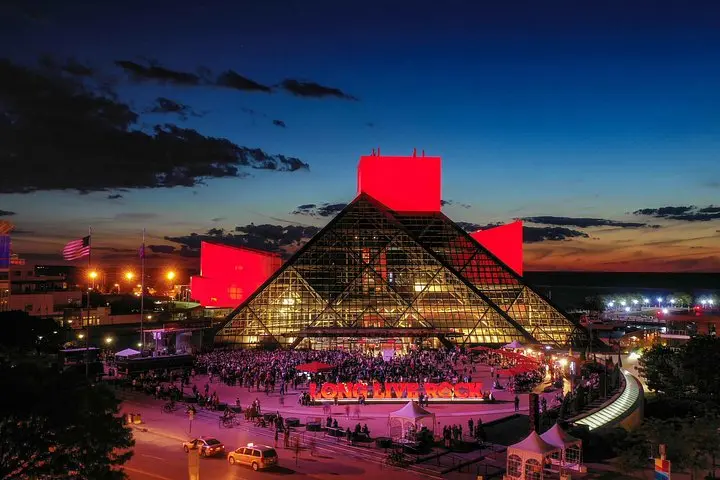
You step onto the plaza and the glass pyramid glints against the sky, a modern monument that points toward Lake Erie and the city beyond. Inside, a low-frequency hum of amplifiers and voices threads through galleries stacked with jackets, handwritten lyrics, instruments and stage rigs — objects that trace how a sound once local became global.
You step onto the plaza and the glass pyramid glints against the sky, a modern monument that points toward Lake Erie and the city beyond. Inside, a low-frequency hum of amplifiers and voices threads through galleries stacked with jackets, handwritten lyrics, instruments and stage rigs — objects that trace how a sound once local became global.
The Rock & Roll Hall of Fame opened in 1995 to document the artists, producers and movements that shaped popular music. Its architecture sits on reclaimed industrial shoreline; beneath the exhibits the lake’s geology once fed the region’s iron mills. Galleries map cultural shifts — Motown and punk, grunge and hip hop — and place artifacts next to oral histories and video performances that let you hear context as well as see it.
Expect themed zones: Roots of Rock, artist-specific rooms (Beatles, Elvis), and rotating exhibits that highlight current stars and social movements. The Power of Rock theater compiles induction performances that give the museum a concert-hall pulse. Staff encourage self-guided touring; audio and video stations let you linger where you choose.
Practicalities: admission covers the permanent collection; plan 1–3 hours to move at a steady pace (up to 4 hours if you linger). Peak times are midday and Thursday evenings; arrive early for quieter galleries. The building is wheelchair- and stroller-accessible and enforces basic health guidelines. Bring closed shoes for the plaza, a charged phone for multimedia exhibits, and time to step outside afterward — the lakefront and nearby East 4th Street offer food and views to round out the visit.