THE ADVENTURE COLLECTIVE® · Independent discovery and booking for outdoor travel

Learn climbing techniques and push your limits on solid canyon rock just minutes from downtown Boulder. This private guided session combines concise instruction, hands-on coaching, and short, technical routes suited to a range of abilities.
Learn climbing techniques and push your limits on solid canyon rock just minutes from downtown Boulder. This private guided session combines concise instruction, hands-on coaching, and short, technical routes suited to a range of abilities.
The canyon opens like a chapter of exposed stone: steep ribs of dark granite broken by cracks and ledges, a ribbon of Boulder Creek daring you to look down. On a morning in Boulder Canyon a small team gathers at the trail parking, helmets dimpled with dust, harnesses cinched and voices low with focus. A guide runs through a quick safety brief, demonstrates a knot, and suddenly even the cliff feels within reach.
Verified experiences and guided adventures in the surrounding area.
Operated by Summit Ascents International · Boulder, Colorado
The canyon opens like a chapter of exposed stone: steep ribs of dark granite broken by cracks and ledges, a ribbon of Boulder Creek daring you to look down. On a morning in Boulder Canyon a small team gathers at the trail parking, helmets dimpled with dust, harnesses cinched and voices low with focus. A guide runs through a quick safety brief, demonstrates a knot, and suddenly even the cliff feels within reach.
Climbing here is a local ritual. Boulder Canyon has been a climbing ground since the mid-20th century when climbers began testing single-pitch faces and learning to read the rock. Geologically, the canyon is carved from Precambrian metamorphic and igneous rock—solid, rough edges that bite into shoes and hold slings—so routes are often short, technical and intensely rewarding. The climb sites minutes from downtown Boulder compress a lot of vertical history into a short approach: a ten-minute hike from the parking area puts you on a bolted face or a crack system ready for a top-rope or guided lead.
Culture here is direct and practical. Guides in Boulder run concise lessons: rope systems, belaying, anchor management, and how to move deliberately on small holds. Expect to climb single-pitch routes of 40–100 feet with options tailored to your level; guides will place you on anything from slab footwork problems to physical, hand-crack sequences.
This private experience is made for focused learning and personal challenge. The guide’s job is to scale the learning curve quickly—fitting gear, checking knots, demonstrating technique, and giving concise, actionable feedback. Between climbs you’ll watch the canyon’s light shift, listen to the creek pushing downstream, and feel your confidence grow with each sent move.
Practical guidance: the trailhead sits at roughly 5,700 feet elevation; plan for sun exposure and thinner air if you’re used to sea level. Wear approach shoes for the rocky walk to the crag, not flip-flops. Bring a 1–2 liter hydration system and layered clothing—mornings can be cool, afternoons warm. Guides supply harnesses, helmets and climbing shoes if needed, but a snug personal pair of shoes improves footwork.
Timing matters. Book morning sessions to avoid afternoon winds and rockfall risk during thaws. Respect wildlife and seasonal closures—raptor nesting can close certain faces in spring. The climb is physically demanding: expect upper-body and core engagement; practice a few pull-ups and ankle stability beforehand. Finally, leave no trace—pack out tape and tape up chalk use to protect the rock.
Whether you want a first alpine taste or a technical polish, a private guide in Boulder Canyon gives you efficient coaching, safe exposure, and the unnerving delight of clipping in high above the creek. It’s short, sharp, and exactly the kind of day that keeps climbers coming back to this stretch of Colorado rock.
Yes—guides supply harnesses, helmets, ropes and basic hardware; you can bring personal climbing shoes for a better fit.
Yes—this private session is appropriate for beginners, but participants should have good cardiovascular health and basic mobility.
Routes are typically single-pitch and vary from low-angle footwork slabs to steeper crack and face climbs; guides match routes to your goals.
Meet at the Boulder Canyon trail parking area listed in your booking; the guide will confirm precise meet-up instructions before the trip.
Trips are canceled for bad weather—full refunds are available if you cancel at least 24 hours before the departure time per the supplier policy.
Children may participate if they are physically capable and within the operator’s age requirements—confirm specific age limits when booking.
Summit Ascents International operates guided outdoor trips and adventures with an emphasis on safety, stewardship, and memorable experiences.
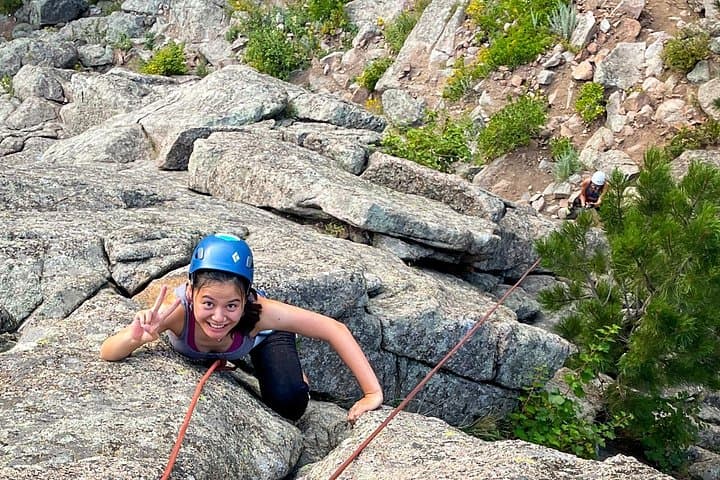
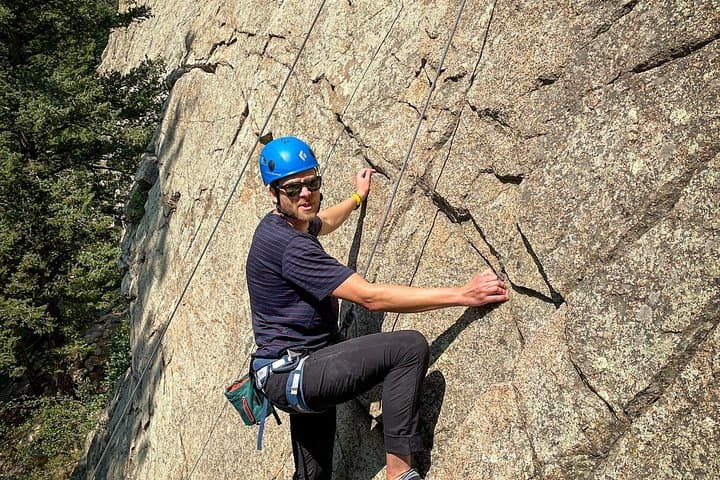
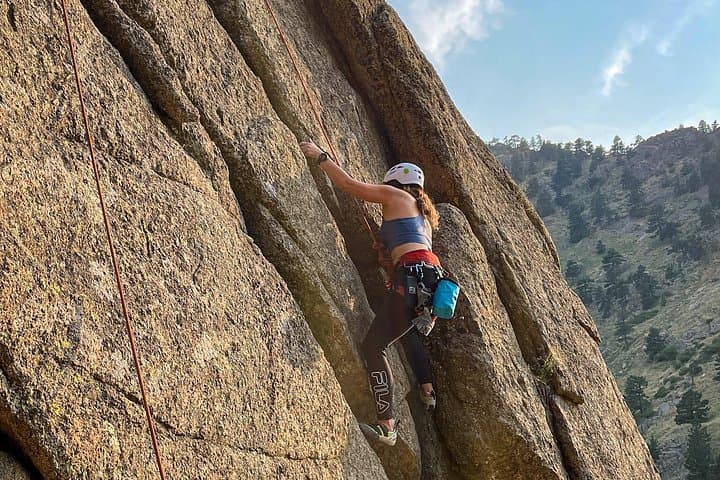
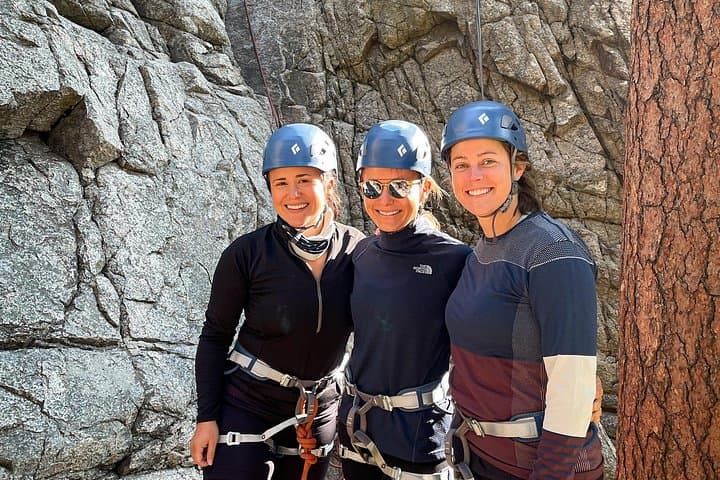
The canyon opens like a chapter of exposed stone: steep ribs of dark granite broken by cracks and ledges, a ribbon of Boulder Creek daring you to look down. On a morning in Boulder Canyon a small team gathers at the trail parking, helmets dimpled with dust, harnesses cinched and voices low with focus. A guide runs through a quick safety brief, demonstrates a knot, and suddenly even the cliff feels within reach.
The canyon opens like a chapter of exposed stone: steep ribs of dark granite broken by cracks and ledges, a ribbon of Boulder Creek daring you to look down. On a morning in Boulder Canyon a small team gathers at the trail parking, helmets dimpled with dust, harnesses cinched and voices low with focus. A guide runs through a quick safety brief, demonstrates a knot, and suddenly even the cliff feels within reach.
Climbing here is a local ritual. Boulder Canyon has been a climbing ground since the mid-20th century when climbers began testing single-pitch faces and learning to read the rock. Geologically, the canyon is carved from Precambrian metamorphic and igneous rock—solid, rough edges that bite into shoes and hold slings—so routes are often short, technical and intensely rewarding. The climb sites minutes from downtown Boulder compress a lot of vertical history into a short approach: a ten-minute hike from the parking area puts you on a bolted face or a crack system ready for a top-rope or guided lead.
Culture here is direct and practical. Guides in Boulder run concise lessons: rope systems, belaying, anchor management, and how to move deliberately on small holds. Expect to climb single-pitch routes of 40–100 feet with options tailored to your level; guides will place you on anything from slab footwork problems to physical, hand-crack sequences.
This private experience is made for focused learning and personal challenge. The guide’s job is to scale the learning curve quickly—fitting gear, checking knots, demonstrating technique, and giving concise, actionable feedback. Between climbs you’ll watch the canyon’s light shift, listen to the creek pushing downstream, and feel your confidence grow with each sent move.
Practical guidance: the trailhead sits at roughly 5,700 feet elevation; plan for sun exposure and thinner air if you’re used to sea level. Wear approach shoes for the rocky walk to the crag, not flip-flops. Bring a 1–2 liter hydration system and layered clothing—mornings can be cool, afternoons warm. Guides supply harnesses, helmets and climbing shoes if needed, but a snug personal pair of shoes improves footwork.
Timing matters. Book morning sessions to avoid afternoon winds and rockfall risk during thaws. Respect wildlife and seasonal closures—raptor nesting can close certain faces in spring. The climb is physically demanding: expect upper-body and core engagement; practice a few pull-ups and ankle stability beforehand. Finally, leave no trace—pack out tape and tape up chalk use to protect the rock.
Whether you want a first alpine taste or a technical polish, a private guide in Boulder Canyon gives you efficient coaching, safe exposure, and the unnerving delight of clipping in high above the creek. It’s short, sharp, and exactly the kind of day that keeps climbers coming back to this stretch of Colorado rock.