THE ADVENTURE COLLECTIVE® · Independent discovery and booking for outdoor travel

Climb sea cliffs under the watchful eye of Farol da Guia. This two-hour guided lesson in Cascais pairs compact single-pitch limestone routes with expert instruction and Atlantic views—perfect for beginners and seasoned climbers alike.
Climb sea cliffs under the watchful eye of Farol da Guia. This two-hour guided lesson in Cascais pairs compact single-pitch limestone routes with expert instruction and Atlantic views—perfect for beginners and seasoned climbers alike.
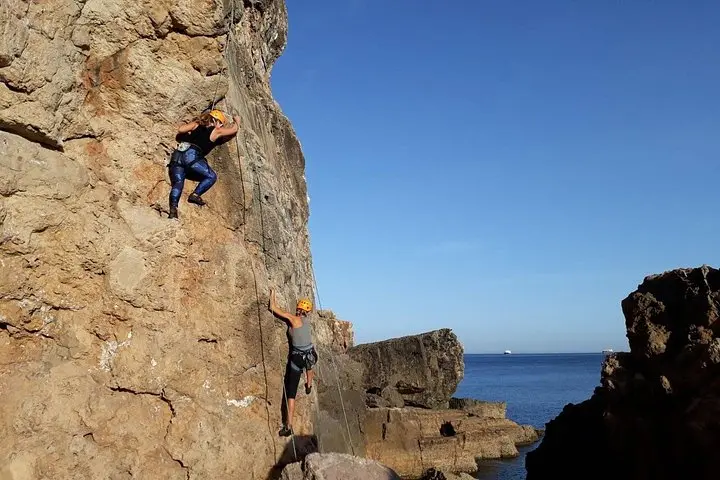
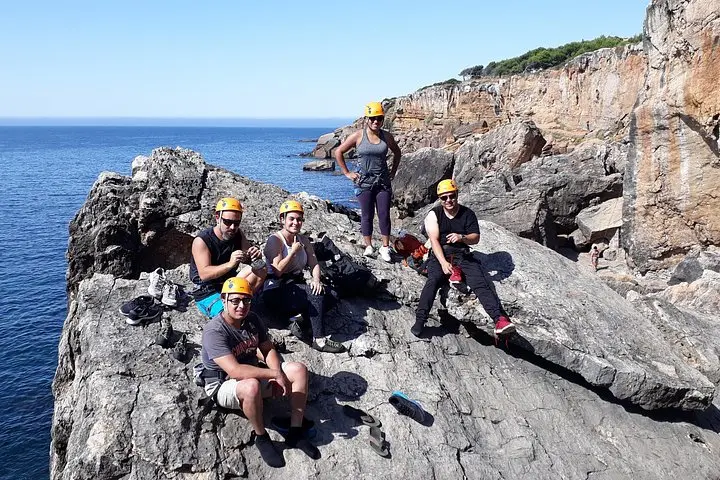
You meet under the squat white cone of Farol da Guia, the lighthouse watching its own reflection in the Atlantic. A warm wind pushes salt and the distant hiss of surf across the parking lot; instructors unpack ropes and shoes, voices low but confident. Minutes later you walk down a worn path where limestone drops straight into turquoise; seagulls wheel like punctuation marks and the ocean dares you to look over the edge.
Verified experiences and guided adventures in the surrounding area.
Operated by Cascais Routes · Cascais, Lisbon
You meet under the squat white cone of Farol da Guia, the lighthouse watching its own reflection in the Atlantic. A warm wind pushes salt and the distant hiss of surf across the parking lot; instructors unpack ropes and shoes, voices low but confident. Minutes later you walk down a worn path where limestone drops straight into turquoise; seagulls wheel like punctuation marks and the ocean dares you to look over the edge.
The cliffs around Cascais are the work of ancient seas. Layers of compacted shells and carbonate folded by slow tectonic rides form pocketed limestone that grips well for sport climbing. This stretch of coast has long been a threshold between land and sea: fishermen and royal families once kept watch here, and the lighthouse at Farol da Guia—an early 20th-century fixture—still marks the approach to the Tagus mouth and Lisbon’s harbor.
Cascais itself wears history in its cobbled streets and tiled facades. After your session, the town rewards climbers with fresh seafood, quiet plazas, and a promenade that traces a coastline pocked with coves. Geologically, the routes are short and steep—typically single-pitch sport climbs of 10–25 meters—so climbs feel immediate and intense. Culturally, the area blends small-town Portuguese rhythms with a steady flow of day-trippers from Lisbon; arrive early if you want a quieter cliff and better light for photos.
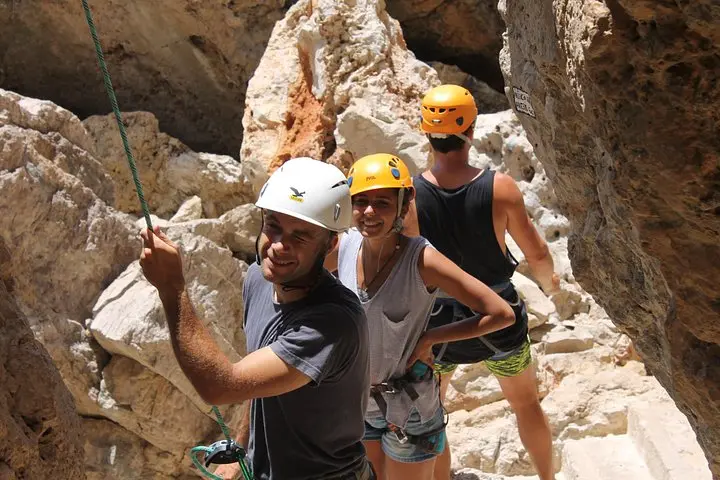
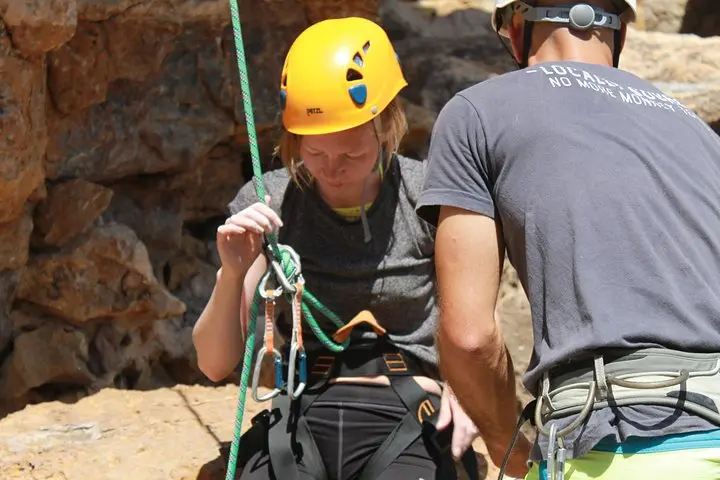
Practical edge: the climbing company provides helmet, harness, shoes, rope, quickdraws and belay devices, and offers instruction for total beginners. The lesson is two hours, a compact package of safety basics, knotwork, and guided top-ropes or lead climbing depending on your level. Routes are sheltered from prevailing winds, but they must be dry; wet limestone is dangerous, so sessions are rescheduled in rain.
Getting there is part of the ritual. Take the Cais do Sodré train from Lisbon to Cascais (about 40 minutes), then a short taxi or bus to Farol da Guia. Bring water, sun protection and flexible clothing; footwear for the walk down is helpful—the path can be uneven. If you want a longer day, combine the climb with a walk through Cascais’ old town and a swim at Praia da Rainha.
For photographers, aim for early morning or late afternoon when the sun scours the rock textures without flattening them. Above all, respect the sea and the cliff: anchors are maintained, but local stewards ask climbers to stick to bolted routes, leave no trace, and keep access trails clear. This is climbing with the Atlantic in your ears—a compact, accessible way to test yourself on Portugal’s coastline without leaving the comforts of Cascais behind.
No—sessions are adapted for beginners with instruction on knots, belaying and basic technique; more advanced climbers are guided on harder routes.
Instructors supply helmet, harness, climbing shoes, rope, quickdraws and belay devices—bring personal items like water and sun protection.
If the rock is wet from rain the instructor will propose a new date; if rescheduling isn't possible you will receive a full refund.
Meet at the Farol da Guia parking opposite the Repsol station (coordinates provided). From Cascais station take a short taxi, bus 405, or enjoy a 40–45 minute walk along the coast.
The program welcomes a wide range of ages but requires basic mobility for the descent to the crag; contact the operator about specific needs and infant seats if required.
Yes—pair the climb with a stroll through Cascais’ historic center, a seafood lunch, or a swim at nearby beaches like Praia da Rainha.
Cascais Routes operates guided outdoor trips and adventures with an emphasis on safety, stewardship, and memorable experiences.
You meet under the squat white cone of Farol da Guia, the lighthouse watching its own reflection in the Atlantic. A warm wind pushes salt and the distant hiss of surf across the parking lot; instructors unpack ropes and shoes, voices low but confident. Minutes later you walk down a worn path where limestone drops straight into turquoise; seagulls wheel like punctuation marks and the ocean dares you to look over the edge.
You meet under the squat white cone of Farol da Guia, the lighthouse watching its own reflection in the Atlantic. A warm wind pushes salt and the distant hiss of surf across the parking lot; instructors unpack ropes and shoes, voices low but confident. Minutes later you walk down a worn path where limestone drops straight into turquoise; seagulls wheel like punctuation marks and the ocean dares you to look over the edge.
The cliffs around Cascais are the work of ancient seas. Layers of compacted shells and carbonate folded by slow tectonic rides form pocketed limestone that grips well for sport climbing. This stretch of coast has long been a threshold between land and sea: fishermen and royal families once kept watch here, and the lighthouse at Farol da Guia—an early 20th-century fixture—still marks the approach to the Tagus mouth and Lisbon’s harbor.
Cascais itself wears history in its cobbled streets and tiled facades. After your session, the town rewards climbers with fresh seafood, quiet plazas, and a promenade that traces a coastline pocked with coves. Geologically, the routes are short and steep—typically single-pitch sport climbs of 10–25 meters—so climbs feel immediate and intense. Culturally, the area blends small-town Portuguese rhythms with a steady flow of day-trippers from Lisbon; arrive early if you want a quieter cliff and better light for photos.
Practical edge: the climbing company provides helmet, harness, shoes, rope, quickdraws and belay devices, and offers instruction for total beginners. The lesson is two hours, a compact package of safety basics, knotwork, and guided top-ropes or lead climbing depending on your level. Routes are sheltered from prevailing winds, but they must be dry; wet limestone is dangerous, so sessions are rescheduled in rain.
Getting there is part of the ritual. Take the Cais do Sodré train from Lisbon to Cascais (about 40 minutes), then a short taxi or bus to Farol da Guia. Bring water, sun protection and flexible clothing; footwear for the walk down is helpful—the path can be uneven. If you want a longer day, combine the climb with a walk through Cascais’ old town and a swim at Praia da Rainha.
For photographers, aim for early morning or late afternoon when the sun scours the rock textures without flattening them. Above all, respect the sea and the cliff: anchors are maintained, but local stewards ask climbers to stick to bolted routes, leave no trace, and keep access trails clear. This is climbing with the Atlantic in your ears—a compact, accessible way to test yourself on Portugal’s coastline without leaving the comforts of Cascais behind.