THE ADVENTURE COLLECTIVE® · Independent discovery and booking for outdoor travel

Leave the city behind and let a local guide lead you to Catalonia’s limestone and conglomerate crags. This full‑day private climbing trip from Barcelona blends guided coaching, multiple climbs tailored to your level, and a refreshing swim to finish.
Leave the city behind and let a local guide lead you to Catalonia’s limestone and conglomerate crags. This full‑day private climbing trip from Barcelona blends guided coaching, multiple climbs tailored to your level, and a refreshing swim to finish.
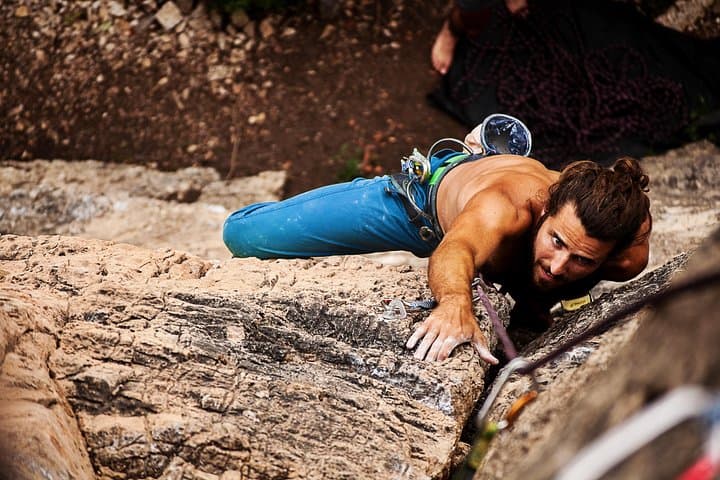
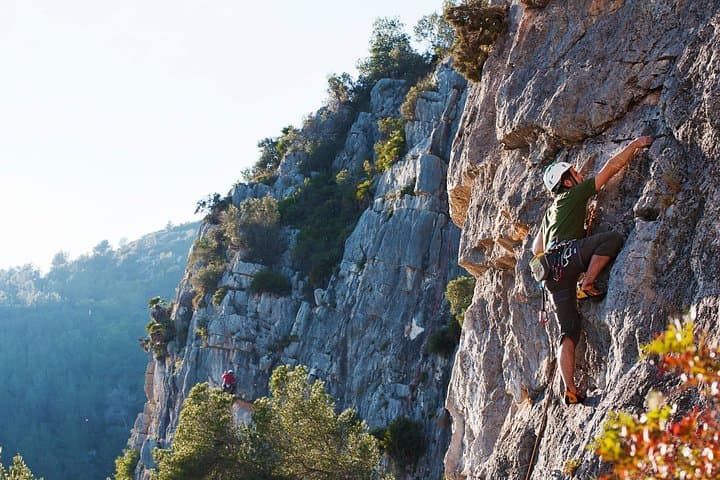
The day begins at Plaça Catalunya with the city’s pulse fading behind you as a van cuts through the ring road and into open country. Within an hour the skyline changes—glass towers give way to serrated ridgelines and sheer faces that catch the light. Your guide parks, checks ropes, and gestures toward a crag whose steep flank seems to challenge anyone who passes by. Leather shoes whisper across rock; the cliff waits, cool in the shade and warm where the sun finds it.
Verified experiences and guided adventures in the surrounding area.
Operated by Crag Rats BCN · Barcelona, Catalonia
The day begins at Plaça Catalunya with the city’s pulse fading behind you as a van cuts through the ring road and into open country. Within an hour the skyline changes—glass towers give way to serrated ridgelines and sheer faces that catch the light. Your guide parks, checks ropes, and gestures toward a crag whose steep flank seems to challenge anyone who passes by. Leather shoes whisper across rock; the cliff waits, cool in the shade and warm where the sun finds it.
This is a guided climbing day tailored to you. Operators working from Barcelona typically choose from a handful of Catalan crags—Montserrat’s chunky conglomerate, the vertical purity of Siurana’s limestone, or coastal faces near Garraf—so the terrain can shift from short bolted sport routes to longer, more technical pitches. Expect roughly 4–8 climbs over an eight-hour outing, with approaches that range from a five-minute scramble to a 30‑minute walk. If the weather allows, the guide often finishes with a swim in a hidden cove or river pool to rinse off chalk and sun.
Climbing in Catalonia has a practical, club-driven history: local climbers established sport routes and bolting standards in the 1970s and 1980s, turning many of these crags into training grounds for Mediterranean alpinism and sport climbing. Geologically the region offers both hard limestone—ideal for sharp edges and sustained routes—and conglomerate stacks like Montserrat that force you to read jumbled holds and friction moves. Culturally, guides blend climbing instruction with Catalan hospitality: conversations will wander from route beta to local tapas and village festivals.
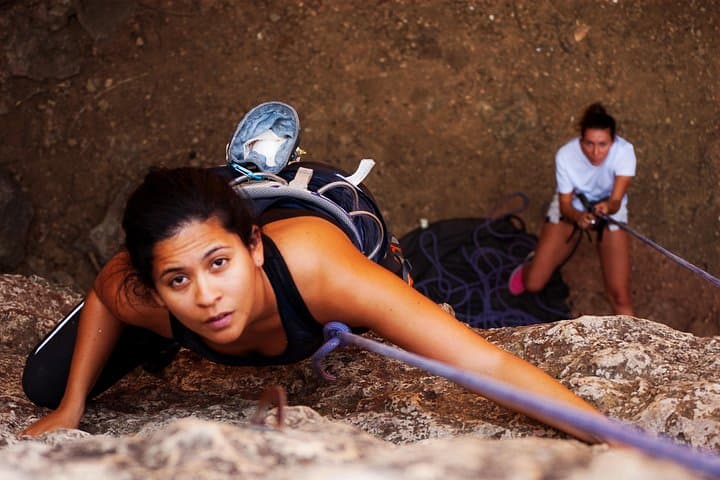
Practical guidance: the operator provides transportation, a professional guide, photographer, and climbing equipment, but bringing comfortable approach shoes, a loose daypack, water, and a bathing suit is smart. Routes are generally bolted sport climbs, so no advanced trad skills are required; however a guide will assess your level and tailor the day—beginners get top-ropes and coached progressions, stronger climbers can push on lead or multi-pitch terrain.
Timing and fitness matter. The full day is active—expect steady standing, belaying, and short bursts of climbing that demand core balance and forearm stamina. Sun protection and hydration are essential on exposed faces. If you’re carrying your own shoes or harness, check in advance; many outfits provide all necessary gear and transfers to and from the crag.
If you want the cleanest light for photos, aim for late afternoon; for cooler rock and quieter approaches, book spring or autumn. Whether you want a first taste of vertical movement or a targeted training day, a guided day trip from Barcelona hands you safe logistics, local route knowledge, and the kind of on-rock coaching that turns a weekend visit into an accomplished climb.
No—guides tailor the day to your level, offering top-rope coaching for beginners and lead options for experienced climbers.
Most operators supply ropes, harnesses, helmets, quickdraws and a guide; you may bring personal shoes or harness if preferred.
The listed duration is eight hours with pickup from Plaça Catalunya around 9:00am and return in the evening.
Children with moderate fitness and no fear of heights can join, but check age bands with the operator and disclose during booking.
Trips are cancelled in poor conditions with full refund if cancelled at least 24 hours in advance; guides will advise on day-of changes.
A photographer is often included as part of the tour, but you’re welcome to bring a small camera or phone for personal shots.
Crag Rats BCN operates guided outdoor trips and adventures with an emphasis on safety, stewardship, and memorable experiences.
The day begins at Plaça Catalunya with the city’s pulse fading behind you as a van cuts through the ring road and into open country. Within an hour the skyline changes—glass towers give way to serrated ridgelines and sheer faces that catch the light. Your guide parks, checks ropes, and gestures toward a crag whose steep flank seems to challenge anyone who passes by. Leather shoes whisper across rock; the cliff waits, cool in the shade and warm where the sun finds it.
The day begins at Plaça Catalunya with the city’s pulse fading behind you as a van cuts through the ring road and into open country. Within an hour the skyline changes—glass towers give way to serrated ridgelines and sheer faces that catch the light. Your guide parks, checks ropes, and gestures toward a crag whose steep flank seems to challenge anyone who passes by. Leather shoes whisper across rock; the cliff waits, cool in the shade and warm where the sun finds it.
This is a guided climbing day tailored to you. Operators working from Barcelona typically choose from a handful of Catalan crags—Montserrat’s chunky conglomerate, the vertical purity of Siurana’s limestone, or coastal faces near Garraf—so the terrain can shift from short bolted sport routes to longer, more technical pitches. Expect roughly 4–8 climbs over an eight-hour outing, with approaches that range from a five-minute scramble to a 30‑minute walk. If the weather allows, the guide often finishes with a swim in a hidden cove or river pool to rinse off chalk and sun.
Climbing in Catalonia has a practical, club-driven history: local climbers established sport routes and bolting standards in the 1970s and 1980s, turning many of these crags into training grounds for Mediterranean alpinism and sport climbing. Geologically the region offers both hard limestone—ideal for sharp edges and sustained routes—and conglomerate stacks like Montserrat that force you to read jumbled holds and friction moves. Culturally, guides blend climbing instruction with Catalan hospitality: conversations will wander from route beta to local tapas and village festivals.
Practical guidance: the operator provides transportation, a professional guide, photographer, and climbing equipment, but bringing comfortable approach shoes, a loose daypack, water, and a bathing suit is smart. Routes are generally bolted sport climbs, so no advanced trad skills are required; however a guide will assess your level and tailor the day—beginners get top-ropes and coached progressions, stronger climbers can push on lead or multi-pitch terrain.
Timing and fitness matter. The full day is active—expect steady standing, belaying, and short bursts of climbing that demand core balance and forearm stamina. Sun protection and hydration are essential on exposed faces. If you’re carrying your own shoes or harness, check in advance; many outfits provide all necessary gear and transfers to and from the crag.
If you want the cleanest light for photos, aim for late afternoon; for cooler rock and quieter approaches, book spring or autumn. Whether you want a first taste of vertical movement or a targeted training day, a guided day trip from Barcelona hands you safe logistics, local route knowledge, and the kind of on-rock coaching that turns a weekend visit into an accomplished climb.