THE ADVENTURE COLLECTIVE® · Independent discovery and booking for outdoor travel

Join a guided winter Jeep safari from Estes Park to explore frozen meadows, aspen groves, and alpine viewpoints in Rocky Mountain National Park. Expect short hikes, wildlife spotting, and adaptable routes if high-elevation areas are closed.
Join a guided winter Jeep safari from Estes Park to explore frozen meadows, aspen groves, and alpine viewpoints in Rocky Mountain National Park. Expect short hikes, wildlife spotting, and adaptable routes if high-elevation areas are closed.
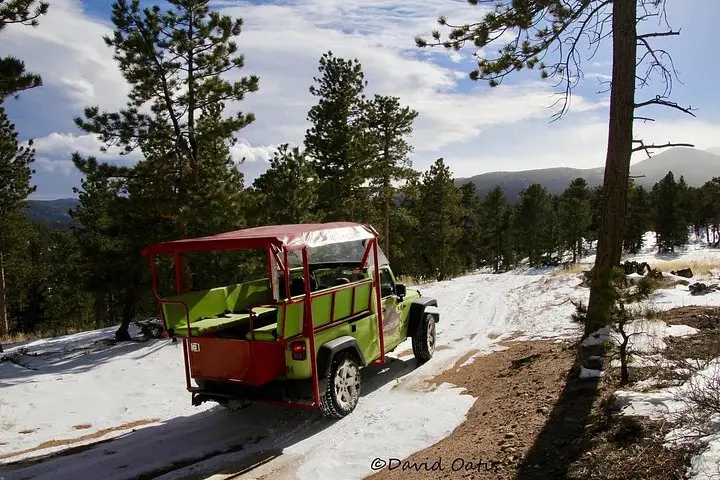
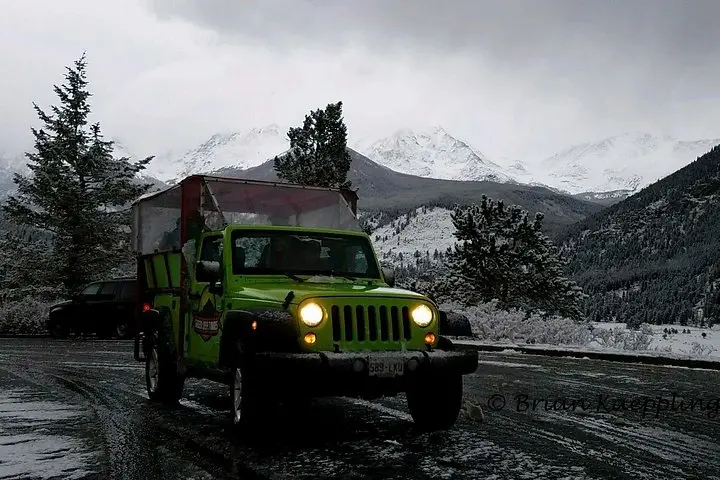
You step out onto the snow-scrubbed street of downtown Estes Park and the mountain air immediately narrows your breath. The guide's Green Jeep rumbles to life; windows frame pines dusted in powder and the distant serrated ridgeline of the Continental Divide. As the road climbs, meadows flatten into wide, frozen bowls and aspen groves stand bare like vertical maps of the seasons.
Verified experiences and guided adventures in the surrounding area.
Operated by Green Jeep Tours · Estes Park, Colorado
You step out onto the snow-scrubbed street of downtown Estes Park and the mountain air immediately narrows your breath. The guide's Green Jeep rumbles to life; windows frame pines dusted in powder and the distant serrated ridgeline of the Continental Divide. As the road climbs, meadows flatten into wide, frozen bowls and aspen groves stand bare like vertical maps of the seasons.
This guided winter safari follows routes through lower montane meadows, riparian corridors and, when open, the high alpine of Trail Ridge Road. Geologically the park is a collision zone: uplifted Precambrian rock and glacially carved valleys create abrupt elevation gains and panoramic basins. Culturally, Estes Park grew as a gateway town in the late 19th century for visitors seeking cooler summers; today it remains the primary base for access to the park.
Along the way your guide points out signs of winter ecology — animal tracks along riverbanks, ice-sculpted waterfalls, and stands of subalpine fir bracing for wind. Stops include accessible viewpoints, short interpretive walks, and, if conditions allow, sledding on gentle slopes.
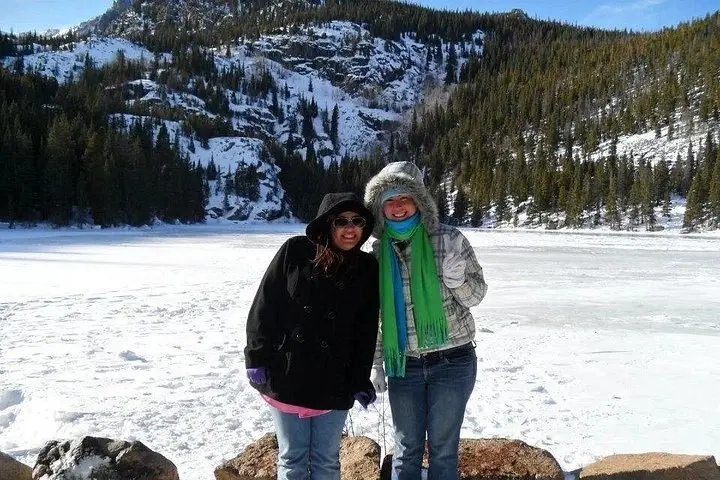
Practical notes: tours start at about 7,500 ft elevation; temperatures commonly drop 15–20°F above town. Dress in insulated layers, wear waterproof boots and bring water — altitude makes hydration and sun protection essential even in cold air. Expect a mix of easy, accessible boardwalks and short, uneven packed-snow hikes; the pace is steady but stops are frequent for photos and wildlife watching. If Trail Ridge Road is closed, guides reroute to lower, more sheltered corridors so the day remains scenic and safe.
Yes — the tour includes the park pass and any required timed-entry; you won’t need to purchase an additional pass for the duration of the tour.
Temperatures often run 15–20°F colder than Estes Park; wear insulated layers, waterproof boots, gloves, and a warm hat.
No — wildlife sightings depend on season and animal movements, though guides increase odds by visiting known feeding and river corridors.
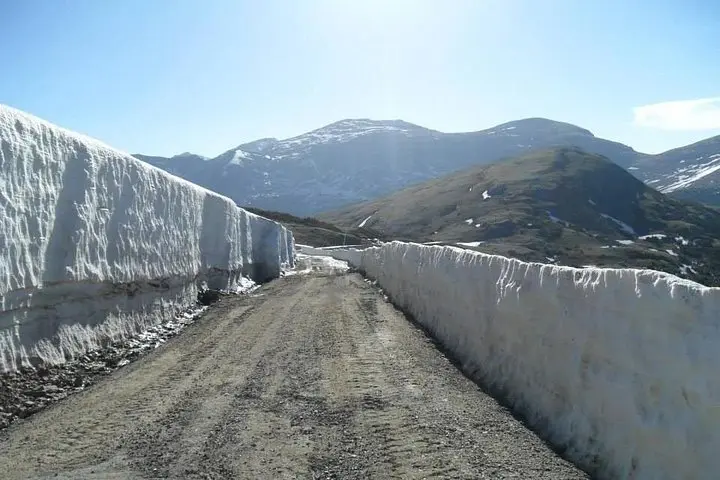
Trail Ridge Road is often closed in winter; if it’s closed the guide will substitute lower-elevation routes with comparable scenery and stops.
Green Jeep Tours operates guided outdoor trips and adventures with an emphasis on safety, stewardship, and memorable experiences.
You step out onto the snow-scrubbed street of downtown Estes Park and the mountain air immediately narrows your breath. The guide's Green Jeep rumbles to life; windows frame pines dusted in powder and the distant serrated ridgeline of the Continental Divide. As the road climbs, meadows flatten into wide, frozen bowls and aspen groves stand bare like vertical maps of the seasons.
You step out onto the snow-scrubbed street of downtown Estes Park and the mountain air immediately narrows your breath. The guide's Green Jeep rumbles to life; windows frame pines dusted in powder and the distant serrated ridgeline of the Continental Divide. As the road climbs, meadows flatten into wide, frozen bowls and aspen groves stand bare like vertical maps of the seasons.
This guided winter safari follows routes through lower montane meadows, riparian corridors and, when open, the high alpine of Trail Ridge Road. Geologically the park is a collision zone: uplifted Precambrian rock and glacially carved valleys create abrupt elevation gains and panoramic basins. Culturally, Estes Park grew as a gateway town in the late 19th century for visitors seeking cooler summers; today it remains the primary base for access to the park.
Along the way your guide points out signs of winter ecology — animal tracks along riverbanks, ice-sculpted waterfalls, and stands of subalpine fir bracing for wind. Stops include accessible viewpoints, short interpretive walks, and, if conditions allow, sledding on gentle slopes.
Practical notes: tours start at about 7,500 ft elevation; temperatures commonly drop 15–20°F above town. Dress in insulated layers, wear waterproof boots and bring water — altitude makes hydration and sun protection essential even in cold air. Expect a mix of easy, accessible boardwalks and short, uneven packed-snow hikes; the pace is steady but stops are frequent for photos and wildlife watching. If Trail Ridge Road is closed, guides reroute to lower, more sheltered corridors so the day remains scenic and safe.