THE ADVENTURE COLLECTIVE® · Independent discovery and booking for outdoor travel

A 17-day expedition from Bumthang to Trashiyangtse that follows an old trade route over Rodung La. Expect high passes (to ~4,160 m), remote campsites, village visits, and rich Bhutanese culture paired with sustained hiking.
A 17-day expedition from Bumthang to Trashiyangtse that follows an old trade route over Rodung La. Expect high passes (to ~4,160 m), remote campsites, village visits, and rich Bhutanese culture paired with sustained hiking.
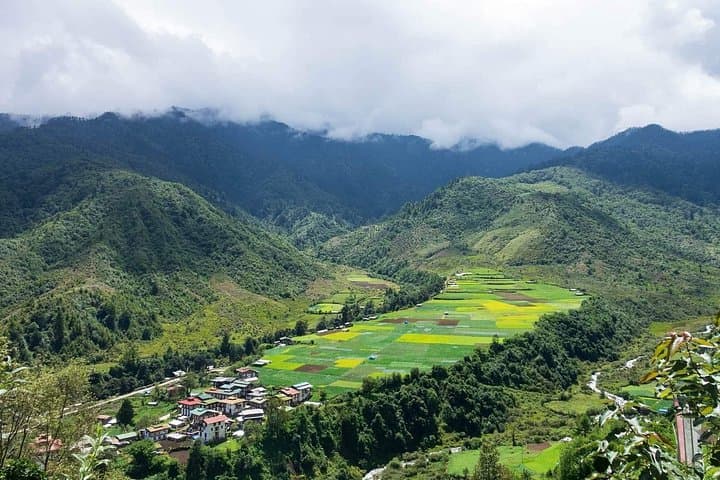
The first light hits a meadow at Phokpey and the valley exhales — prayer flags stir, horses stamp, and the Rodung La looms like a line of weathered teeth against the sky. You shoulder a daypack and step from Bhutan’s cultivated valleys into a chain of forests, meadows and high passes that still carry the old trade-road rhythm.
Verified experiences and guided adventures in the surrounding area.
Operated by Bhutan Acorn Tours and Travel · Bumthang, Bumthang District
The first light hits a meadow at Phokpey and the valley exhales — prayer flags stir, horses stamp, and the Rodung La looms like a line of weathered teeth against the sky. You shoulder a daypack and step from Bhutan’s cultivated valleys into a chain of forests, meadows and high passes that still carry the old trade-road rhythm.
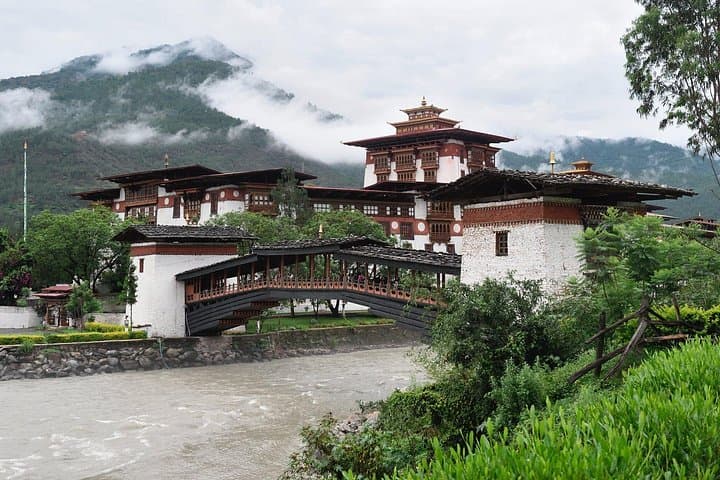
The route threads historic highlands: Bumthang’s monasteries and Yathra weaving houses give way to hemlock and rhododendron slopes, ancient grain stores and ruined watch posts. Geologically, you cross folded Himalaya ridgelines shaped by the collision of the Indian and Eurasian plates; the highest pass on this route, Rodung La, tops out around 4,160 m and offers views of glaciated summits and deep river gorges.
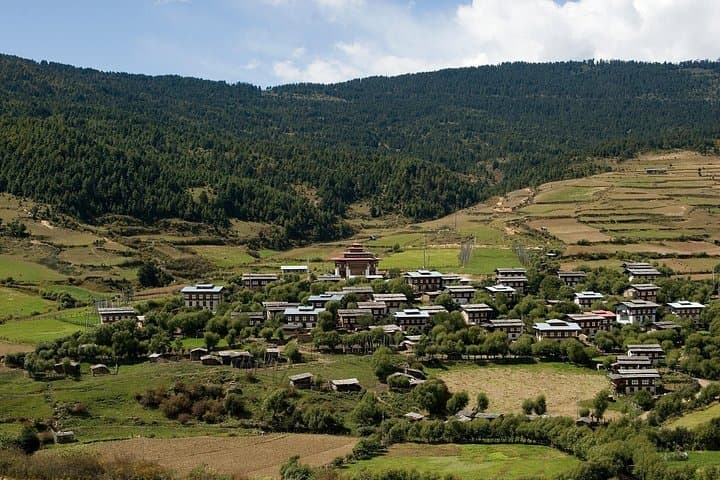
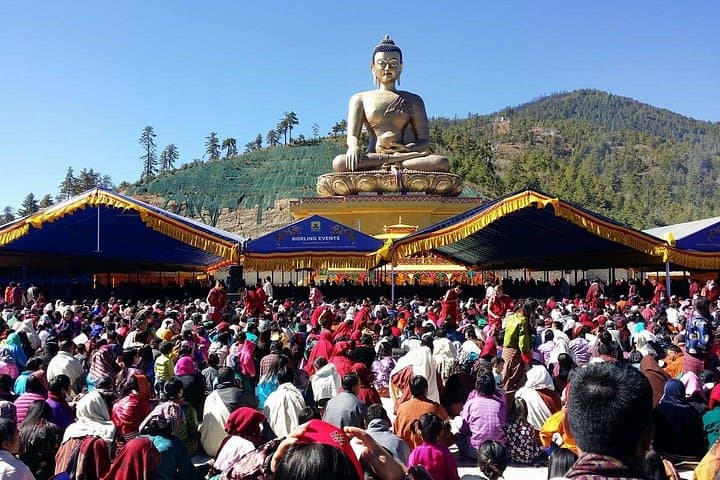
Culturally, villages like Khoma and Gangzur preserve paper-making, pottery and the silk Kishuthara weaving tradition; monasteries such as Tamzhing and Kurjey anchor the landscape with centuries-old rituals. Local guides will point out Mani walls and chortens, and you’ll see how yak and cow herders still move seasonally through alpine meadows.
Practical side: the trek is multi-day (about 7 full camping nights, 9 nights in simple hotels), with daily distances of 17–24 km and long hiking days of 6–9 hours including sustained climbs and steep descents. Expect bamboo and mixed forest trails, muddy sections in wet months, and cold nights above 3,000 m. Pack layered clothing, a sturdy pair of boots, a sleeping-bag liner (provided), and allow time to acclimatize. Book flights to Bhutan months ahead — e-visa processing takes about 4–5 business days — and be ready for remote conditions where guides, porters and ponies carry heavy loads so you can keep the walk focused and light.
No technical mountaineering skills are required, but experience with multi-day hikes, long ascents/descents and camping will help; fitness and good acclimatization are important.
The tour includes visa processing (e-Visa in about 4–5 business days) and one domestic flight (Yonphula to Paro on Day 15) as listed in the itinerary.
Main luggage is carried by porters and ponies; you need only a comfortable daypack. Camping is full-service for seven nights with cooked meals provided.
Spring (Mar–May) and fall (Sept–Nov) offer the best weather and visibility; monsoon months bring heavy rain and slippery trails.
Bhutan Acorn Tours and Travel operates guided outdoor trips and adventures with an emphasis on safety, stewardship, and memorable experiences.
The first light hits a meadow at Phokpey and the valley exhales — prayer flags stir, horses stamp, and the Rodung La looms like a line of weathered teeth against the sky. You shoulder a daypack and step from Bhutan’s cultivated valleys into a chain of forests, meadows and high passes that still carry the old trade-road rhythm.
The first light hits a meadow at Phokpey and the valley exhales — prayer flags stir, horses stamp, and the Rodung La looms like a line of weathered teeth against the sky. You shoulder a daypack and step from Bhutan’s cultivated valleys into a chain of forests, meadows and high passes that still carry the old trade-road rhythm.
The route threads historic highlands: Bumthang’s monasteries and Yathra weaving houses give way to hemlock and rhododendron slopes, ancient grain stores and ruined watch posts. Geologically, you cross folded Himalaya ridgelines shaped by the collision of the Indian and Eurasian plates; the highest pass on this route, Rodung La, tops out around 4,160 m and offers views of glaciated summits and deep river gorges.
Culturally, villages like Khoma and Gangzur preserve paper-making, pottery and the silk Kishuthara weaving tradition; monasteries such as Tamzhing and Kurjey anchor the landscape with centuries-old rituals. Local guides will point out Mani walls and chortens, and you’ll see how yak and cow herders still move seasonally through alpine meadows.
Practical side: the trek is multi-day (about 7 full camping nights, 9 nights in simple hotels), with daily distances of 17–24 km and long hiking days of 6–9 hours including sustained climbs and steep descents. Expect bamboo and mixed forest trails, muddy sections in wet months, and cold nights above 3,000 m. Pack layered clothing, a sturdy pair of boots, a sleeping-bag liner (provided), and allow time to acclimatize. Book flights to Bhutan months ahead — e-visa processing takes about 4–5 business days — and be ready for remote conditions where guides, porters and ponies carry heavy loads so you can keep the walk focused and light.