THE ADVENTURE COLLECTIVE® · Independent discovery and booking for outdoor travel

Ride Southern Oregon’s most approachable whitewater on the Rogue Valley Rapid Run—easy riffles that build to Nugget and Powerhouse, two lively drops that bring the cheers. With transportation, gear, and veteran guides included, this half-day adventure pairs family-friendly thrills with Rogue River scenery and history.
Ride Southern Oregon’s most approachable whitewater on the Rogue Valley Rapid Run—easy riffles that build to Nugget and Powerhouse, two lively drops that bring the cheers. With transportation, gear, and veteran guides included, this half-day adventure pairs family-friendly thrills with Rogue River scenery and history.
The Rogue wakes early, shouldering past polished boulders with a pushy confidence that dares you to lean in. By the time the shuttle rolls out from Phoenix, Oregon, the valley has shaken off its morning chill and the river is fully awake—green, muscular, and moving. Guides run through paddle strokes in the gravel lot: forward, back, high-side. Helmets click, PFDs snug, and then it’s all glide—rafts sliding into current that immediately goes to work, nudging bows downstream like a firm hand on the shoulder.
Verified experiences and guided adventures in the surrounding area.
Operated by Indigo Creek Outfitters · Phoenix, Oregon
The Rogue wakes early, shouldering past polished boulders with a pushy confidence that dares you to lean in. By the time the shuttle rolls out from Phoenix, Oregon, the valley has shaken off its morning chill and the river is fully awake—green, muscular, and moving. Guides run through paddle strokes in the gravel lot: forward, back, high-side. Helmets click, PFDs snug, and then it’s all glide—rafts sliding into current that immediately goes to work, nudging bows downstream like a firm hand on the shoulder.
This half-day run is the Rogue River at its most approachable: a steady progression of splashy Class II leading to two marquee drops that get the heart rate up without tipping into chaos. The stretch often referred to as Nugget–Powerhouse sits just outside the Rogue Valley’s orchards and wine country, where andesite and basalt shoulders funnel the river into clean wave trains. First-time rafters find confidence as the boat threads gentle riffles and eddies. Families watch osprey dive with surgical precision, and sometimes a river otter surfaces, whiskers bristling, before vanishing in a curl of silver.
History rides the current here. For the Takelma people, the nearby falls—Ti’lomikh—were a seasonal gathering place for salmon ceremonies long before prospectors chased gold through these canyons. More recently, the removal of Gold Ray Dam restored the river’s natural gradient, revealing playfully muscular features that paddlers now read like a language—V-shaped tongues, feathering seams, and that insistent pull toward the main flow.
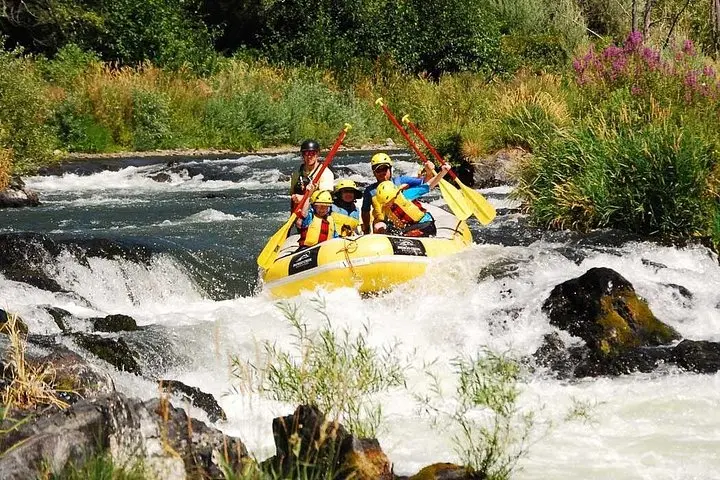
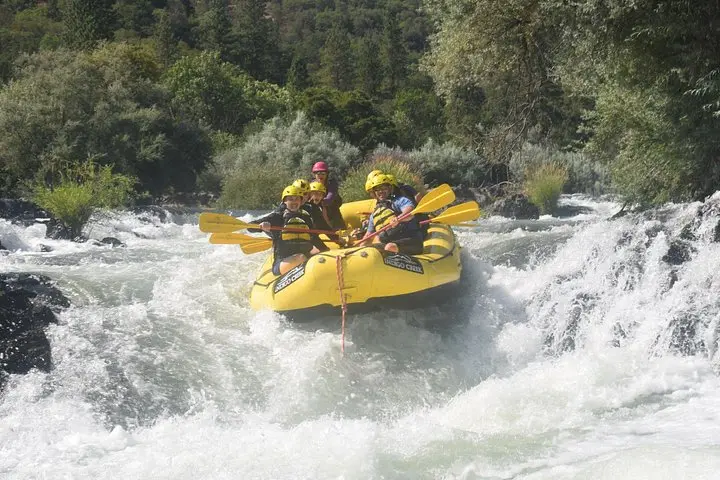
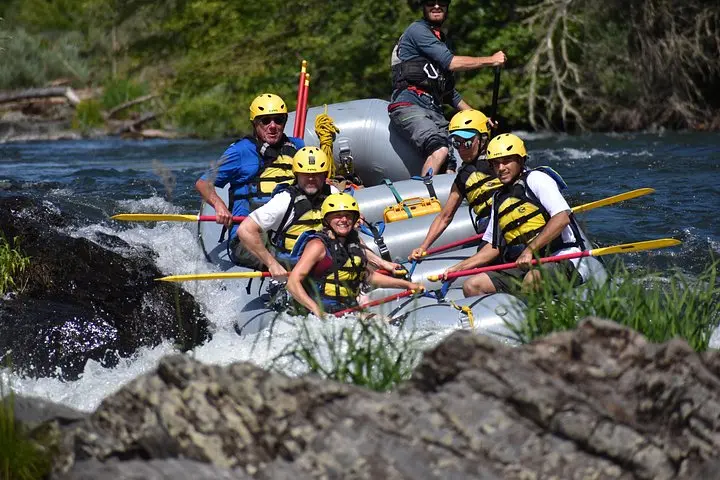
Expect 4–6 miles on the water, roughly three to four hours dock-to-dock, depending on water levels. Summer flows—regulated by releases from Lost Creek Lake—keep things reliable and fun. The finale serves up the goods: Nugget Falls builds in steps to a clean, bouncy chute; Powerhouse Rapid follows with a punchier, technical line through breaking waves and laterals. Guides scout as needed and set clear commands. Nervous paddlers can often walk around the biggest drops while the more eager riders square up and drive their blades, T-grips locked, into the froth.
Practicalities are handled: transportation to and from the river, all technical gear, and guides who know every tongue, hole, and eddy by name. Water here is cold even in August; dress for the swim you won’t plan to take. Stash a dry change in the shuttle, and don’t forget sun protection—Oregon’s UV sneaks up fast when the canyon walls open.
Back at the takeout, the Rogue eases off, like a host seeing you to the door. You step onto sun-warm gravel with wet cuffs and a grin that sticks. For families with kids eight and up and mixed-experience groups, this is the Rogue’s handshake—firm, friendly, and unforgettable.
Plan on 3–4 hours total with 4–6 miles on the river, depending on flows and group pace.
Kids must be at least 8 years old, making this a popular outing for families.
No. The route starts with easy water to practice strokes before tackling the larger Class III/IV drops with your guide.
Wear quick-dry layers and secure footwear. Sunscreen and a water bottle are smart; guides provide PFDs, helmets, splash gear, and transportation.
Yes. Depending on conditions, nervous paddlers can often walk around Nugget or Powerhouse while the raft runs the line.
Late spring through early fall offers reliable flows and warm air temps; summer sees the most consistent daily releases.
Indigo Creek Outfitters operates guided outdoor trips and adventures with an emphasis on safety, stewardship, and memorable experiences.
The Rogue wakes early, shouldering past polished boulders with a pushy confidence that dares you to lean in. By the time the shuttle rolls out from Phoenix, Oregon, the valley has shaken off its morning chill and the river is fully awake—green, muscular, and moving. Guides run through paddle strokes in the gravel lot: forward, back, high-side. Helmets click, PFDs snug, and then it’s all glide—rafts sliding into current that immediately goes to work, nudging bows downstream like a firm hand on the shoulder.
The Rogue wakes early, shouldering past polished boulders with a pushy confidence that dares you to lean in. By the time the shuttle rolls out from Phoenix, Oregon, the valley has shaken off its morning chill and the river is fully awake—green, muscular, and moving. Guides run through paddle strokes in the gravel lot: forward, back, high-side. Helmets click, PFDs snug, and then it’s all glide—rafts sliding into current that immediately goes to work, nudging bows downstream like a firm hand on the shoulder.
This half-day run is the Rogue River at its most approachable: a steady progression of splashy Class II leading to two marquee drops that get the heart rate up without tipping into chaos. The stretch often referred to as Nugget–Powerhouse sits just outside the Rogue Valley’s orchards and wine country, where andesite and basalt shoulders funnel the river into clean wave trains. First-time rafters find confidence as the boat threads gentle riffles and eddies. Families watch osprey dive with surgical precision, and sometimes a river otter surfaces, whiskers bristling, before vanishing in a curl of silver.
History rides the current here. For the Takelma people, the nearby falls—Ti’lomikh—were a seasonal gathering place for salmon ceremonies long before prospectors chased gold through these canyons. More recently, the removal of Gold Ray Dam restored the river’s natural gradient, revealing playfully muscular features that paddlers now read like a language—V-shaped tongues, feathering seams, and that insistent pull toward the main flow.
Expect 4–6 miles on the water, roughly three to four hours dock-to-dock, depending on water levels. Summer flows—regulated by releases from Lost Creek Lake—keep things reliable and fun. The finale serves up the goods: Nugget Falls builds in steps to a clean, bouncy chute; Powerhouse Rapid follows with a punchier, technical line through breaking waves and laterals. Guides scout as needed and set clear commands. Nervous paddlers can often walk around the biggest drops while the more eager riders square up and drive their blades, T-grips locked, into the froth.
Practicalities are handled: transportation to and from the river, all technical gear, and guides who know every tongue, hole, and eddy by name. Water here is cold even in August; dress for the swim you won’t plan to take. Stash a dry change in the shuttle, and don’t forget sun protection—Oregon’s UV sneaks up fast when the canyon walls open.
Back at the takeout, the Rogue eases off, like a host seeing you to the door. You step onto sun-warm gravel with wet cuffs and a grin that sticks. For families with kids eight and up and mixed-experience groups, this is the Rogue’s handshake—firm, friendly, and unforgettable.