THE ADVENTURE COLLECTIVE® · Independent discovery and booking for outdoor travel

Explore 100 never-exhibited 1963 photographs of The Rolling Stones by Gus Coral at Dockside Vaults, London. This intimate exhibition includes a house drink and timed entry—ideal for music fans who want a close-up look at the band’s early touring life.
Explore 100 never-exhibited 1963 photographs of The Rolling Stones by Gus Coral at Dockside Vaults, London. This intimate exhibition includes a house drink and timed entry—ideal for music fans who want a close-up look at the band’s early touring life.
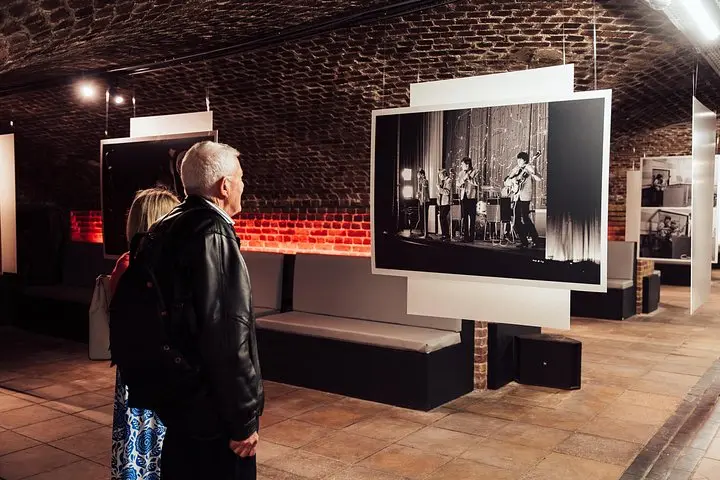
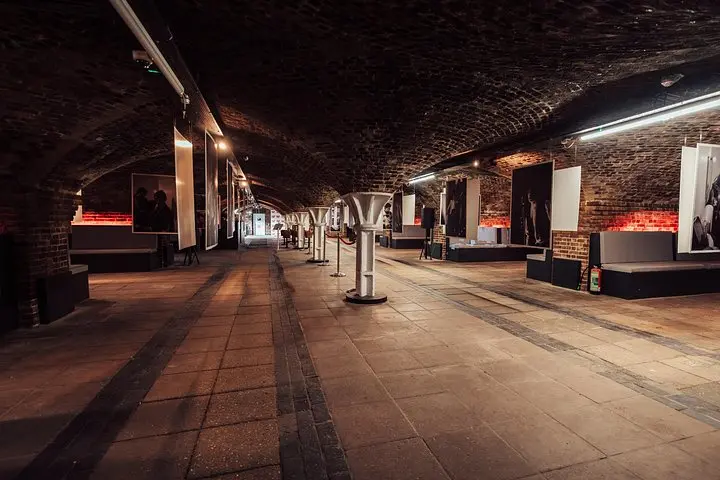
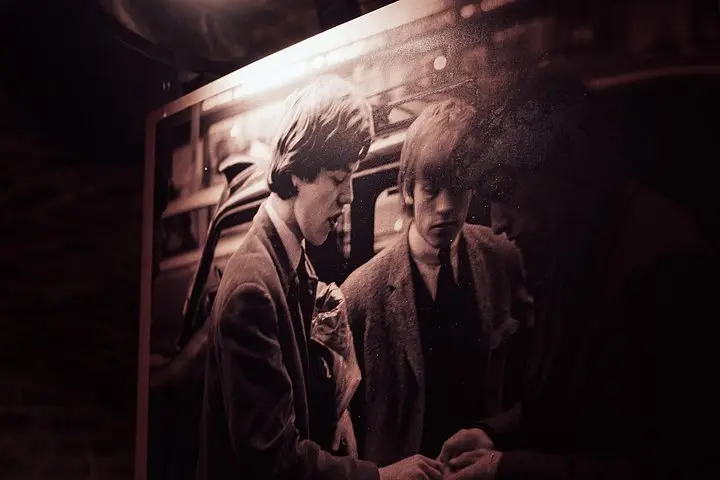
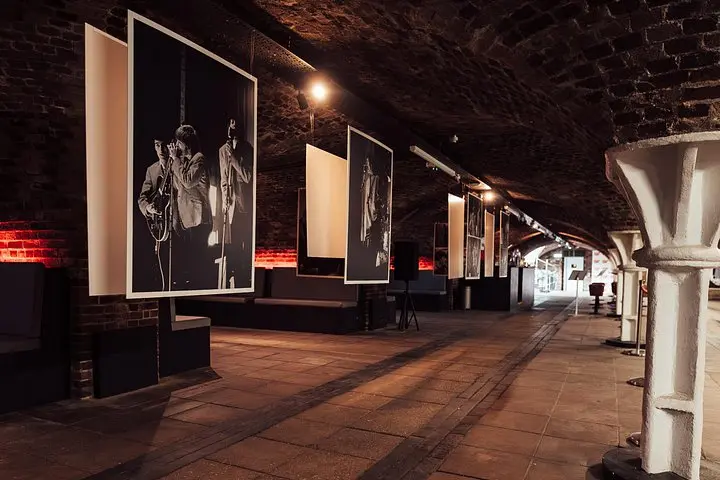
You step through the low brick arch of Dockside Vaults and the city’s clatter falls away, replaced by a pulse of old amplifier hum and shutter clicks. The room holds 100 never-before-seen 1963 photos by Gus Coral: raw stage frames, off‑stage faces, and the band’s early motion caught in grainy, urgent light.
Verified experiences and guided adventures in the surrounding area.
Operated by Rolling Stones Unseen · London, England
You step through the low brick arch of Dockside Vaults and the city’s clatter falls away, replaced by a pulse of old amplifier hum and shutter clicks. The room holds 100 never-before-seen 1963 photos by Gus Coral: raw stage frames, off‑stage faces, and the band’s early motion caught in grainy, urgent light.
The images arrive with context — Britain on the cusp of the Swinging Sixties, venues converted from industrial warehouses, and a music scene that fed off narrow streets and late trains. Dockside Vaults itself occupies a converted riverside storehouse in east London, a space whose brick and beam recall the docks’ industrial geology: reclaimed timber, ironwork, and the silted history of the Thames lining the city’s edge.
Culturally, the show isolates a formative moment for Jagger, Richards, Watts, Jones, and Wyman: small stages, guest spots with US rhythm and blues acts, and the frenetic touring that hardened their sound. Gus Coral’s negatives are conserved and displayed to preserve tonal detail, so lighting and camera policies are strict—these are archival prints, not blockbuster installations.
Practical guidance: tickets include one house beer, wine, or soft drink and timed entry windows so plan a 60–240 minute visit. The venue is wheelchair accessible and close to public transport; arrive 10–15 minutes early to pick up tickets and enjoy the welcome drink. Photography may be limited to non‑flash snapshots, and bags may be subject to checks. For a focused visit, allow an hour; for slower study of contact sheets and captions, plan up to four. This exhibition suits music fans and cultural travelers seeking an intimate look at rock history without the crowds of larger museums.
Yes — each ticket includes one house beer, wine, or soft drink served on arrival as noted in the inclusions.
Yes — Dockside Vaults and the exhibition spaces are wheelchair accessible with step‑free access and accessible surfaces.
Photography rules vary to protect archival prints; non‑flash photography is often allowed but follow onsite signage and staff instructions.
Full refunds are available if you cancel at least 24 hours before the scheduled visit; same‑day cancellations are non‑refundable per the standard policy.
Rolling Stones Unseen operates guided outdoor trips and adventures with an emphasis on safety, stewardship, and memorable experiences.
You step through the low brick arch of Dockside Vaults and the city’s clatter falls away, replaced by a pulse of old amplifier hum and shutter clicks. The room holds 100 never-before-seen 1963 photos by Gus Coral: raw stage frames, off‑stage faces, and the band’s early motion caught in grainy, urgent light.
You step through the low brick arch of Dockside Vaults and the city’s clatter falls away, replaced by a pulse of old amplifier hum and shutter clicks. The room holds 100 never-before-seen 1963 photos by Gus Coral: raw stage frames, off‑stage faces, and the band’s early motion caught in grainy, urgent light.
The images arrive with context — Britain on the cusp of the Swinging Sixties, venues converted from industrial warehouses, and a music scene that fed off narrow streets and late trains. Dockside Vaults itself occupies a converted riverside storehouse in east London, a space whose brick and beam recall the docks’ industrial geology: reclaimed timber, ironwork, and the silted history of the Thames lining the city’s edge.
Culturally, the show isolates a formative moment for Jagger, Richards, Watts, Jones, and Wyman: small stages, guest spots with US rhythm and blues acts, and the frenetic touring that hardened their sound. Gus Coral’s negatives are conserved and displayed to preserve tonal detail, so lighting and camera policies are strict—these are archival prints, not blockbuster installations.
Practical guidance: tickets include one house beer, wine, or soft drink and timed entry windows so plan a 60–240 minute visit. The venue is wheelchair accessible and close to public transport; arrive 10–15 minutes early to pick up tickets and enjoy the welcome drink. Photography may be limited to non‑flash snapshots, and bags may be subject to checks. For a focused visit, allow an hour; for slower study of contact sheets and captions, plan up to four. This exhibition suits music fans and cultural travelers seeking an intimate look at rock history without the crowds of larger museums.