THE ADVENTURE COLLECTIVE® · Independent discovery and booking for outdoor travel

Walk two hours through Bath’s Roman and Georgian core with a local guide who brings the city’s hot springs, museums and crescents to life. Expect cobbles, concise history, and an optional entry into the Roman Baths.
Walk two hours through Bath’s Roman and Georgian core with a local guide who brings the city’s hot springs, museums and crescents to life. Expect cobbles, concise history, and an optional entry into the Roman Baths.
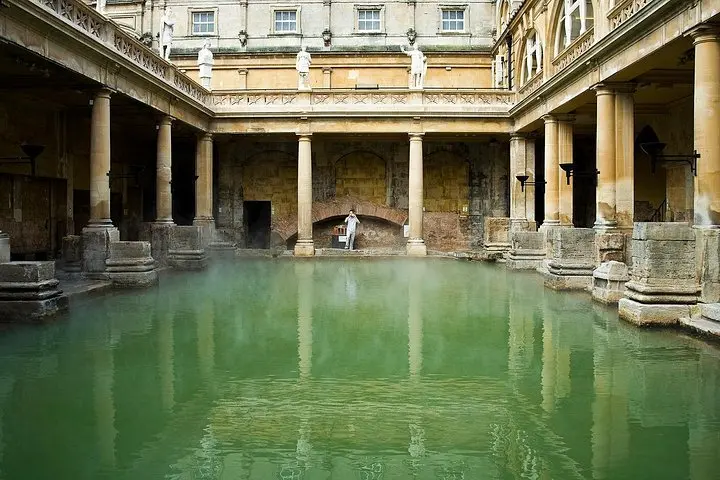
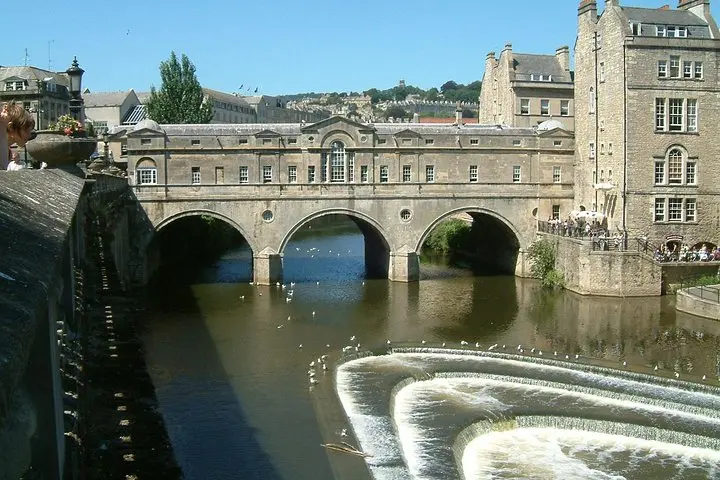
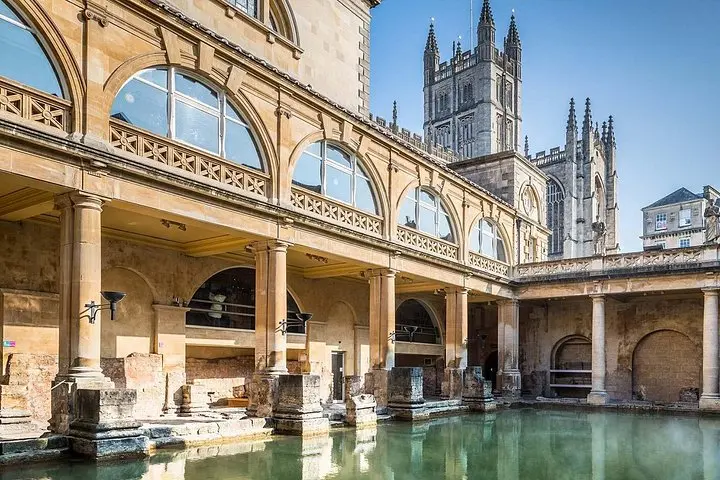
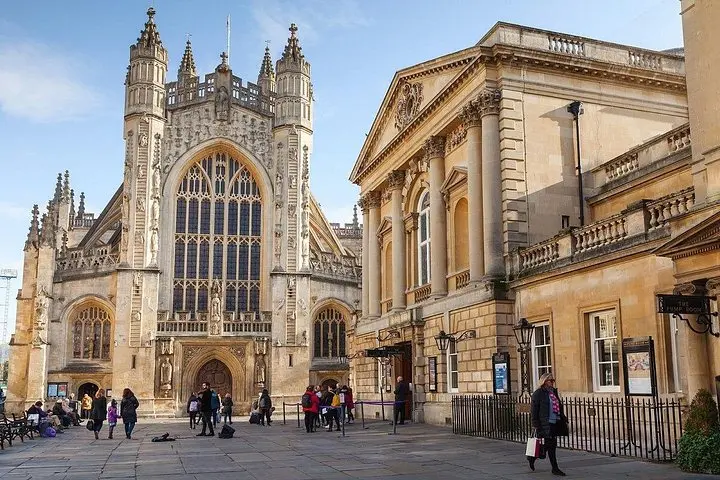
A drizzle softens the honey-coloured facades as a small group gathers beneath the flying buttresses of Bath Abbey. The guide checks names, and the city opens like a map of time: the river whispers past Pulteney Bridge, steam rises faintly from the hot spring, and cobbled streets funnel the tour toward the Roman Baths.
Verified experiences and guided adventures in the surrounding area.
Operated by Footprints Tours Limited · Bath, Somerset
A drizzle softens the honey-coloured facades as a small group gathers beneath the flying buttresses of Bath Abbey. The guide checks names, and the city opens like a map of time: the river whispers past Pulteney Bridge, steam rises faintly from the hot spring, and cobbled streets funnel the tour toward the Roman Baths.
This two‑hour walk threads Roman, medieval and Georgian layers into a compact route. The Romans built Aquae Sulis around the warm spring—believed to be sacred to Sulis Minerva—and left bronzes, altars and bath structures that survive in the museum. Centuries later, 18th‑century architects like John Wood reshaped Bath with Bath stone into grand crescents and the Circus, an expression of Georgian civic pride. Geologically, the thermal water emerges through limestone and fault lines at roughly 46°C, a constant reminder of subterranean heat beneath an urbane surface.
Along the way the guide balances dates with anecdotes—pump room rituals, Jane Austen’s evenings, and the city’s UNESCO designation—while pointing out details you might miss on your own: carved keystones, Georgian doorways, and the way light hits the Royal Crescent at golden hour.
Practicalities are simple but practical: plan for uneven cobbles and short staircases inside the Baths, bring a waterproof layer, and allow two hours. The tour meets at Bath Abbey, accepts mobile tickets, and runs with groups up to 15. For a concise, richly informed introduction to Bath’s history and architecture, this guided walk is efficient, engaging, and firmly rooted in place.
Some tour options include entry to the Roman Baths museum; check your booking and select the option that specifically lists inside access.
The route covers central Bath sites over approximately 1–1.5 miles and lasts about two hours.
The tour is advertised as wheelchair accessible, but access inside the Roman Baths has steps and some restricted areas; contact the operator if full accessibility is required.
Yes—children can join but must be accompanied by an adult; pace and content are family‑friendly but expect some museum areas that require supervision.
Footprints Tours Limited operates guided outdoor trips and adventures with an emphasis on safety, stewardship, and memorable experiences.
A drizzle softens the honey-coloured facades as a small group gathers beneath the flying buttresses of Bath Abbey. The guide checks names, and the city opens like a map of time: the river whispers past Pulteney Bridge, steam rises faintly from the hot spring, and cobbled streets funnel the tour toward the Roman Baths.
A drizzle softens the honey-coloured facades as a small group gathers beneath the flying buttresses of Bath Abbey. The guide checks names, and the city opens like a map of time: the river whispers past Pulteney Bridge, steam rises faintly from the hot spring, and cobbled streets funnel the tour toward the Roman Baths.
This two‑hour walk threads Roman, medieval and Georgian layers into a compact route. The Romans built Aquae Sulis around the warm spring—believed to be sacred to Sulis Minerva—and left bronzes, altars and bath structures that survive in the museum. Centuries later, 18th‑century architects like John Wood reshaped Bath with Bath stone into grand crescents and the Circus, an expression of Georgian civic pride. Geologically, the thermal water emerges through limestone and fault lines at roughly 46°C, a constant reminder of subterranean heat beneath an urbane surface.
Along the way the guide balances dates with anecdotes—pump room rituals, Jane Austen’s evenings, and the city’s UNESCO designation—while pointing out details you might miss on your own: carved keystones, Georgian doorways, and the way light hits the Royal Crescent at golden hour.
Practicalities are simple but practical: plan for uneven cobbles and short staircases inside the Baths, bring a waterproof layer, and allow two hours. The tour meets at Bath Abbey, accepts mobile tickets, and runs with groups up to 15. For a concise, richly informed introduction to Bath’s history and architecture, this guided walk is efficient, engaging, and firmly rooted in place.