THE ADVENTURE COLLECTIVE® · Independent discovery and booking for outdoor travel

Walk where emperors once walked. This self-guided urban quest in Plovdiv combines a 2.5 km puzzle route with 16 riddles that reveal the city’s Roman past—ideal for curious travelers who prefer exploration over guided crowds.
Walk where emperors once walked. This self-guided urban quest in Plovdiv combines a 2.5 km puzzle route with 16 riddles that reveal the city’s Roman past—ideal for curious travelers who prefer exploration over guided crowds.
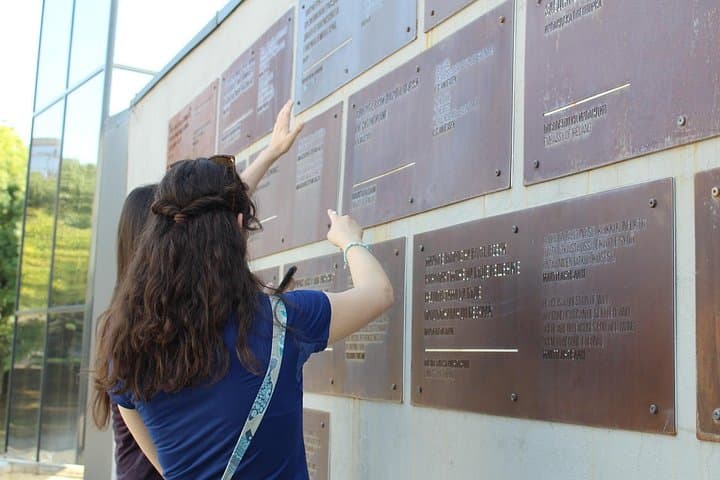
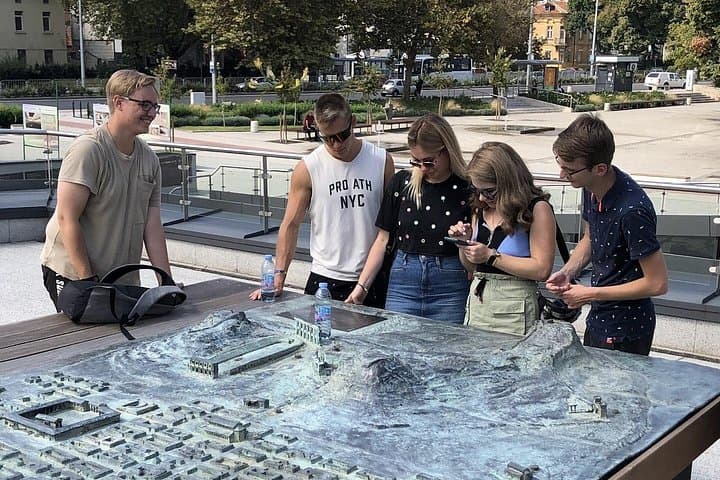
You step off a modern tram and the city changes beneath your feet: narrow streets give way to wide Roman paving, stone tiers rise like an audience frozen mid-applause, and the air carries the faint dust of antiquity. The urban quest threads 2.5 km through Plovdiv’s compact center, asking you to read inscriptions, solve 16 riddles, and move like a curious magistrate through Philippopolis.
Verified experiences and guided adventures in the surrounding area.
Operated by Vutreshen Glas · Plovdiv, Plovdiv Province
You step off a modern tram and the city changes beneath your feet: narrow streets give way to wide Roman paving, stone tiers rise like an audience frozen mid-applause, and the air carries the faint dust of antiquity. The urban quest threads 2.5 km through Plovdiv’s compact center, asking you to read inscriptions, solve 16 riddles, and move like a curious magistrate through Philippopolis.
Plovdiv’s Roman layer sits atop Thracian and Byzantine foundations. The tour visits tile-lined forums, a partially intact stadium and open-air theatre — structures built on limestone karst that the city’s builders carved and adapted. Culture here is tactile: café life spills into the streets, and the Kapana arts quarter hums nearby, a useful stop after the game for food and local crafts.
Expect cobbles, short stair sections and frequent stops to read context in the web-based platform. The experience is self-paced; the riddles unlock historical facts about civic life, entertainment and religion under Roman rule. It’s both an educational walk and a puzzle run: bring a charged phone and comfortable shoes.
Practical notes: allow 2–3 hours, start mid-morning to avoid crowds at the theatre, and use public transit or walk from central Plovdiv. Keep water and light layers—spring and autumn can shift quickly—and be prepared for uneven surfaces and brief climbs to viewpoints. Respect signs at archaeological sites; many ruins are protected and require staying on marked paths. This urban quest suits travelers who want history active in their hands rather than recited from a guidebook.
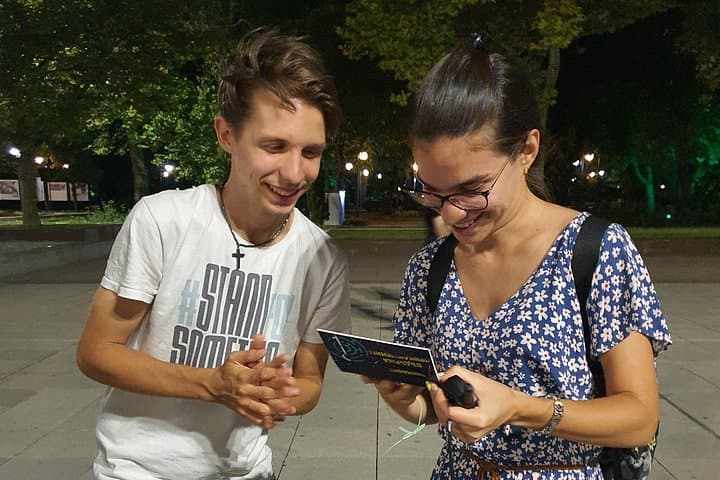
It’s fully self-guided: you use a web-based platform to solve riddles and navigate between 16 sites at your own pace.
The experience is offered in English and Bulgarian according to the operator; check booking details for current language options.
Much of the historic center has cobblestones and steps; some sites are not fully wheelchair-accessible—contact the operator for specific accessibility information.
Full refund if canceled at least 24 hours before the scheduled start; cancellations within 24 hours are non-refundable.
Vutreshen Glas operates guided outdoor trips and adventures with an emphasis on safety, stewardship, and memorable experiences.

You step off a modern tram and the city changes beneath your feet: narrow streets give way to wide Roman paving, stone tiers rise like an audience frozen mid-applause, and the air carries the faint dust of antiquity. The urban quest threads 2.5 km through Plovdiv’s compact center, asking you to read inscriptions, solve 16 riddles, and move like a curious magistrate through Philippopolis.
You step off a modern tram and the city changes beneath your feet: narrow streets give way to wide Roman paving, stone tiers rise like an audience frozen mid-applause, and the air carries the faint dust of antiquity. The urban quest threads 2.5 km through Plovdiv’s compact center, asking you to read inscriptions, solve 16 riddles, and move like a curious magistrate through Philippopolis.
Plovdiv’s Roman layer sits atop Thracian and Byzantine foundations. The tour visits tile-lined forums, a partially intact stadium and open-air theatre — structures built on limestone karst that the city’s builders carved and adapted. Culture here is tactile: café life spills into the streets, and the Kapana arts quarter hums nearby, a useful stop after the game for food and local crafts.
Expect cobbles, short stair sections and frequent stops to read context in the web-based platform. The experience is self-paced; the riddles unlock historical facts about civic life, entertainment and religion under Roman rule. It’s both an educational walk and a puzzle run: bring a charged phone and comfortable shoes.
Practical notes: allow 2–3 hours, start mid-morning to avoid crowds at the theatre, and use public transit or walk from central Plovdiv. Keep water and light layers—spring and autumn can shift quickly—and be prepared for uneven surfaces and brief climbs to viewpoints. Respect signs at archaeological sites; many ruins are protected and require staying on marked paths. This urban quest suits travelers who want history active in their hands rather than recited from a guidebook.