THE ADVENTURE COLLECTIVE® · Independent discovery and booking for outdoor travel

Explore Likasi’s romantic corners on a two-hour walking tour that pairs historic railway stations with local love stories. Ideal for couples or curious travelers, the route mixes civic history, mining landscapes and photo-ready viewpoints.
Explore Likasi’s romantic corners on a two-hour walking tour that pairs historic railway stations with local love stories. Ideal for couples or curious travelers, the route mixes civic history, mining landscapes and photo-ready viewpoints.
Morning light strips the city into sharp blocks of color as couples and curious visitors step onto Likasi’s broad sidewalks. The tour moves at a walking pace—two hours of streets, small parks and the long, elegant platforms of the city’s railway stations, where iron rails and waiting rooms still hold the patience of previous eras.
Verified experiences and guided adventures in the surrounding area.
Operated by Opatrip.com Congo · Likasi, Haut-Katanga
Morning light strips the city into sharp blocks of color as couples and curious visitors step onto Likasi’s broad sidewalks. The tour moves at a walking pace—two hours of streets, small parks and the long, elegant platforms of the city’s railway stations, where iron rails and waiting rooms still hold the patience of previous eras.
Likasi (historically Jadotville/Jadotstad) grew around mining and the rail lines that carried ore through the Katanga region. The geology here is part of the Copperbelt—rock and soil that built a town from mineral wealth, and a public life shaped around shift schedules, markets and transiting trains.
A local guide threads anecdotes about historic romances, miners’ rivalries and the city’s multilingual character. Stops typically include a central station with preserved elements of colonial-era architecture, a small park where courting couples meet, and vantage points that overlook mine shafts and hard-scrub hills beyond the urban edge.
Practical guidance: the route is flat and urban—expect 2–3 kilometers of easy walking across paved streets with occasional uneven slabs. Wear supportive shoes, bring cash for small purchases and a charged phone for photos; shade is limited midday. Morning or late afternoon offers the most comfortable temperatures and the best light for photography.
Respect private property and mining boundaries—guides will route you to safe viewpoints. The experience blends civic history, industrial landscape and local folklore: it’s compact, approachable and rich in human stories that reveal how place and profession shape romance.
The guided tour lasts about two hours and covers roughly 2–3 kilometers of mostly flat, urban walking.
Yes—this is an easy, low-impact walking tour, but participants with mobility issues should check accessibility at specific stops before booking.
Local guides often speak French and Swahili; ask the operator in advance for guide language preferences or special requests.
No—active and restricted mining areas are not visited; the route focuses on safe public viewpoints and city heritage sites.
Opatrip.com Congo operates guided outdoor trips and adventures with an emphasis on safety, stewardship, and memorable experiences.
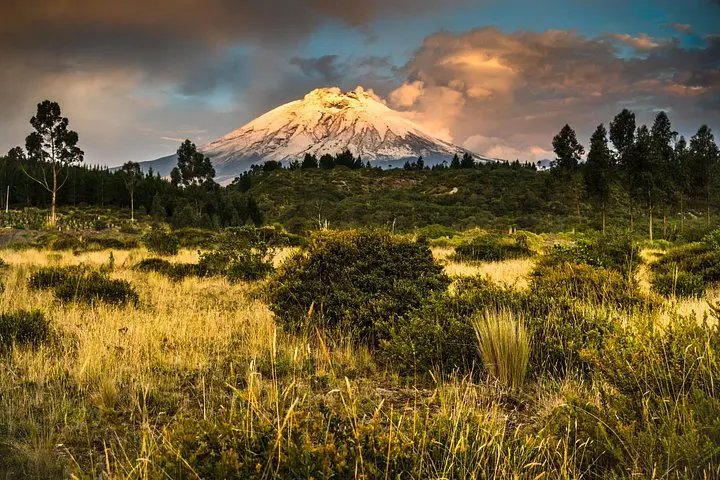

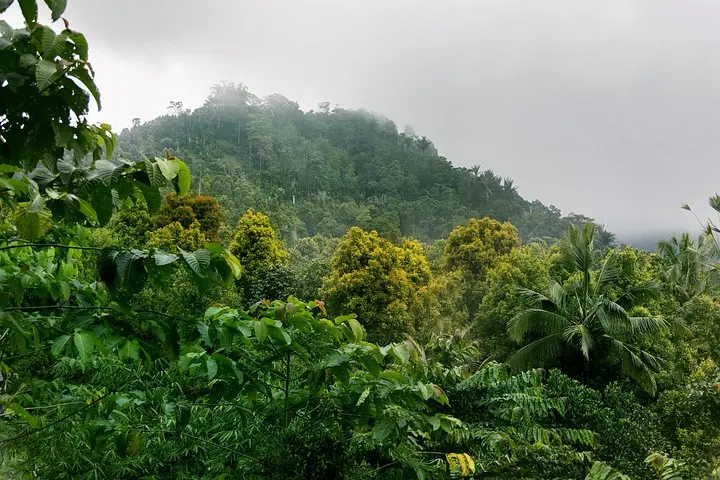
Morning light strips the city into sharp blocks of color as couples and curious visitors step onto Likasi’s broad sidewalks. The tour moves at a walking pace—two hours of streets, small parks and the long, elegant platforms of the city’s railway stations, where iron rails and waiting rooms still hold the patience of previous eras.
Morning light strips the city into sharp blocks of color as couples and curious visitors step onto Likasi’s broad sidewalks. The tour moves at a walking pace—two hours of streets, small parks and the long, elegant platforms of the city’s railway stations, where iron rails and waiting rooms still hold the patience of previous eras.
Likasi (historically Jadotville/Jadotstad) grew around mining and the rail lines that carried ore through the Katanga region. The geology here is part of the Copperbelt—rock and soil that built a town from mineral wealth, and a public life shaped around shift schedules, markets and transiting trains.
A local guide threads anecdotes about historic romances, miners’ rivalries and the city’s multilingual character. Stops typically include a central station with preserved elements of colonial-era architecture, a small park where courting couples meet, and vantage points that overlook mine shafts and hard-scrub hills beyond the urban edge.
Practical guidance: the route is flat and urban—expect 2–3 kilometers of easy walking across paved streets with occasional uneven slabs. Wear supportive shoes, bring cash for small purchases and a charged phone for photos; shade is limited midday. Morning or late afternoon offers the most comfortable temperatures and the best light for photography.
Respect private property and mining boundaries—guides will route you to safe viewpoints. The experience blends civic history, industrial landscape and local folklore: it’s compact, approachable and rich in human stories that reveal how place and profession shape romance.