THE ADVENTURE COLLECTIVE® · Independent discovery and booking for outdoor travel
Taste Rome through its backstreets: a 2.5‑hour walking tour that pairs supplì, pinsa and tiramisù with stories of piazzas, arches and little‑known city corners. Perfect for curious travelers who want flavors and context in one easy route.
Taste Rome through its backstreets: a 2.5‑hour walking tour that pairs supplì, pinsa and tiramisù with stories of piazzas, arches and little‑known city corners. Perfect for curious travelers who want flavors and context in one easy route.
A morning in Rome begins with sun hitting a travertine fountain and the guide leading a small group down a lane that smells of espresso and warm dough. The tour moves at a pedestrian rhythm—stopping at tiny bakeries, ducking through medieval alleys and lingering by baroque fountains—each pause a chance to taste a local specialty and hear the story behind it.
Verified experiences and guided adventures in the surrounding area.
Operated by That's All Local · Rome, Lazio
A morning in Rome begins with sun hitting a travertine fountain and the guide leading a small group down a lane that smells of espresso and warm dough. The tour moves at a pedestrian rhythm—stopping at tiny bakeries, ducking through medieval alleys and lingering by baroque fountains—each pause a chance to taste a local specialty and hear the story behind it.
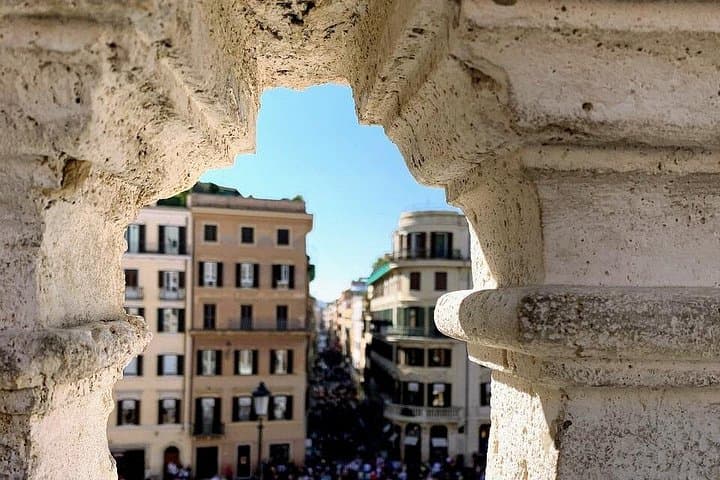
The route threads through layers of history. Renaissance piazzas rise over ancient Roman streets; medieval inscriptions rub shoulders with 19th‑century graffiti. Geology is visible in the buildings themselves—travertine and tufa carved from nearby quarries—while the culture of the rione (neighborhood) reads like a living archive of markets, family shops and cafés kept in constant use.
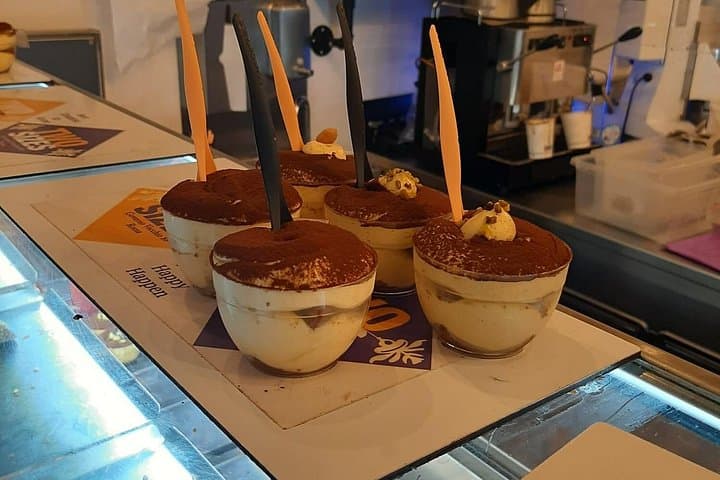
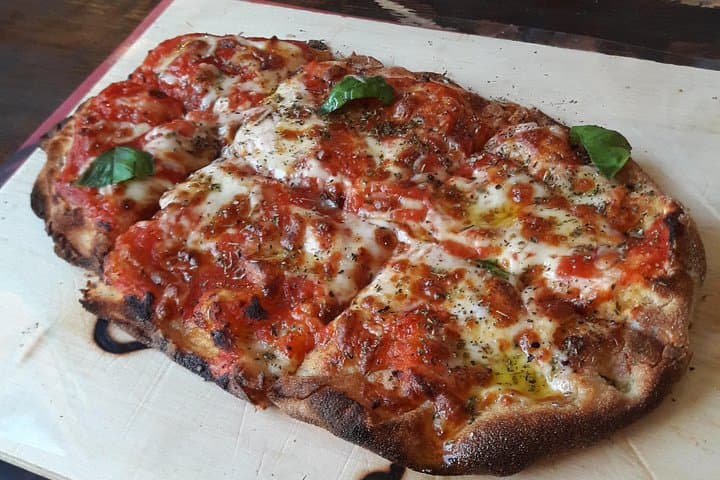
Expect hands‑on tasting: supplì fried rice snacks, a slice of pinsa or Roman‑style pizza, and a generous portion of tiramisù, paired with bottled water and local anecdotes. The pace is conversational but structured: roughly 2–3 km of walking across cobbles with several fifteen‑minute stops at landmarks like Piazza Navona and lesser‑known arches and fountains.
Practical notes: wear comfortable shoes for uneven stone, bring a light jacket for sudden weather changes, and flag dietary restrictions when booking. The experience suits travelers who enjoy food, city history and short urban walks rather than long hikes. Book mornings to avoid heat and crowds; midweek visits tighten the sense of discovery. This is a walking encounter with Rome’s flavors and stories—direct, social, and immediately edible.
The tour runs about 150 minutes with roughly 2–3 km of walking and several short, seated or standing tastings at food stops.
Much of the route is on cobblestones; the operator notes wheelchair accessibility for many areas, but contact them in advance to confirm accommodations for your specific needs.
Tastings (supplì, pinsa, tiramisù and bottled water) are included—notify the operator on booking to arrange vegetarian or allergy‑friendly alternatives.
Meeting points are typically in central Old Town near transit hubs; public transportation options are available close to the start—check confirmation details for the exact address.
That's All Local operates guided outdoor trips and adventures with an emphasis on safety, stewardship, and memorable experiences.
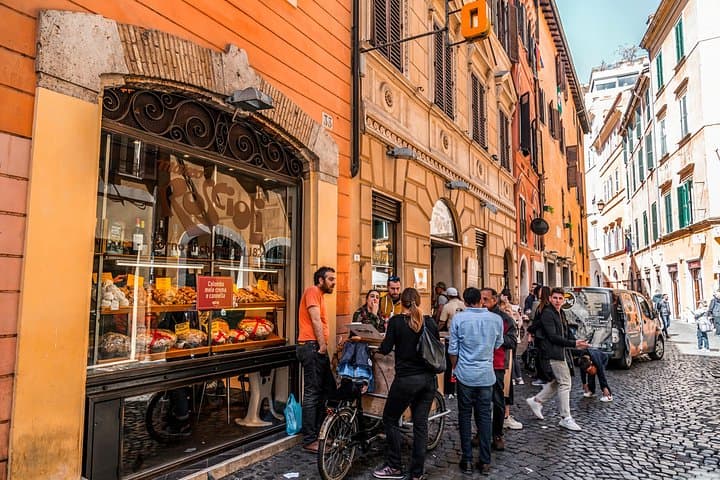
A morning in Rome begins with sun hitting a travertine fountain and the guide leading a small group down a lane that smells of espresso and warm dough. The tour moves at a pedestrian rhythm—stopping at tiny bakeries, ducking through medieval alleys and lingering by baroque fountains—each pause a chance to taste a local specialty and hear the story behind it.
A morning in Rome begins with sun hitting a travertine fountain and the guide leading a small group down a lane that smells of espresso and warm dough. The tour moves at a pedestrian rhythm—stopping at tiny bakeries, ducking through medieval alleys and lingering by baroque fountains—each pause a chance to taste a local specialty and hear the story behind it.
The route threads through layers of history. Renaissance piazzas rise over ancient Roman streets; medieval inscriptions rub shoulders with 19th‑century graffiti. Geology is visible in the buildings themselves—travertine and tufa carved from nearby quarries—while the culture of the rione (neighborhood) reads like a living archive of markets, family shops and cafés kept in constant use.
Expect hands‑on tasting: supplì fried rice snacks, a slice of pinsa or Roman‑style pizza, and a generous portion of tiramisù, paired with bottled water and local anecdotes. The pace is conversational but structured: roughly 2–3 km of walking across cobbles with several fifteen‑minute stops at landmarks like Piazza Navona and lesser‑known arches and fountains.
Practical notes: wear comfortable shoes for uneven stone, bring a light jacket for sudden weather changes, and flag dietary restrictions when booking. The experience suits travelers who enjoy food, city history and short urban walks rather than long hikes. Book mornings to avoid heat and crowds; midweek visits tighten the sense of discovery. This is a walking encounter with Rome’s flavors and stories—direct, social, and immediately edible.
