THE ADVENTURE COLLECTIVE® · Independent discovery and booking for outdoor travel

Walk Rome’s historic streets on a 2½-hour chocolate-focused tasting tour that visits artisan cioccolaterie, a classic pasticceria and Trastevere gelateria. Learn about local ingredients, chocolate-making techniques, and the neighborhoods that shape Roman sweets.
Walk Rome’s historic streets on a 2½-hour chocolate-focused tasting tour that visits artisan cioccolaterie, a classic pasticceria and Trastevere gelateria. Learn about local ingredients, chocolate-making techniques, and the neighborhoods that shape Roman sweets.
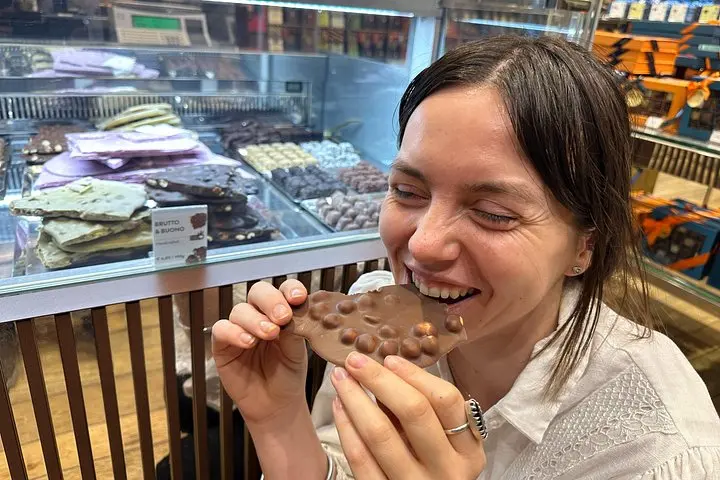
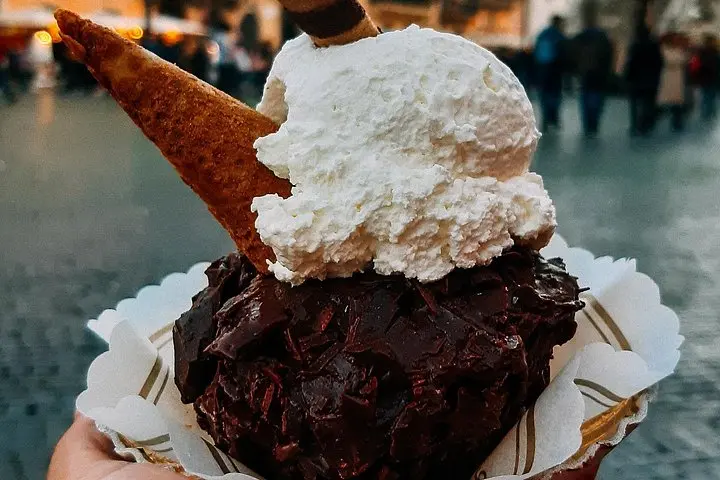
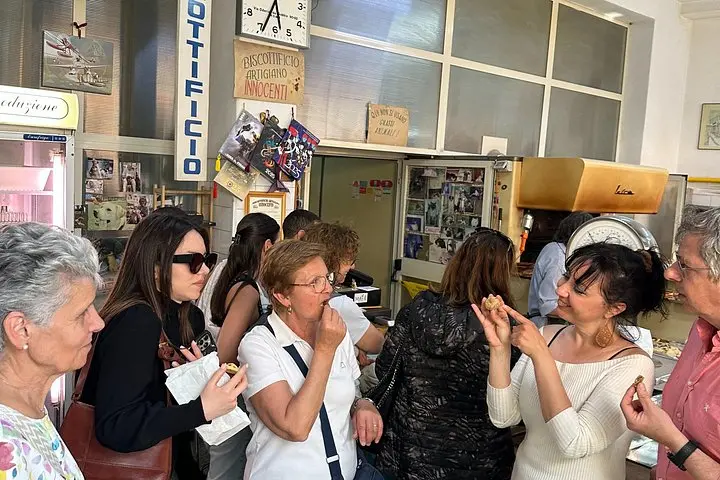
A narrow street carded in late-afternoon light—cobblestones clicking underfoot, the Tiber nudging the city’s edge as guides lead a small group toward Santa Maria sopra Minerva. The Rome Chocolate Tour threads through this living museum: a cioccolateria where bonbons are piped by hand, a pasticceria with chocolate-filled bignè, and a gelateria famed for its tartufo.
Verified experiences and guided adventures in the surrounding area.
Operated by Pink Umbrella Tours Corporate Events and Team Building · Rome, Lazio
A narrow street carded in late-afternoon light—cobblestones clicking underfoot, the Tiber nudging the city’s edge as guides lead a small group toward Santa Maria sopra Minerva. The Rome Chocolate Tour threads through this living museum: a cioccolateria where bonbons are piped by hand, a pasticceria with chocolate-filled bignè, and a gelateria famed for its tartufo.
Rome’s flavor map is rooted in history and geology. The city’s piazzas and churches sit on layers of travertine and volcanic tuff from the Alban Hills; those same hills produced the hazelnuts and chestnut groves that shape Italian chocolate pairings. Trastevere, with its medieval lanes and river-facing facades, offers a cultural counterpoint—local bakers continuing centuries-old techniques while experimenting with rosemary, sea salt and regional hazelnuts from the Cimini Mountains.
The walk balances tasting and context: expect demonstrations about tempering and frank talk on sourcing, plus commentary on Rome’s culinary traditions and the role of guilds and pasticcerie in neighborhood life.
Practical guidance: plan for roughly 2½ hours on foot, mostly flat but with uneven stone underfoot; bring a small daypack, closed-toe shoes, and a refillable water bottle. Payments are usually by card, but small delis may prefer cash. Tours operate rain or shine—light rain jackets keep tastings comfortable. For quieter stops, choose morning departures; for livelier street scenes and aperitivo options, book later in the afternoon.
This is a social, low-impact urban stroll ideal for anyone curious about artisanal chocolate and the way Rome’s streets shape its flavors.
Expect about 1.5–2 miles (2.5–3.5 km) of walking over 2–2.5 hours, mostly level but on historic cobblestones.
Many operators can accommodate allergies or dietary needs if notified in advance; disclose requirements at booking.
Yes—this is family-friendly, though sampling portions and schedule should be considered for young children.
Most stops are quick stand-and-sample experiences; a few locations may offer brief seated tastings depending on the shop.
Pink Umbrella Tours Corporate Events and Team Building operates guided outdoor trips and adventures with an emphasis on safety, stewardship, and memorable experiences.

A narrow street carded in late-afternoon light—cobblestones clicking underfoot, the Tiber nudging the city’s edge as guides lead a small group toward Santa Maria sopra Minerva. The Rome Chocolate Tour threads through this living museum: a cioccolateria where bonbons are piped by hand, a pasticceria with chocolate-filled bignè, and a gelateria famed for its tartufo.
A narrow street carded in late-afternoon light—cobblestones clicking underfoot, the Tiber nudging the city’s edge as guides lead a small group toward Santa Maria sopra Minerva. The Rome Chocolate Tour threads through this living museum: a cioccolateria where bonbons are piped by hand, a pasticceria with chocolate-filled bignè, and a gelateria famed for its tartufo.
Rome’s flavor map is rooted in history and geology. The city’s piazzas and churches sit on layers of travertine and volcanic tuff from the Alban Hills; those same hills produced the hazelnuts and chestnut groves that shape Italian chocolate pairings. Trastevere, with its medieval lanes and river-facing facades, offers a cultural counterpoint—local bakers continuing centuries-old techniques while experimenting with rosemary, sea salt and regional hazelnuts from the Cimini Mountains.
The walk balances tasting and context: expect demonstrations about tempering and frank talk on sourcing, plus commentary on Rome’s culinary traditions and the role of guilds and pasticcerie in neighborhood life.
Practical guidance: plan for roughly 2½ hours on foot, mostly flat but with uneven stone underfoot; bring a small daypack, closed-toe shoes, and a refillable water bottle. Payments are usually by card, but small delis may prefer cash. Tours operate rain or shine—light rain jackets keep tastings comfortable. For quieter stops, choose morning departures; for livelier street scenes and aperitivo options, book later in the afternoon.
This is a social, low-impact urban stroll ideal for anyone curious about artisanal chocolate and the way Rome’s streets shape its flavors.