THE ADVENTURE COLLECTIVE® · Independent discovery and booking for outdoor travel

Hop a direct bus from Civitavecchia to Rome’s Circus Maximus for a focused half-day in the Eternal City. Expect a ~90-minute transfer, 5½ hours of free time, and easy walking access to the Colosseum, Palatine Hill and surrounding highlights.
Hop a direct bus from Civitavecchia to Rome’s Circus Maximus for a focused half-day in the Eternal City. Expect a ~90-minute transfer, 5½ hours of free time, and easy walking access to the Colosseum, Palatine Hill and surrounding highlights.
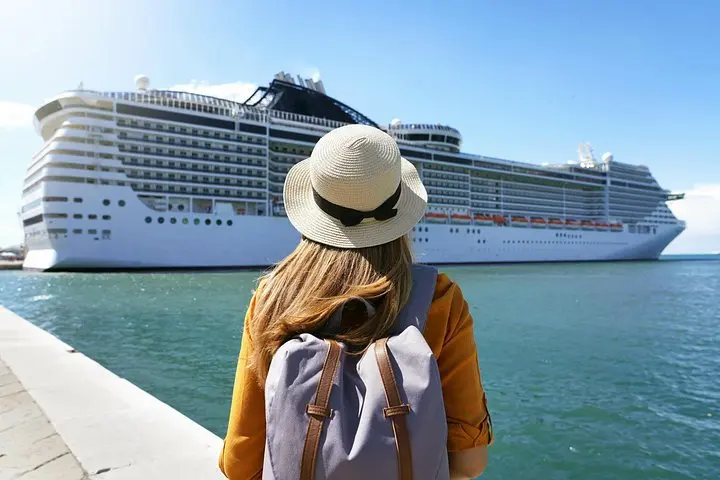
You step off the Civitavecchia pier into a low, salty breeze and board a coach that eats the motorway toward Rome. The city unfolds as a line of domes and stone, and after roughly ninety minutes you disembark at Piazzale Ugo La Malfa, beside the broad curve of the Circus Maximus — a raw, immediate introduction to ancient Rome.
Verified experiences and guided adventures in the surrounding area.
Operated by Sightseeing Experience · Civitavecchia, Lazio
You step off the Civitavecchia pier into a low, salty breeze and board a coach that eats the motorway toward Rome. The city unfolds as a line of domes and stone, and after roughly ninety minutes you disembark at Piazzale Ugo La Malfa, beside the broad curve of the Circus Maximus — a raw, immediate introduction to ancient Rome.
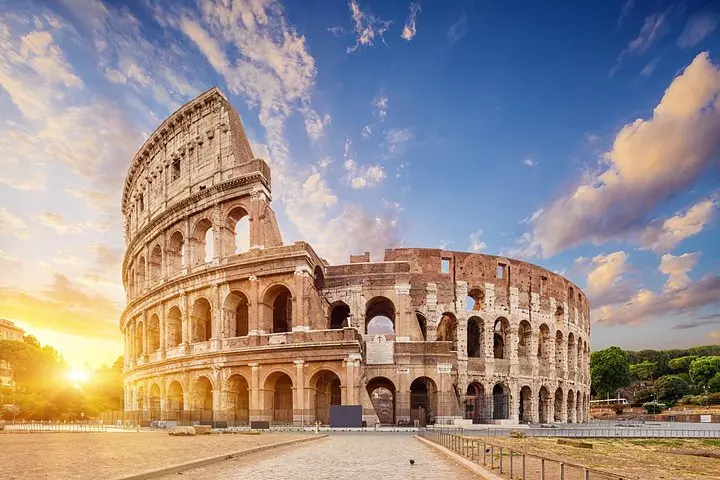
Circus Maximus was once the empire’s largest chariot stadium; today its long lawn frames views of the Palatine Hill and the Colosseum nearby. Rome’s streets tell geological stories too: volcanic tuff and travertine rise underfoot, quarried over millennia to build basilicas and piazzas. Culturally, the route links a working port town — Civitavecchia, the cruise gateway — with Rome’s layered neighborhoods where espresso counters, artisan gelaterie and cobbled alleys meet ruins.
Practical guidance is straightforward. The transfer is unstructured: you get about five and a half hours in the city (schedule subject to traffic). From the Circus Maximus you can walk to the Colosseum in 10–15 minutes or cross to the Aventine for a quieter view. Follow posted meeting instructions (Box n.7 / staff in red) and set alarms — buses leave on schedule.
Wear comfortable shoes, carry a refillable bottle and a compact map, and expect crowds at major sights. Traffic can add variability to arrival and return times, so keep valuables secure and allow a little flexibility in your plans. This transfer turns a port stop into a focused, doable day in Rome.
The bus stops at Piazzale Ugo La Malfa near Circus Maximus; the return meeting point is the same area and staff are available to assist.
You’ll typically have about 5½ hours; that’s enough to walk to the Colosseum, Roman Forum and a few nearby piazzas, but not for extensive museum visits.
The transfer is listed as physically easy and strollers are allowed, but there is walking on uneven surfaces at sites — check with the operator for accessibility assistance.
Contact the operator immediately using the contact details on your voucher; alternatives include regional trains or paid taxis but these may not match the scheduled return.
Sightseeing Experience operates guided outdoor trips and adventures with an emphasis on safety, stewardship, and memorable experiences.

You step off the Civitavecchia pier into a low, salty breeze and board a coach that eats the motorway toward Rome. The city unfolds as a line of domes and stone, and after roughly ninety minutes you disembark at Piazzale Ugo La Malfa, beside the broad curve of the Circus Maximus — a raw, immediate introduction to ancient Rome.
You step off the Civitavecchia pier into a low, salty breeze and board a coach that eats the motorway toward Rome. The city unfolds as a line of domes and stone, and after roughly ninety minutes you disembark at Piazzale Ugo La Malfa, beside the broad curve of the Circus Maximus — a raw, immediate introduction to ancient Rome.
Circus Maximus was once the empire’s largest chariot stadium; today its long lawn frames views of the Palatine Hill and the Colosseum nearby. Rome’s streets tell geological stories too: volcanic tuff and travertine rise underfoot, quarried over millennia to build basilicas and piazzas. Culturally, the route links a working port town — Civitavecchia, the cruise gateway — with Rome’s layered neighborhoods where espresso counters, artisan gelaterie and cobbled alleys meet ruins.
Practical guidance is straightforward. The transfer is unstructured: you get about five and a half hours in the city (schedule subject to traffic). From the Circus Maximus you can walk to the Colosseum in 10–15 minutes or cross to the Aventine for a quieter view. Follow posted meeting instructions (Box n.7 / staff in red) and set alarms — buses leave on schedule.
Wear comfortable shoes, carry a refillable bottle and a compact map, and expect crowds at major sights. Traffic can add variability to arrival and return times, so keep valuables secure and allow a little flexibility in your plans. This transfer turns a port stop into a focused, doable day in Rome.