THE ADVENTURE COLLECTIVE® · Independent discovery and booking for outdoor travel
Train like a Roman for an afternoon: try sword-and-shield drills, javelin throws, ancient archery and a Caesar-coded treasure hunt in a nature reserve near Rome. This hands-on reconstitution blends history, physical challenge and interactive learning.
Train like a Roman for an afternoon: try sword-and-shield drills, javelin throws, ancient archery and a Caesar-coded treasure hunt in a nature reserve near Rome. This hands-on reconstitution blends history, physical challenge and interactive learning.
You step off the shuttle into a stretch of scrub and stone where the modern city hushes behind a line of pines. The air carries dust and the faint rhythm of drums; instructors in simple tunics move with deliberate purpose, and the terrain—sun-warmed earth and compacted trail—invites a different kind of march.
Verified experiences and guided adventures in the surrounding area.
Operated by Ticketinrome.com · Rome, Lazio
You step off the shuttle into a stretch of scrub and stone where the modern city hushes behind a line of pines. The air carries dust and the faint rhythm of drums; instructors in simple tunics move with deliberate purpose, and the terrain—sun-warmed earth and compacted trail—invites a different kind of march.
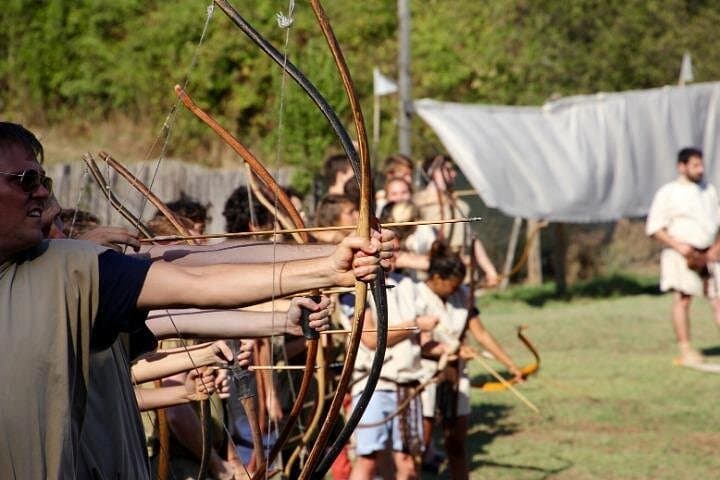
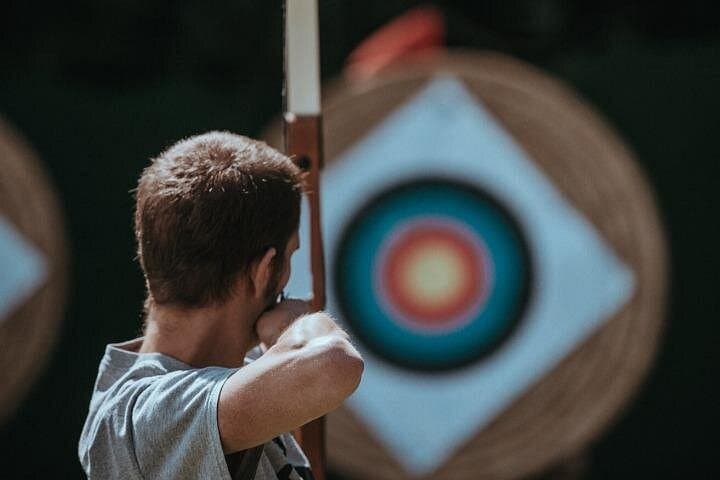
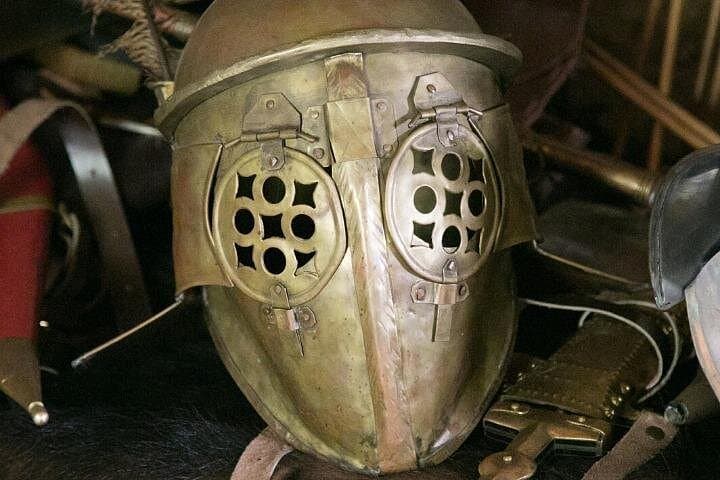
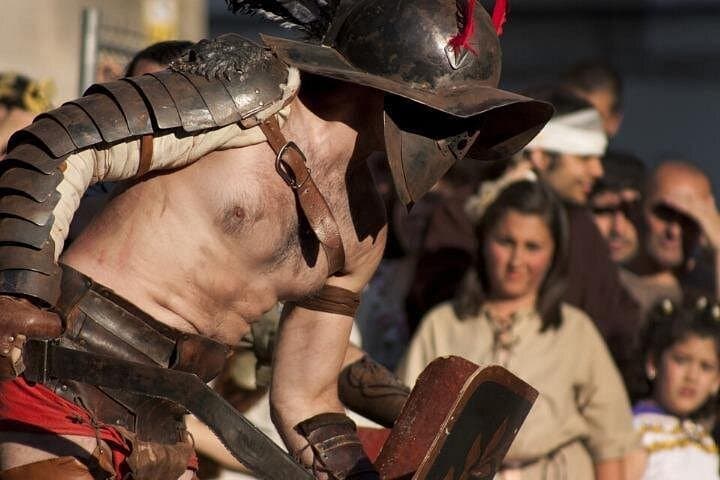
This is a living reconstruction of Roman martial training. Gladiators and legionaries trained in distinct spaces: gladiators in the ludi under lanista guidance, legionaries in fortified camps drilling formations and javelin casts. The activity borrows rehearsal methods—sword-and-shield drills, javelin technique, archery and agility games—set against a landscape that still shows traces of Rome’s imperial infrastructure: nearby aqueduct arches and the long line of the ancient Appian way where soldiers once marched.
Culturally the program mixes performance and education: instructors explain period clothing and military rules while participants try on tunics, practice formations and decode a Caesar-shift cipher in a final treasure hunt. Geologically you’ll feel the compacted tufa and limestone underfoot, and the wind through umbrella pines that seem to dare you forward.
Practical guidance: arrive in sports clothes and sturdy shoes, expect four hours including transfers and breaks, and bring water and sunscreen. Safety is enforced: weapon handling is controlled and paced for all fitness levels, but the session requires moderate conditioning—stairs, short sprints and repeated lifts.
Leave room after the session to wander a nearby ancient road or visit a local trattoria—history here is tactile, immediate and surprisingly physical.
No—activities are designed for beginners with progressive instruction; basic coordination helps but coaches adapt to skill levels.
Blades and javelins are supervised replicas or training versions; instructors enforce strict safety protocols and local regulations.
Instruction is available in English and Italian according to the listing; confirm at booking for other language needs.
Yes—pickup and drop-off from central Rome hotels are included; meeting points and times are confirmed after booking.
Ticketinrome.com operates guided outdoor trips and adventures with an emphasis on safety, stewardship, and memorable experiences.
You step off the shuttle into a stretch of scrub and stone where the modern city hushes behind a line of pines. The air carries dust and the faint rhythm of drums; instructors in simple tunics move with deliberate purpose, and the terrain—sun-warmed earth and compacted trail—invites a different kind of march.
You step off the shuttle into a stretch of scrub and stone where the modern city hushes behind a line of pines. The air carries dust and the faint rhythm of drums; instructors in simple tunics move with deliberate purpose, and the terrain—sun-warmed earth and compacted trail—invites a different kind of march.
This is a living reconstruction of Roman martial training. Gladiators and legionaries trained in distinct spaces: gladiators in the ludi under lanista guidance, legionaries in fortified camps drilling formations and javelin casts. The activity borrows rehearsal methods—sword-and-shield drills, javelin technique, archery and agility games—set against a landscape that still shows traces of Rome’s imperial infrastructure: nearby aqueduct arches and the long line of the ancient Appian way where soldiers once marched.
Culturally the program mixes performance and education: instructors explain period clothing and military rules while participants try on tunics, practice formations and decode a Caesar-shift cipher in a final treasure hunt. Geologically you’ll feel the compacted tufa and limestone underfoot, and the wind through umbrella pines that seem to dare you forward.
Practical guidance: arrive in sports clothes and sturdy shoes, expect four hours including transfers and breaks, and bring water and sunscreen. Safety is enforced: weapon handling is controlled and paced for all fitness levels, but the session requires moderate conditioning—stairs, short sprints and repeated lifts.
Leave room after the session to wander a nearby ancient road or visit a local trattoria—history here is tactile, immediate and surprisingly physical.
