THE ADVENTURE COLLECTIVE® · Independent discovery and booking for outdoor travel

See Rome’s layers in under three hours aboard a comfortable golf cart. This guided timelapse route hits the Colosseum, Pantheon, Aventine Hill and Renaissance highlights while keeping the walking easy and the history sharp.
See Rome’s layers in under three hours aboard a comfortable golf cart. This guided timelapse route hits the Colosseum, Pantheon, Aventine Hill and Renaissance highlights while keeping the walking easy and the history sharp.
You pull away from a cobbled piazza as church bells still echo and the trolley tracks clack underfoot; the city spreads in layers—ancient stone, Renaissance facades, modern scooters—while your golf cart threads narrow streets that larger vehicles avoid.
Verified experiences and guided adventures in the surrounding area.
Operated by Not boring tours · Rome, Lazio
You pull away from a cobbled piazza as church bells still echo and the trolley tracks clack underfoot; the city spreads in layers—ancient stone, Renaissance facades, modern scooters—while your golf cart threads narrow streets that larger vehicles avoid.
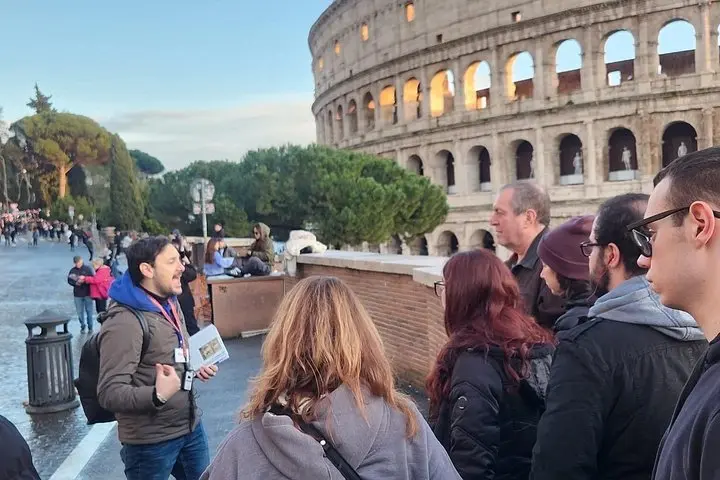
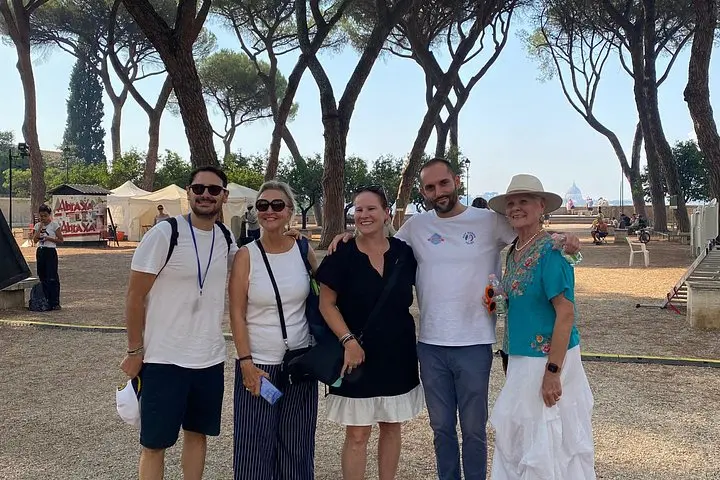
This 170‑minute timelapse tour stitches Rome’s major eras into a single loop: the myth of Romulus and Remus, the Republic’s public life, the Empire’s monuments, and the later reshaping under medieval popes and Renaissance masters. Expect photo pauses at the Colosseum and Pantheon, a view from the Aventine Hill’s Orange Garden, and visits near Michelangelo’s works at San Pietro in Vincoli. Along the route you’ll pass Castel Sant’Angelo (Hadrian’s mausoleum) and Campo de’ Fiori, once an execution site now a lively market.
Geologically, Rome sits on tufa and volcanic deposits from Alban Hills eruptions; those soft stones were quarried to build temples and arches you’ll glimpse from the cart. Culturally, the tour highlights how religion, power, and art layered the city—arrow-straight Roman roads cut through later piazzas and Baroque façades.
Practically, the golf cart keeps the experience accessible—minimal walking, roof shade, and conversational commentary. It’s an efficient way to orient yourself and capture concentrated history without long walks between sights. Bring a charged camera, light layers for breezy hilltop views, and plan for morning or late afternoon to avoid the midday heat and crowds. The Trevi Fountain isn’t on the route, so plan a separate visit if that’s a priority.
The experience lasts approximately 170 minutes (about 2 hours 50 minutes) and includes multiple short photo stops.
Yes—infants can ride in strollers or on laps; infant seats are available and the tour is family-friendly.
No—this tour offers viewpoint stops and explanations outside major sites rather than inside admissions.
Guests who rely fully on a wheelchair should remain on the cart for the tour; wheelchairs and strollers can be left at the office due to limited cart space.
Not boring tours operates guided outdoor trips and adventures with an emphasis on safety, stewardship, and memorable experiences.

You pull away from a cobbled piazza as church bells still echo and the trolley tracks clack underfoot; the city spreads in layers—ancient stone, Renaissance facades, modern scooters—while your golf cart threads narrow streets that larger vehicles avoid.
You pull away from a cobbled piazza as church bells still echo and the trolley tracks clack underfoot; the city spreads in layers—ancient stone, Renaissance facades, modern scooters—while your golf cart threads narrow streets that larger vehicles avoid.
This 170‑minute timelapse tour stitches Rome’s major eras into a single loop: the myth of Romulus and Remus, the Republic’s public life, the Empire’s monuments, and the later reshaping under medieval popes and Renaissance masters. Expect photo pauses at the Colosseum and Pantheon, a view from the Aventine Hill’s Orange Garden, and visits near Michelangelo’s works at San Pietro in Vincoli. Along the route you’ll pass Castel Sant’Angelo (Hadrian’s mausoleum) and Campo de’ Fiori, once an execution site now a lively market.
Geologically, Rome sits on tufa and volcanic deposits from Alban Hills eruptions; those soft stones were quarried to build temples and arches you’ll glimpse from the cart. Culturally, the tour highlights how religion, power, and art layered the city—arrow-straight Roman roads cut through later piazzas and Baroque façades.
Practically, the golf cart keeps the experience accessible—minimal walking, roof shade, and conversational commentary. It’s an efficient way to orient yourself and capture concentrated history without long walks between sights. Bring a charged camera, light layers for breezy hilltop views, and plan for morning or late afternoon to avoid the midday heat and crowds. The Trevi Fountain isn’t on the route, so plan a separate visit if that’s a priority.