THE ADVENTURE COLLECTIVE® · Independent discovery and booking for outdoor travel

A focused two-hour guided walk that stitches Rome’s imperial ruins to its Baroque showpieces — Trajan’s Market to the Pantheon and Piazza Navona. Ideal for first-time visitors who want a compact, narrative-led introduction to the historic center.
A focused two-hour guided walk that stitches Rome’s imperial ruins to its Baroque showpieces — Trajan’s Market to the Pantheon and Piazza Navona. Ideal for first-time visitors who want a compact, narrative-led introduction to the historic center.
You step out onto a Roman morning: cobblestones cool underfoot, church bells punctuating the air, and a guide folding a map like an old letter. The route threads through Trajan's Market and the remnants of the Forum of Trajan, passes the ornate façade of the Church of St. Ignatius, then opens onto the roar and spray of the Trevi Fountain — water daring you to toss a coin and promise to return.
Verified experiences and guided adventures in the surrounding area.
Operated by Guydeez · Rome, Lazio
You step out onto a Roman morning: cobblestones cool underfoot, church bells punctuating the air, and a guide folding a map like an old letter. The route threads through Trajan's Market and the remnants of the Forum of Trajan, passes the ornate façade of the Church of St. Ignatius, then opens onto the roar and spray of the Trevi Fountain — water daring you to toss a coin and promise to return.
This two-hour circuit moves from Imperial Rome to Baroque showpieces. The Pantheon’s concrete dome still teaches engineers, its oculus a hole to the sky that frames light like a slow clock. Piazza Navona grew from Domitian’s stadium and now hosts Bernini’s Fountain of the Four Rivers and Sant'Agnese in Agone, where art, papal politics, and public life intersect on every carved face.
Expect tight alleys in the Rione IV Campo Marzio, layers of stone from ancient pavement to Renaissance marble, and the occasional accordion player setting tempo. The guide will fold history into street-level observations: why piazzas became marketplaces, how fountains signaled papal power, and where ordinary Romans still shop and sip espresso.
Practical guidance: the 120-minute tour is primarily on foot and does not include skip-the-line entries — bring water, wear supportive shoes for uneven surfaces, and plan for crowds near major monuments. Morning departures reduce heat and lines; keep valuables secure and leave large backpacks at your hotel. With a little planning this walking tour delivers concentrated history, compact city culture, and the kind of close-up views that a car or bus never provides.
No — this tour is a walking orientation and does not include paid entry to interiors; the guide will indicate which sites you can enter independently.
Yes — the meeting area and most streets on the route are accessible, though some cobbled sections may be uneven; contact the operator for specific accommodation needs.
Private and small-group options are available; check booking details for the maximum group size on your selected departure.
Full refunds are available for cancellations made at least 24 hours before the scheduled start time per the standard policy.
Guydeez operates guided outdoor trips and adventures with an emphasis on safety, stewardship, and memorable experiences.



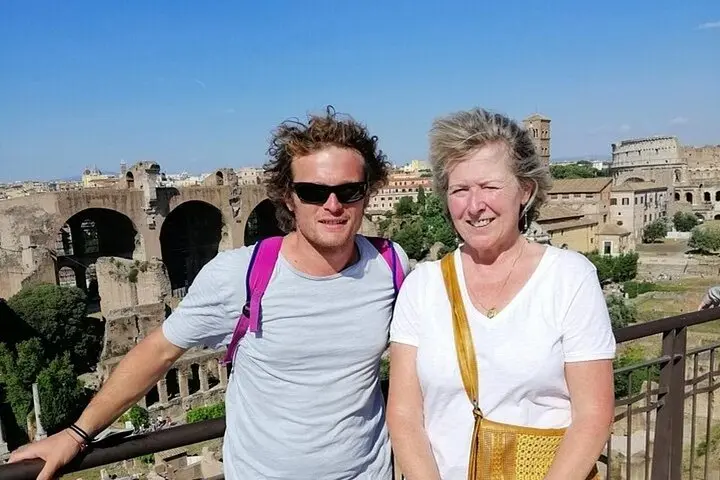
You step out onto a Roman morning: cobblestones cool underfoot, church bells punctuating the air, and a guide folding a map like an old letter. The route threads through Trajan's Market and the remnants of the Forum of Trajan, passes the ornate façade of the Church of St. Ignatius, then opens onto the roar and spray of the Trevi Fountain — water daring you to toss a coin and promise to return.
You step out onto a Roman morning: cobblestones cool underfoot, church bells punctuating the air, and a guide folding a map like an old letter. The route threads through Trajan's Market and the remnants of the Forum of Trajan, passes the ornate façade of the Church of St. Ignatius, then opens onto the roar and spray of the Trevi Fountain — water daring you to toss a coin and promise to return.
This two-hour circuit moves from Imperial Rome to Baroque showpieces. The Pantheon’s concrete dome still teaches engineers, its oculus a hole to the sky that frames light like a slow clock. Piazza Navona grew from Domitian’s stadium and now hosts Bernini’s Fountain of the Four Rivers and Sant'Agnese in Agone, where art, papal politics, and public life intersect on every carved face.
Expect tight alleys in the Rione IV Campo Marzio, layers of stone from ancient pavement to Renaissance marble, and the occasional accordion player setting tempo. The guide will fold history into street-level observations: why piazzas became marketplaces, how fountains signaled papal power, and where ordinary Romans still shop and sip espresso.
Practical guidance: the 120-minute tour is primarily on foot and does not include skip-the-line entries — bring water, wear supportive shoes for uneven surfaces, and plan for crowds near major monuments. Morning departures reduce heat and lines; keep valuables secure and leave large backpacks at your hotel. With a little planning this walking tour delivers concentrated history, compact city culture, and the kind of close-up views that a car or bus never provides.