THE ADVENTURE COLLECTIVE® · Independent discovery and booking for outdoor travel

Walk a vibrant Roman market, learn about local ingredients, then enjoy an authentic aperitivo in a Cesarine host’s home. This 2½‑hour experience pairs market education with warm Italian hospitality.
Walk a vibrant Roman market, learn about local ingredients, then enjoy an authentic aperitivo in a Cesarine host’s home. This 2½‑hour experience pairs market education with warm Italian hospitality.
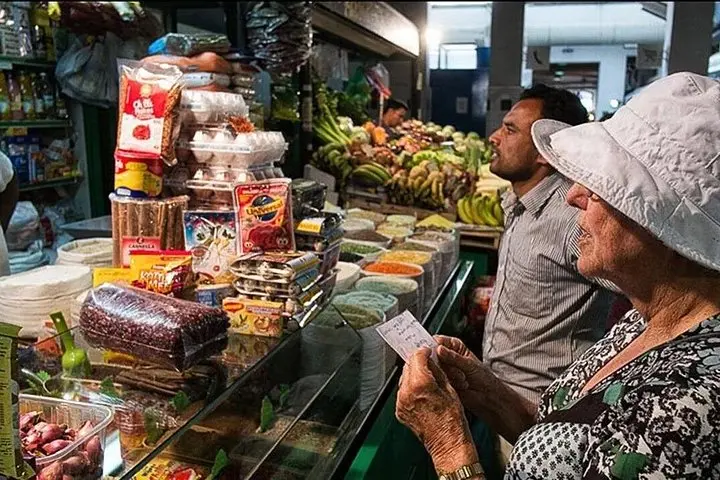
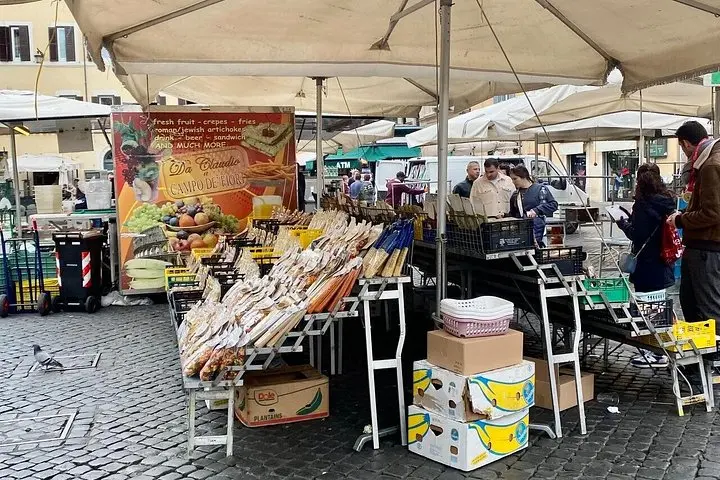
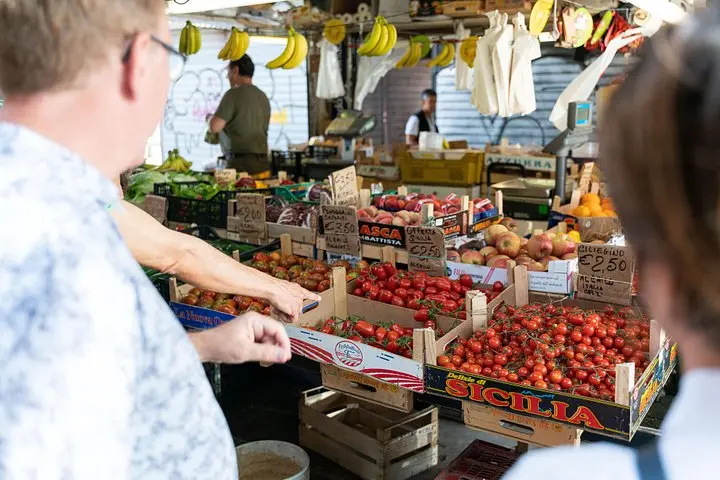
You step off a busy Roman street into a morning market that speaks in bright produce and quick bargains. Vendors call prices over crates of citrus; olives glisten under a slanted shaft of sun. After a focused 40‑minute walk through stalls—cheeses aged in the region, bushels of basil, cured meats—the group moves to a neighborhood apartment where a local host opens their door for an authentic aperitivo.
Verified experiences and guided adventures in the surrounding area.
Operated by Cesarine: Cooking Class · Rome, Lazio
You step off a busy Roman street into a morning market that speaks in bright produce and quick bargains. Vendors call prices over crates of citrus; olives glisten under a slanted shaft of sun. After a focused 40‑minute walk through stalls—cheeses aged in the region, bushels of basil, cured meats—the group moves to a neighborhood apartment where a local host opens their door for an authentic aperitivo.
Rome’s open markets date to the medieval period, evolving from specialist stalls to the lively mercados that shaped neighborhood life. The city sits on volcanic soils from the nearby Alban Hills, which influence the olive and grape varieties sold here; that geology is what gives Roman food many of its flavors. The Cesarine network revives the home-cook tradition, pairing market knowledge with hospitality: expect small plates designed to showcase what you bought or observed—crostini, salumi, seasonal vegetables—and a welcoming glass of wine.
Practical guidance: arrive with comfortable shoes and a small bag for purchases; most vendors accept cards but some prefer cash. The market portion is active and social—listen for product names and local tips. At the host’s home, table etiquette leans casual but polite: ask before photographing food and declare allergies in advance. Timing matters—midday tours catch the market at its liveliest and aperitivo just before dinner.
This experience blends hands-on food education with genuine home hospitality, ideal for travelers who want to learn Roman food culture beyond restaurants.
The full experience lasts about 150 minutes: roughly 40 minutes in the market then transport to and aperitivo at the host’s home.
Yes—hosts can provide vegetarian options if dietary needs are noted when booking; notify the operator in advance.
Yes—guides commonly operate in English for international guests; check language options when reserving.
Full refunds are available if you cancel at least 24 hours before the scheduled time; otherwise no refund.
Cesarine: Cooking Class operates guided outdoor trips and adventures with an emphasis on safety, stewardship, and memorable experiences.
You step off a busy Roman street into a morning market that speaks in bright produce and quick bargains. Vendors call prices over crates of citrus; olives glisten under a slanted shaft of sun. After a focused 40‑minute walk through stalls—cheeses aged in the region, bushels of basil, cured meats—the group moves to a neighborhood apartment where a local host opens their door for an authentic aperitivo.
You step off a busy Roman street into a morning market that speaks in bright produce and quick bargains. Vendors call prices over crates of citrus; olives glisten under a slanted shaft of sun. After a focused 40‑minute walk through stalls—cheeses aged in the region, bushels of basil, cured meats—the group moves to a neighborhood apartment where a local host opens their door for an authentic aperitivo.
Rome’s open markets date to the medieval period, evolving from specialist stalls to the lively mercados that shaped neighborhood life. The city sits on volcanic soils from the nearby Alban Hills, which influence the olive and grape varieties sold here; that geology is what gives Roman food many of its flavors. The Cesarine network revives the home-cook tradition, pairing market knowledge with hospitality: expect small plates designed to showcase what you bought or observed—crostini, salumi, seasonal vegetables—and a welcoming glass of wine.
Practical guidance: arrive with comfortable shoes and a small bag for purchases; most vendors accept cards but some prefer cash. The market portion is active and social—listen for product names and local tips. At the host’s home, table etiquette leans casual but polite: ask before photographing food and declare allergies in advance. Timing matters—midday tours catch the market at its liveliest and aperitivo just before dinner.
This experience blends hands-on food education with genuine home hospitality, ideal for travelers who want to learn Roman food culture beyond restaurants.