THE ADVENTURE COLLECTIVE® · Independent discovery and booking for outdoor travel

Explore Rome where surface streets meet buried history. This three-hour walk brings you from Piazza Navona to the Pantheon and the City of Water beneath the Trevi Fountain, led mostly by archaeologist guides.
Explore Rome where surface streets meet buried history. This three-hour walk brings you from Piazza Navona to the Pantheon and the City of Water beneath the Trevi Fountain, led mostly by archaeologist guides.
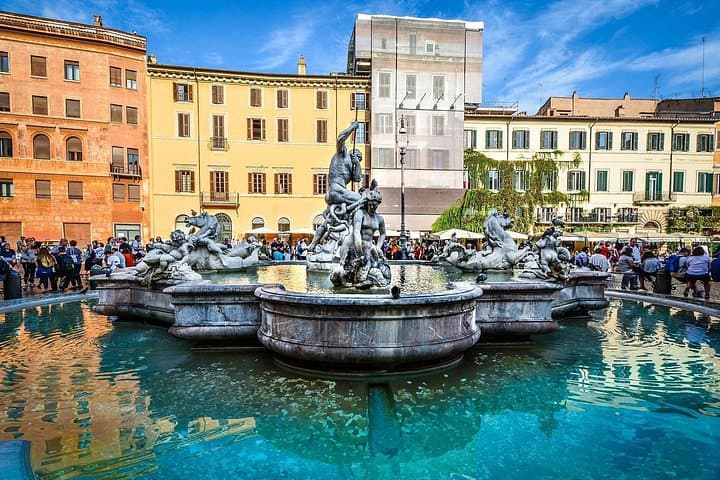
You step off a quiet narrow street and the city opens into light: Piazza Navona’s broad oval fills the view, baroque fountains daring you toward the next block of stone and story. This three-hour walk threads the public theaters of Rome’s everyday life with the city’s buried remains, moving between sunlit piazzas and the cool, dim spaces where Romans once lived.
Verified experiences and guided adventures in the surrounding area.
Operated by Doooing Experience · Rome, Lazio
You step off a quiet narrow street and the city opens into light: Piazza Navona’s broad oval fills the view, baroque fountains daring you toward the next block of stone and story. This three-hour walk threads the public theaters of Rome’s everyday life with the city’s buried remains, moving between sunlit piazzas and the cool, dim spaces where Romans once lived.
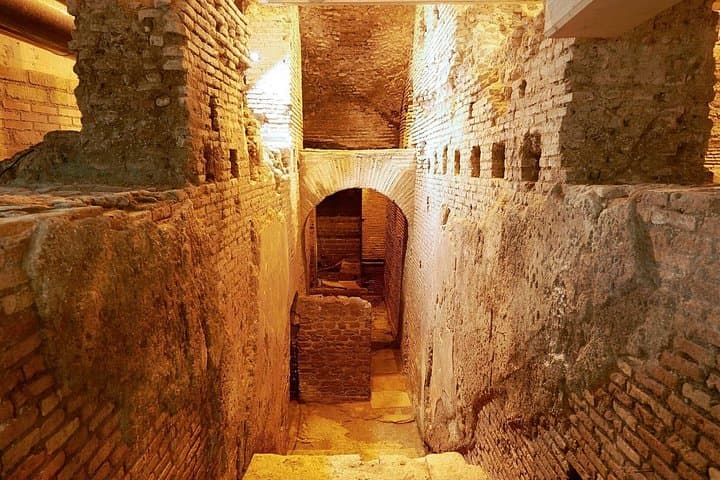
Beneath the pavements are layers of history built on tuff and travertine—imperial stadium seating, republican houses, and late-antique waterworks. The tour highlights include Piazza Navona (above the Domitian Stadium), the Pantheon (founded 27 BC by Agrippa and later rebuilt), the theatrical drama of the Trevi Fountain, and the Vicus Caprarius — the “City of Water,” a residential complex with a large 2nd-century water reservoir nine meters below street level.
Guides are often archaeologists, translating masonry, stratigraphy, and liturgical shifts into clear narratives about everyday Romans and papal patrons. Culture here is tactile: coin-tossing at Trevi, piazza life that still shapes Roman social hours, and a strict Pantheon dress policy that reflects active religious use.
Practicalities: expect about 1.5–2 miles of mostly flat walking with short stair descents into archaeological areas around 4–5 meters below street level; lighting is low below grade. The tour includes skip-the-line access and runs about 3 hours. Wear sturdy shoes, carry water, and plan to cover shoulders and knees for Pantheon entry. Public transit links are close; check messages for possible route changes during special events or restorations.
Admission to specified archaeological stops is included per the itinerary; access follows local site rules and group size limits.
Stroller access is noted for some parts, but underground areas include stairs and low clearances; wheelchair access is limited—contact the operator for details.
Guides typically speak English; check the booking page or confirmation for available language options and special requests.
Full refund if canceled at least 24 hours before departure; check your booking confirmation for specific cancellation terms.
Doooing Experience operates guided outdoor trips and adventures with an emphasis on safety, stewardship, and memorable experiences.


You step off a quiet narrow street and the city opens into light: Piazza Navona’s broad oval fills the view, baroque fountains daring you toward the next block of stone and story. This three-hour walk threads the public theaters of Rome’s everyday life with the city’s buried remains, moving between sunlit piazzas and the cool, dim spaces where Romans once lived.
You step off a quiet narrow street and the city opens into light: Piazza Navona’s broad oval fills the view, baroque fountains daring you toward the next block of stone and story. This three-hour walk threads the public theaters of Rome’s everyday life with the city’s buried remains, moving between sunlit piazzas and the cool, dim spaces where Romans once lived.
Beneath the pavements are layers of history built on tuff and travertine—imperial stadium seating, republican houses, and late-antique waterworks. The tour highlights include Piazza Navona (above the Domitian Stadium), the Pantheon (founded 27 BC by Agrippa and later rebuilt), the theatrical drama of the Trevi Fountain, and the Vicus Caprarius — the “City of Water,” a residential complex with a large 2nd-century water reservoir nine meters below street level.
Guides are often archaeologists, translating masonry, stratigraphy, and liturgical shifts into clear narratives about everyday Romans and papal patrons. Culture here is tactile: coin-tossing at Trevi, piazza life that still shapes Roman social hours, and a strict Pantheon dress policy that reflects active religious use.
Practicalities: expect about 1.5–2 miles of mostly flat walking with short stair descents into archaeological areas around 4–5 meters below street level; lighting is low below grade. The tour includes skip-the-line access and runs about 3 hours. Wear sturdy shoes, carry water, and plan to cover shoulders and knees for Pantheon entry. Public transit links are close; check messages for possible route changes during special events or restorations.