THE ADVENTURE COLLECTIVE® · Independent discovery and booking for outdoor travel

Walk from Piazza Venezia through Rome’s finest fountains to the hidden Vicus Caprarius beneath the Trevi Fountain. This compact, two-hour tour mixes baroque sculpture with an intimate archaeological visit to an ancient aqueduct.
Walk from Piazza Venezia through Rome’s finest fountains to the hidden Vicus Caprarius beneath the Trevi Fountain. This compact, two-hour tour mixes baroque sculpture with an intimate archaeological visit to an ancient aqueduct.
The city’s water moves with intention: it arcs from sculpted mouths, fills marble basins and slips, quietly, into an ancient underground tank. The two-hour walking tour begins at Piazza Venezia, beneath the broad steps of the Altare della Patria, then threads through Renaissance lanes to the Turtle Fountain, across the baroque drama of Piazza Navona and finally to the roar of the Trevi Fountain. The descent into Vicus Caprarius—an archaeological pocket under the city—brings the sound of flowing water into tight, shadowed vaults where masonry and metal still channel the Acqua Vergine.
Verified experiences and guided adventures in the surrounding area.
Operated by Italy In Love Tours · Rome, Lazio
The city’s water moves with intention: it arcs from sculpted mouths, fills marble basins and slips, quietly, into an ancient underground tank. The two-hour walking tour begins at Piazza Venezia, beneath the broad steps of the Altare della Patria, then threads through Renaissance lanes to the Turtle Fountain, across the baroque drama of Piazza Navona and finally to the roar of the Trevi Fountain. The descent into Vicus Caprarius—an archaeological pocket under the city—brings the sound of flowing water into tight, shadowed vaults where masonry and metal still channel the Acqua Vergine.
Rome’s fountains are public engineering and public theatre. The Trevi Fountain sits at the terminus of the Acqua Vergine, an aqueduct originally fed in antiquity; Piazza Navona overlays the ancient stadium of Domitian. Bernini sculpted the Four Rivers as global voices in stone; Giacomo della Porta shaped smaller, intimate gestures like the Turtle Fountain. Geology here is subtle—tufa and travertine quarried from nearby hills, placed above layers of sediment that preserve the city’s plumbing.
Practical note: expect cobbled streets, short staircases and narrow underground passages—moderate fitness and steady footing help. The tour includes admission to Vicus Caprarius and runs in semi-private groups (max 6). Go early to avoid crowds, bring a refillable bottle, and tuck valuables close: central Rome is busy. Wear supportive shoes, be ready for a few steps down into the aqueduct space, and listen—Rome’s water still speaks if you stop to hear it.
Yes; the tour includes admission to the Vicus Caprarius archaeological site as part of the advertised itinerary.
Infants are allowed but must sit on an adult’s lap; the underground area has stairs and low lighting, so discretion is advised for small children.
The route covers about 1.5–2 km on cobblestones with a few staircases; a moderate fitness level is recommended and it’s not suitable for those with serious mobility issues.
The meeting point is near Piazza Venezia at the tour operator’s office; check your booking confirmation for the exact address and arrive 10 minutes early.
Italy In Love Tours operates guided outdoor trips and adventures with an emphasis on safety, stewardship, and memorable experiences.
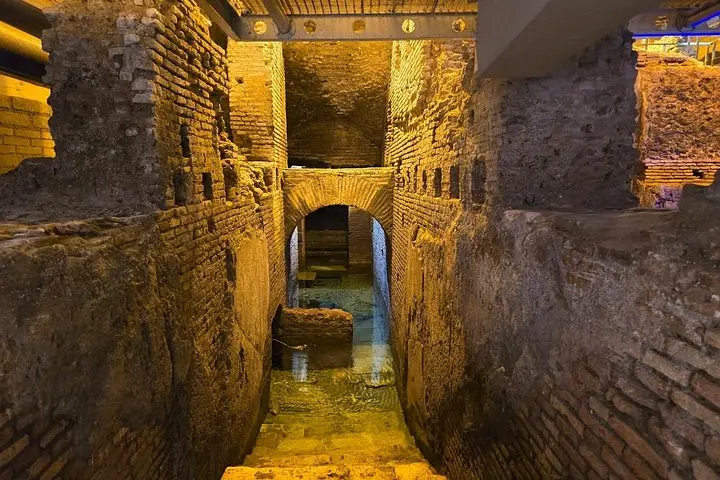
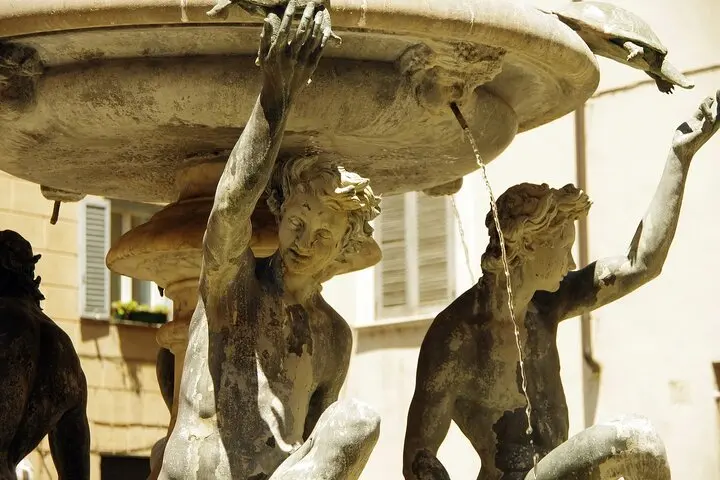
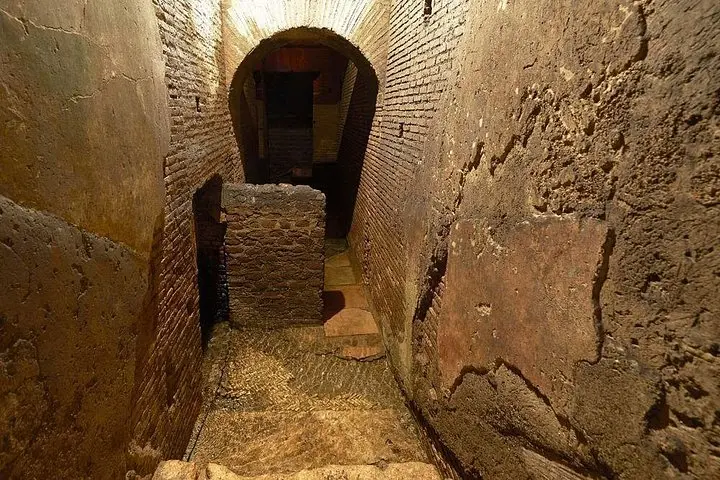
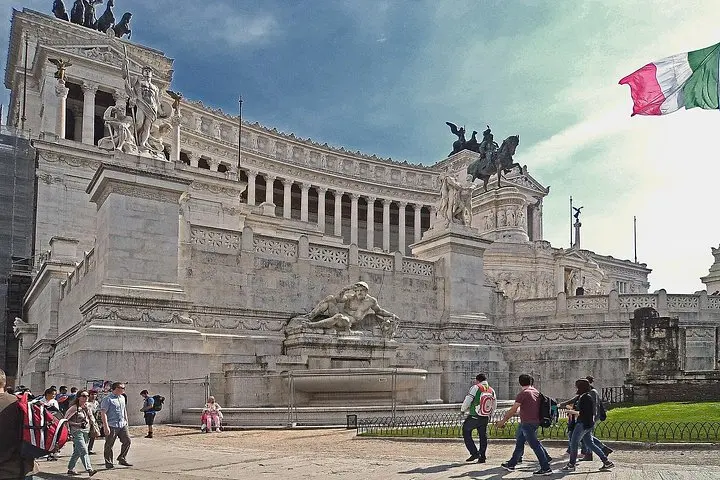
The city’s water moves with intention: it arcs from sculpted mouths, fills marble basins and slips, quietly, into an ancient underground tank. The two-hour walking tour begins at Piazza Venezia, beneath the broad steps of the Altare della Patria, then threads through Renaissance lanes to the Turtle Fountain, across the baroque drama of Piazza Navona and finally to the roar of the Trevi Fountain. The descent into Vicus Caprarius—an archaeological pocket under the city—brings the sound of flowing water into tight, shadowed vaults where masonry and metal still channel the Acqua Vergine.
The city’s water moves with intention: it arcs from sculpted mouths, fills marble basins and slips, quietly, into an ancient underground tank. The two-hour walking tour begins at Piazza Venezia, beneath the broad steps of the Altare della Patria, then threads through Renaissance lanes to the Turtle Fountain, across the baroque drama of Piazza Navona and finally to the roar of the Trevi Fountain. The descent into Vicus Caprarius—an archaeological pocket under the city—brings the sound of flowing water into tight, shadowed vaults where masonry and metal still channel the Acqua Vergine.
Rome’s fountains are public engineering and public theatre. The Trevi Fountain sits at the terminus of the Acqua Vergine, an aqueduct originally fed in antiquity; Piazza Navona overlays the ancient stadium of Domitian. Bernini sculpted the Four Rivers as global voices in stone; Giacomo della Porta shaped smaller, intimate gestures like the Turtle Fountain. Geology here is subtle—tufa and travertine quarried from nearby hills, placed above layers of sediment that preserve the city’s plumbing.
Practical note: expect cobbled streets, short staircases and narrow underground passages—moderate fitness and steady footing help. The tour includes admission to Vicus Caprarius and runs in semi-private groups (max 6). Go early to avoid crowds, bring a refillable bottle, and tuck valuables close: central Rome is busy. Wear supportive shoes, be ready for a few steps down into the aqueduct space, and listen—Rome’s water still speaks if you stop to hear it.