THE ADVENTURE COLLECTIVE® · Independent discovery and booking for outdoor travel

Drive from Málaga into the serranía and arrive at Ronda’s cliffside panoramas, centuries of Moorish and Spanish architecture, and the historic Plaza de Toros. This private day trip combines curated viewpoints with included bullring and church entries—ideal for travelers who want a focused cultural and scenic day out.
Drive from Málaga into the serranía and arrive at Ronda’s cliffside panoramas, centuries of Moorish and Spanish architecture, and the historic Plaza de Toros. This private day trip combines curated viewpoints with included bullring and church entries—ideal for travelers who want a focused cultural and scenic day out.
A morning drive out of Málaga unfolds across olive-silver hills and whitewashed villages until the road drops toward Ronda. The town perches on a limestone plateau split by El Tajo, a 120‑metre gorge that cleaves the city into two moods: the compact, Moorish old town and the broader, newer plazas. The Puente Nuevo frames the gap—stone arches and carved viewpoints that make the valley and the river below feel audaciously close.
Verified experiences and guided adventures in the surrounding area.
Operated by Europe prime tours · Ronda, Málaga
A morning drive out of Málaga unfolds across olive-silver hills and whitewashed villages until the road drops toward Ronda. The town perches on a limestone plateau split by El Tajo, a 120‑metre gorge that cleaves the city into two moods: the compact, Moorish old town and the broader, newer plazas. The Puente Nuevo frames the gap—stone arches and carved viewpoints that make the valley and the river below feel audaciously close.
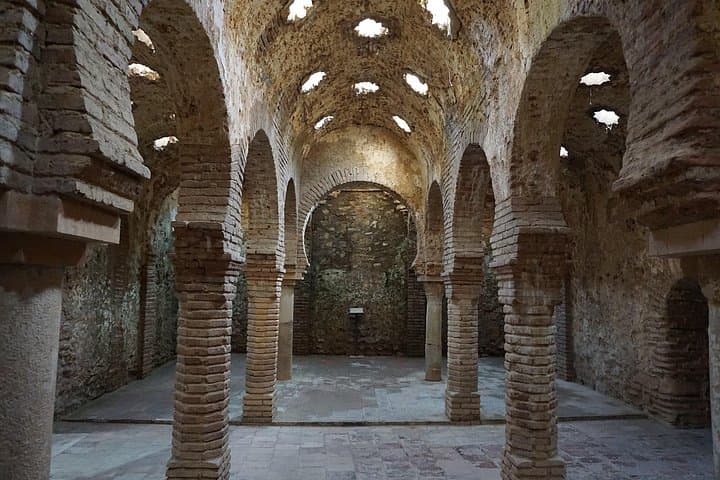
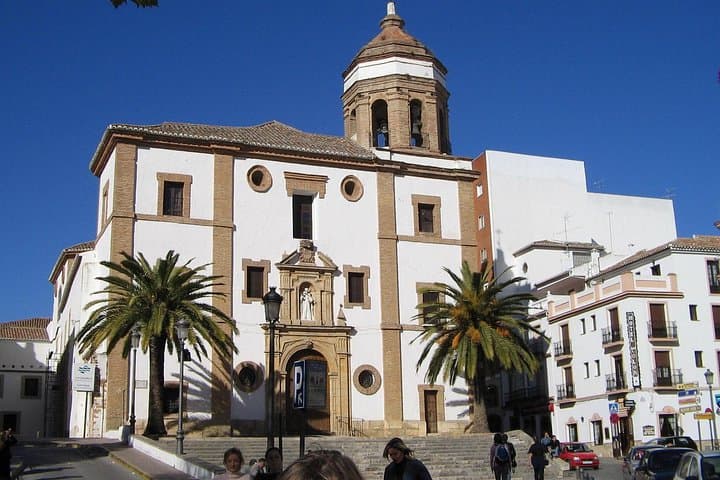
Ronda's streets bear layers of history: Phoenician footholds, extended Moorish rule, and a resurgence under Christian Spain. The Plaza de Toros—one of Spain's oldest bullrings—speaks to the cultural continuity and controversy of bullfighting; nearby, the Church of Santa María shows Renaissance and baroque reworking of an original mosque. Geologically, the gorge is a product of river erosion through limestone and marl, exposing vertical faces and abrupt viewpoints that photographers and hikers prize.
On a private day tour from Málaga, travelers can cover these essentials without the logistics fuss: guided time at the bridge and viewpoints, a walk through the Arab quarter’s alleys, and included entry to the bullring and Santa María. Expect cobbled streets, steep staircases (the Water Mine access is narrow and historic), and unpredictable hilltop winds. Practical prep: sturdy shoes for uneven stone, a sun layer and water in summer, and moderate pacing to allow both vistas and a café stop. The route passes small white villages—ideal for a brief roadside photo stop—and gives a compact, immersive picture of Andalusian landscape, history, and living culture.
The tour runs about 8 hours total, including round‑trip driving (roughly 1.5 hours each way) and time for sightseeing in Ronda.
Yes—the tour includes admission to Ronda’s Plaza de Toros and the on‑site museum per the itinerary.
Yes; the tour is labeled physically easy, but expect uneven cobbles and steps—bring a stroller only for flat sections and plan assistance on stairs.
Yes; itineraries typically allow a break for lunch or tapas in town—confirm timing with your guide to reserve enough time for the bullring and viewpoints.
Europe prime tours operates guided outdoor trips and adventures with an emphasis on safety, stewardship, and memorable experiences.
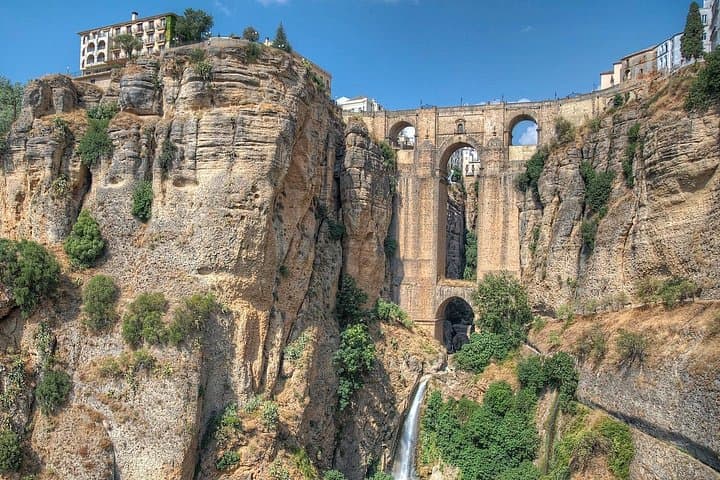
A morning drive out of Málaga unfolds across olive-silver hills and whitewashed villages until the road drops toward Ronda. The town perches on a limestone plateau split by El Tajo, a 120‑metre gorge that cleaves the city into two moods: the compact, Moorish old town and the broader, newer plazas. The Puente Nuevo frames the gap—stone arches and carved viewpoints that make the valley and the river below feel audaciously close.
A morning drive out of Málaga unfolds across olive-silver hills and whitewashed villages until the road drops toward Ronda. The town perches on a limestone plateau split by El Tajo, a 120‑metre gorge that cleaves the city into two moods: the compact, Moorish old town and the broader, newer plazas. The Puente Nuevo frames the gap—stone arches and carved viewpoints that make the valley and the river below feel audaciously close.
Ronda's streets bear layers of history: Phoenician footholds, extended Moorish rule, and a resurgence under Christian Spain. The Plaza de Toros—one of Spain's oldest bullrings—speaks to the cultural continuity and controversy of bullfighting; nearby, the Church of Santa María shows Renaissance and baroque reworking of an original mosque. Geologically, the gorge is a product of river erosion through limestone and marl, exposing vertical faces and abrupt viewpoints that photographers and hikers prize.
On a private day tour from Málaga, travelers can cover these essentials without the logistics fuss: guided time at the bridge and viewpoints, a walk through the Arab quarter’s alleys, and included entry to the bullring and Santa María. Expect cobbled streets, steep staircases (the Water Mine access is narrow and historic), and unpredictable hilltop winds. Practical prep: sturdy shoes for uneven stone, a sun layer and water in summer, and moderate pacing to allow both vistas and a café stop. The route passes small white villages—ideal for a brief roadside photo stop—and gives a compact, immersive picture of Andalusian landscape, history, and living culture.