THE ADVENTURE COLLECTIVE® · Independent discovery and booking for outdoor travel

Walk the rim of Ronda’s dramatic gorge with a licensed local guide who brings the town’s bridges, bullring and Arab baths to life. This private 3-hour tour blends geology, history and local insight with practical tips for photographers and families.
Walk the rim of Ronda’s dramatic gorge with a licensed local guide who brings the town’s bridges, bullring and Arab baths to life. This private 3-hour tour blends geology, history and local insight with practical tips for photographers and families.
A wind comes up from the gorge before you see the bridge: El Tajo exhales cool air through the chasm, and the New Bridge rises three hundred feet above a river that has cut white limestone cleanly over millennia.
Verified experiences and guided adventures in the surrounding area.
Operated by VIP tours of Ronda by Antonio Jesús Naranjo · Ronda, Andalusia
A wind comes up from the gorge before you see the bridge: El Tajo exhales cool air through the chasm, and the New Bridge rises three hundred feet above a river that has cut white limestone cleanly over millennia.
This private, three-hour walking tour moves through Ronda’s historic center with a licensed local guide who translates stones and streets into stories. You walk across the Neoclassical Puente Nuevo (1793), peer down at the river that carved the town’s dramatic gorge, and stand where Andalusian history folds — Roman foundations, Moorish urban patterns and 18th-century reforms all visible in the same block.
Ronda’s identity is equal parts geology and culture: limestone cliffs and narrow alleys shaped defense, agriculture and the rhythms of bullfighting—this town is often called the cradle of modern corrida. Stops commonly include the Plaza de Toros (one of the oldest still in use), the layered cathedral with its upper gallery views, the walled Arab baths, and stately manor houses with gardens that open toward the gorge.
Practical edge: the guide meets at the bull statue outside the bullring; the route includes steep streets and some stair climbs, and many interior sites require separate entrance fees. The tour is private and adaptable—good for photographers, families, and anyone wanting context beyond plaques. Dress in comfortable walking shoes, bring a refillable water bottle and sun protection in summer, and allow time for optional museum or bullring entry. Reservations often offer free cancellation 24 hours prior.
Expect an informed, paced walk that couples vivid local anecdotes with tangible logistics—exactly what helps a visit turn into understanding.
The meeting point is the statue of the bull outside Ronda’s bullring; the tour returns there at the end.
No; visits to the bullring, museum houses and Arab baths are optional and require separate tickets.
The tour is broadly accessible on flat streets, but some monuments and viewpoints require steps and may not be wheelchair accessible.
Yes; as a private tour the guide can adjust pace and focus to suit photographers, families with children, or specific interests.
VIP tours of Ronda by Antonio Jesús Naranjo operates guided outdoor trips and adventures with an emphasis on safety, stewardship, and memorable experiences.
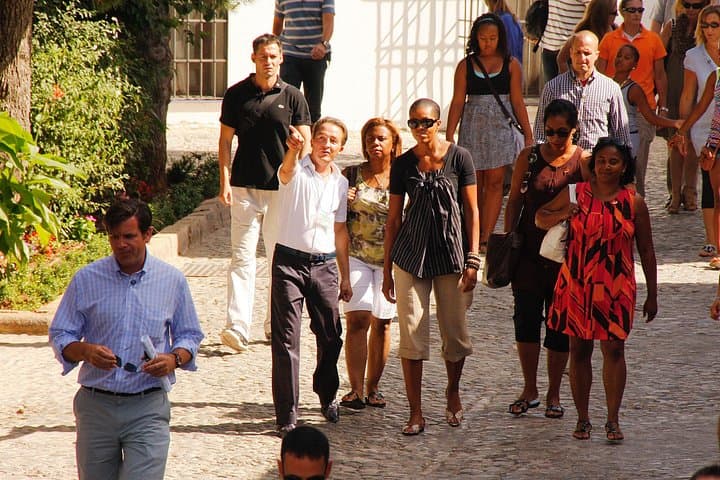


A wind comes up from the gorge before you see the bridge: El Tajo exhales cool air through the chasm, and the New Bridge rises three hundred feet above a river that has cut white limestone cleanly over millennia.
A wind comes up from the gorge before you see the bridge: El Tajo exhales cool air through the chasm, and the New Bridge rises three hundred feet above a river that has cut white limestone cleanly over millennia.
This private, three-hour walking tour moves through Ronda’s historic center with a licensed local guide who translates stones and streets into stories. You walk across the Neoclassical Puente Nuevo (1793), peer down at the river that carved the town’s dramatic gorge, and stand where Andalusian history folds — Roman foundations, Moorish urban patterns and 18th-century reforms all visible in the same block.
Ronda’s identity is equal parts geology and culture: limestone cliffs and narrow alleys shaped defense, agriculture and the rhythms of bullfighting—this town is often called the cradle of modern corrida. Stops commonly include the Plaza de Toros (one of the oldest still in use), the layered cathedral with its upper gallery views, the walled Arab baths, and stately manor houses with gardens that open toward the gorge.
Practical edge: the guide meets at the bull statue outside the bullring; the route includes steep streets and some stair climbs, and many interior sites require separate entrance fees. The tour is private and adaptable—good for photographers, families, and anyone wanting context beyond plaques. Dress in comfortable walking shoes, bring a refillable water bottle and sun protection in summer, and allow time for optional museum or bullring entry. Reservations often offer free cancellation 24 hours prior.
Expect an informed, paced walk that couples vivid local anecdotes with tangible logistics—exactly what helps a visit turn into understanding.