THE ADVENTURE COLLECTIVE® · Independent discovery and booking for outdoor travel

A quieter northeastern approach to Kilimanjaro, the Rongai route trades crowds for steady grades, diverse ecosystems and a dawn summit at Gilman’s Point. This seven-day trek balances altitude acclimatization with practical logistics—perfect for climbers who want a less hectic path to Uhuru Peak.
A quieter northeastern approach to Kilimanjaro, the Rongai route trades crowds for steady grades, diverse ecosystems and a dawn summit at Gilman’s Point. This seven-day trek balances altitude acclimatization with practical logistics—perfect for climbers who want a less hectic path to Uhuru Peak.
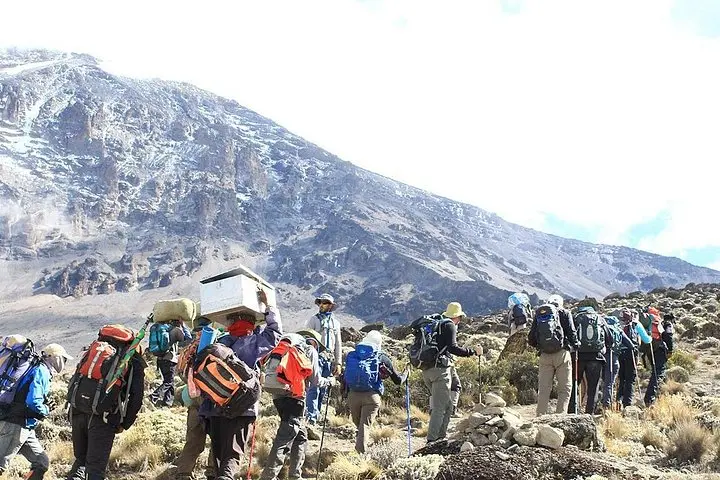
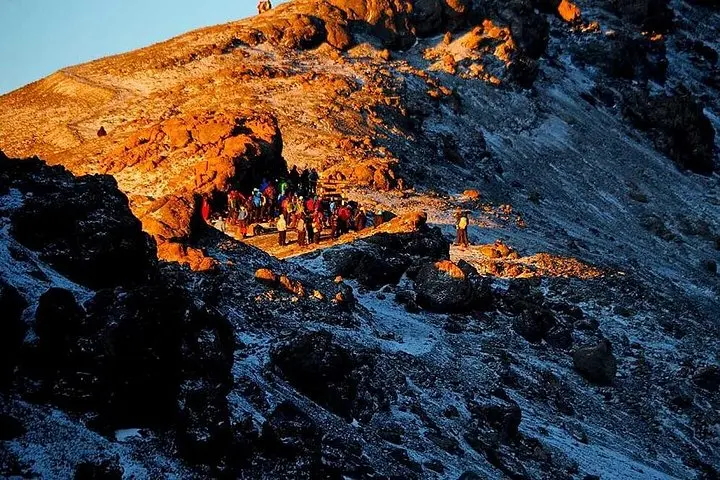
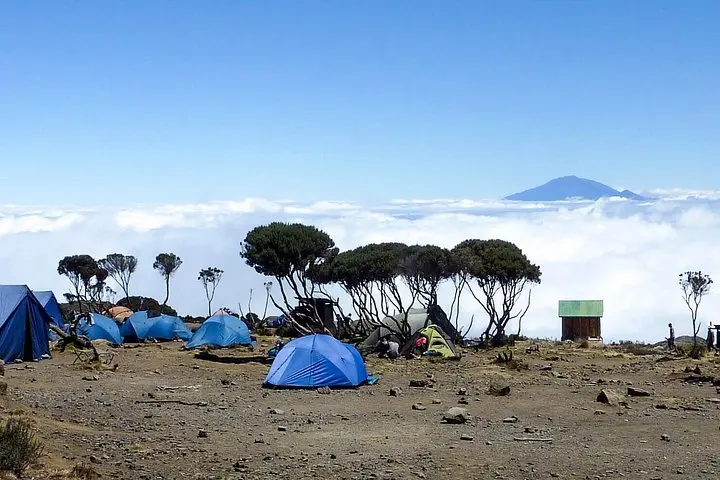
The first light comes while the team is still wrapped in sleeping bags—breath visible, tents pitched on a slope that looks out toward the ragged silhouette of Kibo. On the Rongai route the mountain greets climbers from the northeast; the trail begins in cultivated foothills, pushes through cool, mosquito-brushed forests, opens into high moorland and then strips bare into an alpine desert where wind and stone decide the rhythm of the day. Guides set the pace here—steady, conservative, altitudes respected—and by the time the group stands at Gilman’s Point the sun has edged the rim and the remaining glacier cliffs glow like metal.
Verified experiences and guided adventures in the surrounding area.
Operated by Gracepatt Safaris · Moshi, Kilimanjaro
The first light comes while the team is still wrapped in sleeping bags—breath visible, tents pitched on a slope that looks out toward the ragged silhouette of Kibo. On the Rongai route the mountain greets climbers from the northeast; the trail begins in cultivated foothills, pushes through cool, mosquito-brushed forests, opens into high moorland and then strips bare into an alpine desert where wind and stone decide the rhythm of the day. Guides set the pace here—steady, conservative, altitudes respected—and by the time the group stands at Gilman’s Point the sun has edged the rim and the remaining glacier cliffs glow like metal.
Geology and history are part of every step. Kilimanjaro is a dormant stratovolcano made of three cones—Kibo, Mawenzi and Shira—shaped by eruptions millions of years ago. The Rongai route approaches Kibo from the Kenyan border, historically less trafficked and therefore quieter than southern routes. The Chagga people who farm the lower slopes have long treated the mountain as a living presence; their villages at the base are where porters and guides are recruited and where cultural hospitality begins the climb.
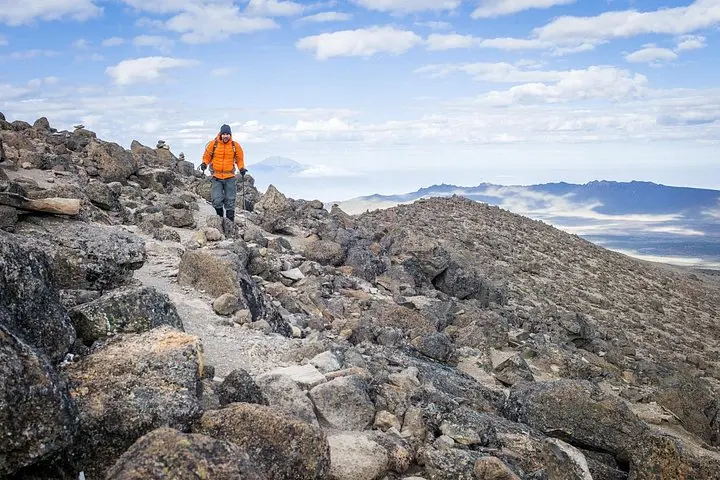
The itinerary in this 7-day trip moves from Nale Moru (about 1,950 m) to First Cave (≈2,600 m), then up through Second and Third Cave camps (3,450–3,800 m), onto Kibo Hut at roughly 4,700 m before a midnight summit push to Gilman’s Point (5,681 m) and Uhuru Peak (5,896 m). Terrain changes quickly: pine forest and soft root-strewn trails give way to tussock moorland, then to loose scree and finally a rocky, wind-scoured final ascent where every step matters.
Practical Intel: allow time to acclimatize, keep pace slow and predictable, and drink consistently—altitude sickness is the real variable here. Footwear should be sturdy, broken-in boots; gaiters help in the scree. Trekking poles halve perceived effort on long ascents and protect knees on the descent. Expect long summit nights—departures around midnight, summit at sunrise—and a lengthy descent day to Horombo Camp after the summit (11–15 hours total for summit day/return).
Logistics are straightforward: park fees and levies are included; porters are provided (maximum two per client); transfers from Moshi and Nairobi are arranged. The Rongai route rewards those who want fewer crowds, cooler early-season weather and a route that saves energy by steady gains rather than steep push-and-gasp climbs. If you come prepared—slowly, warmly and respectfully—you’ll reach Africa’s rooftop with space to breathe and a view that compels a quiet, wide-eyed pause.
No—this is a high-altitude trek, not a technical climb; crampons or ice axes are not required under normal conditions, but guides will advise if glacier travel near the summit necessitates extra gear.
Summit night is long and cold: expect a midnight start, 6–8 hours to Gilman’s Point and up to three additional hours to Uhuru, then a lengthy descent—good pacing and warm layers are essential.
Yes—this itinerary lists park entrance fees and government levies as included in the package.
Fit beginners can succeed with proper preparation and acclimatization, but prior multi-day trekking experience improves safety and enjoyment.
Travelers should carry passports and ensure routine vaccinations are current; check Tanzania entry requirements and recommended vaccines with a travel clinic before departure.
Most days feature 3–5 hours of walking; the summit day is the outlier with 11–15 hours including ascent and descent.
Gracepatt Safaris operates guided outdoor trips and adventures with an emphasis on safety, stewardship, and memorable experiences.
The first light comes while the team is still wrapped in sleeping bags—breath visible, tents pitched on a slope that looks out toward the ragged silhouette of Kibo. On the Rongai route the mountain greets climbers from the northeast; the trail begins in cultivated foothills, pushes through cool, mosquito-brushed forests, opens into high moorland and then strips bare into an alpine desert where wind and stone decide the rhythm of the day. Guides set the pace here—steady, conservative, altitudes respected—and by the time the group stands at Gilman’s Point the sun has edged the rim and the remaining glacier cliffs glow like metal.
The first light comes while the team is still wrapped in sleeping bags—breath visible, tents pitched on a slope that looks out toward the ragged silhouette of Kibo. On the Rongai route the mountain greets climbers from the northeast; the trail begins in cultivated foothills, pushes through cool, mosquito-brushed forests, opens into high moorland and then strips bare into an alpine desert where wind and stone decide the rhythm of the day. Guides set the pace here—steady, conservative, altitudes respected—and by the time the group stands at Gilman’s Point the sun has edged the rim and the remaining glacier cliffs glow like metal.
Geology and history are part of every step. Kilimanjaro is a dormant stratovolcano made of three cones—Kibo, Mawenzi and Shira—shaped by eruptions millions of years ago. The Rongai route approaches Kibo from the Kenyan border, historically less trafficked and therefore quieter than southern routes. The Chagga people who farm the lower slopes have long treated the mountain as a living presence; their villages at the base are where porters and guides are recruited and where cultural hospitality begins the climb.
The itinerary in this 7-day trip moves from Nale Moru (about 1,950 m) to First Cave (≈2,600 m), then up through Second and Third Cave camps (3,450–3,800 m), onto Kibo Hut at roughly 4,700 m before a midnight summit push to Gilman’s Point (5,681 m) and Uhuru Peak (5,896 m). Terrain changes quickly: pine forest and soft root-strewn trails give way to tussock moorland, then to loose scree and finally a rocky, wind-scoured final ascent where every step matters.
Practical Intel: allow time to acclimatize, keep pace slow and predictable, and drink consistently—altitude sickness is the real variable here. Footwear should be sturdy, broken-in boots; gaiters help in the scree. Trekking poles halve perceived effort on long ascents and protect knees on the descent. Expect long summit nights—departures around midnight, summit at sunrise—and a lengthy descent day to Horombo Camp after the summit (11–15 hours total for summit day/return).
Logistics are straightforward: park fees and levies are included; porters are provided (maximum two per client); transfers from Moshi and Nairobi are arranged. The Rongai route rewards those who want fewer crowds, cooler early-season weather and a route that saves energy by steady gains rather than steep push-and-gasp climbs. If you come prepared—slowly, warmly and respectfully—you’ll reach Africa’s rooftop with space to breathe and a view that compels a quiet, wide-eyed pause.