THE ADVENTURE COLLECTIVE® · Independent discovery and booking for outdoor travel

Take the Rongai Route to Kilimanjaro for a quieter, north-side ascent through forests, moorland and the saddle between Mawenzi and Kibo. This 7-day itinerary favors acclimatization and remote terrain, culminating in a midnight summit push to Uhuru Peak.
Take the Rongai Route to Kilimanjaro for a quieter, north-side ascent through forests, moorland and the saddle between Mawenzi and Kibo. This 7-day itinerary favors acclimatization and remote terrain, culminating in a midnight summit push to Uhuru Peak.
You step out of the Land Cruiser at Nale Moru and the mountain takes over — not the postcard Kilimanjaro you saw online, but a slow, climbing presence that widens as you ascend: pine, then moorland, then the cold, lunar saddle between Mawenzi and Kibo. The Rongai Route approaches Kilimanjaro from the seldom-traveled north, close enough to Kenya that the plains open into a broad, far view. On day one the trail threads through farmland and forest; by day five all that remains is rock, scree and the eastern ice fields bright against the crater.
Verified experiences and guided adventures in the surrounding area.
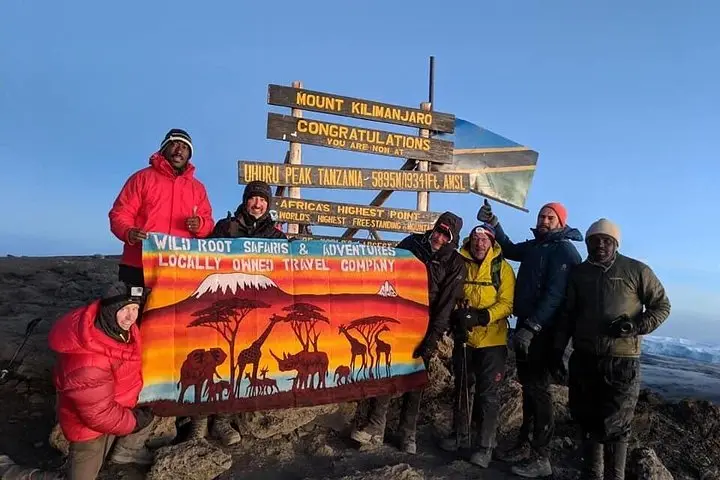
Operated by Wild Root Safaris and Adventures · Moshi, Kilimanjaro Region
You step out of the Land Cruiser at Nale Moru and the mountain takes over — not the postcard Kilimanjaro you saw online, but a slow, climbing presence that widens as you ascend: pine, then moorland, then the cold, lunar saddle between Mawenzi and Kibo. The Rongai Route approaches Kilimanjaro from the seldom-traveled north, close enough to Kenya that the plains open into a broad, far view. On day one the trail threads through farmland and forest; by day five all that remains is rock, scree and the eastern ice fields bright against the crater.
The route’s history is part practical, part political: Rongai grew as an alternative to the busier southern tracks, used by guides seeking gentler gradients and drier microclimates during the rains. Geologically you're walking an extinct stratovolcano: Mawenzi’s jagged towers are a remnant flank, Kibo’s peak capped in ancient ice. Culturally the climb touches Chagga farmland and coffee terraces near Moshi, and porters and guides bring decades of mountain knowledge — including Hans Meyer’s legacy as one of the first Europeans to reach the summit in the late 19th century.
Terrain and itinerary are straightforward but demanding. Total distance across the week covers about 60–70 km with day stages averaging 5–22 km; camps rise from roughly 1,990 m at Nale Moru to Kibo Hut at 4,700 m and finally Uhuru Peak at 5,895 m. Expect forest tracks, grassy moorland, rocky slopes and the high-altitude saddle of loose volcanic scree. The summit push begins around midnight from Kibo Hut: a 12–15 hour day that gains nearly 1,200 m to Gillman’s Point and on to Uhuru Peak before a long descent to Horombo and out via Marangu.
Practical edge: acclimatization is the single most important factor for success. The Rongai itinerary builds in extra nights to help your body adjust — use them. Hydrate religiously (1–3 liters/day at lower camps, more on summit day), eat calorie-dense meals provided by the crew, and pace yourself on the final ascent: small steps, steady breathing, and frequent short rests. Footwear should be stiff-soled, waterproof boots with good ankle support; gaiters help against scree. Layering is essential — freezing winds at 5,000+ m can change a comfortable morning into a dangerous night. Nighttime summit starts require headlamps with fresh batteries and an insulated down jacket.
Logistics: most operators include airport pickup, tents, cook staff and permits; you’ll likely overnight in Arusha or Moshi before and after. Weather windows favor January–March and June–October. Respect park rules: stick to trails, minimize waste, and tip porters fairly — they make the climb possible.
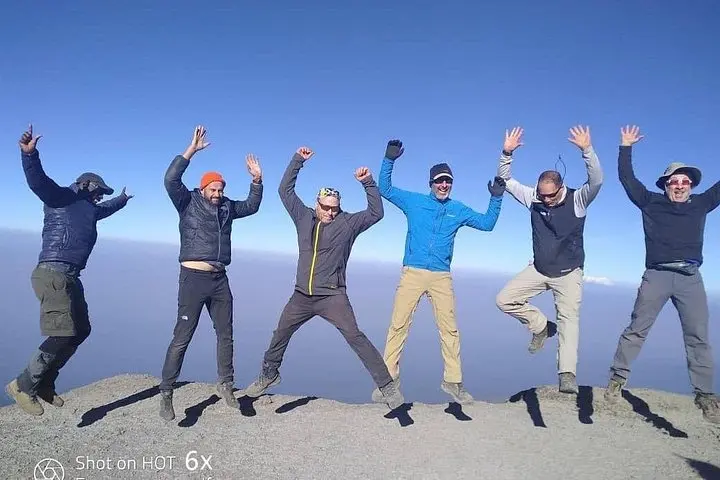
In short, the Rongai Route is quieter, slightly gentler on the knees uphill, and offers a northern perspective on Africa’s highest peak — a week of growing altitude, wide views, and the reward of sunrise on the crater rim.
Rongai has gentler initial gradients and less crowding, but the summit day is comparable—success depends on acclimatization and fitness, not just route choice.
No technical skills or rope work are required—the route is a non-technical trek, though stamina and high-altitude experience help.
January–March and June–October are the driest and most reliable; the north side gets somewhat less rain during the long rains.
Standard packages include guides, porters, cook staff, and four-season tents; confirm exact inclusions before booking.
Acute mountain sickness is the primary risk. Follow acclimatization days, stay hydrated, and alert guides to symptoms—descent is the main treatment.
Most operators arrange a pre- and post-climb night in Moshi or Arusha where you’ll meet guides and complete gear checks.
Wild Root Safaris and Adventures operates guided outdoor trips and adventures with an emphasis on safety, stewardship, and memorable experiences.
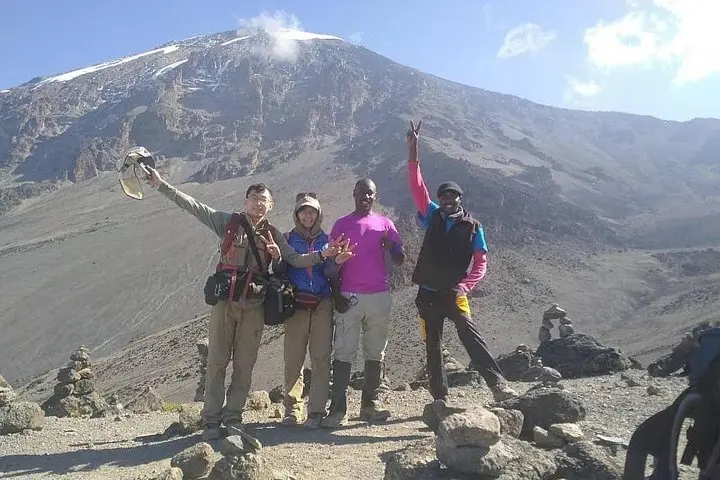
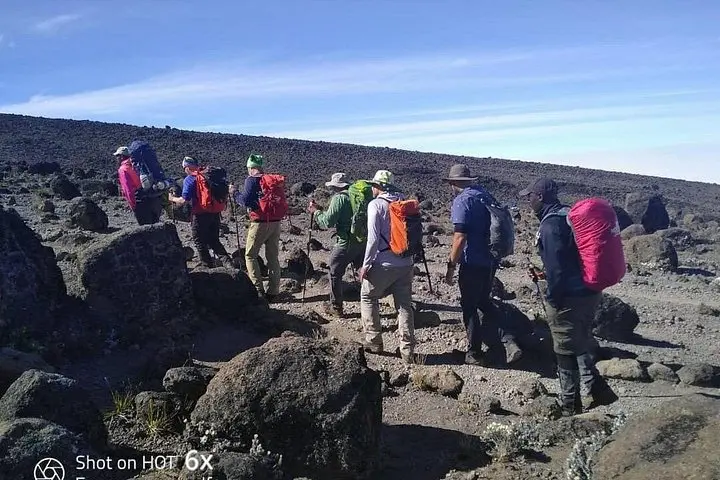
You step out of the Land Cruiser at Nale Moru and the mountain takes over — not the postcard Kilimanjaro you saw online, but a slow, climbing presence that widens as you ascend: pine, then moorland, then the cold, lunar saddle between Mawenzi and Kibo. The Rongai Route approaches Kilimanjaro from the seldom-traveled north, close enough to Kenya that the plains open into a broad, far view. On day one the trail threads through farmland and forest; by day five all that remains is rock, scree and the eastern ice fields bright against the crater.
You step out of the Land Cruiser at Nale Moru and the mountain takes over — not the postcard Kilimanjaro you saw online, but a slow, climbing presence that widens as you ascend: pine, then moorland, then the cold, lunar saddle between Mawenzi and Kibo. The Rongai Route approaches Kilimanjaro from the seldom-traveled north, close enough to Kenya that the plains open into a broad, far view. On day one the trail threads through farmland and forest; by day five all that remains is rock, scree and the eastern ice fields bright against the crater.
The route’s history is part practical, part political: Rongai grew as an alternative to the busier southern tracks, used by guides seeking gentler gradients and drier microclimates during the rains. Geologically you're walking an extinct stratovolcano: Mawenzi’s jagged towers are a remnant flank, Kibo’s peak capped in ancient ice. Culturally the climb touches Chagga farmland and coffee terraces near Moshi, and porters and guides bring decades of mountain knowledge — including Hans Meyer’s legacy as one of the first Europeans to reach the summit in the late 19th century.
Terrain and itinerary are straightforward but demanding. Total distance across the week covers about 60–70 km with day stages averaging 5–22 km; camps rise from roughly 1,990 m at Nale Moru to Kibo Hut at 4,700 m and finally Uhuru Peak at 5,895 m. Expect forest tracks, grassy moorland, rocky slopes and the high-altitude saddle of loose volcanic scree. The summit push begins around midnight from Kibo Hut: a 12–15 hour day that gains nearly 1,200 m to Gillman’s Point and on to Uhuru Peak before a long descent to Horombo and out via Marangu.
Practical edge: acclimatization is the single most important factor for success. The Rongai itinerary builds in extra nights to help your body adjust — use them. Hydrate religiously (1–3 liters/day at lower camps, more on summit day), eat calorie-dense meals provided by the crew, and pace yourself on the final ascent: small steps, steady breathing, and frequent short rests. Footwear should be stiff-soled, waterproof boots with good ankle support; gaiters help against scree. Layering is essential — freezing winds at 5,000+ m can change a comfortable morning into a dangerous night. Nighttime summit starts require headlamps with fresh batteries and an insulated down jacket.
Logistics: most operators include airport pickup, tents, cook staff and permits; you’ll likely overnight in Arusha or Moshi before and after. Weather windows favor January–March and June–October. Respect park rules: stick to trails, minimize waste, and tip porters fairly — they make the climb possible.
In short, the Rongai Route is quieter, slightly gentler on the knees uphill, and offers a northern perspective on Africa’s highest peak — a week of growing altitude, wide views, and the reward of sunrise on the crater rim.