THE ADVENTURE COLLECTIVE® · Independent discovery and booking for outdoor travel

Take the northern Rongai approach for a quieter, five-night climb to Kilimanjaro’s Uhuru Peak. This 6-day itinerary balances steady ascents, essential acclimatization and a pre-dawn summit push across high volcanic saddle.
Take the northern Rongai approach for a quieter, five-night climb to Kilimanjaro’s Uhuru Peak. This 6-day itinerary balances steady ascents, essential acclimatization and a pre-dawn summit push across high volcanic saddle.
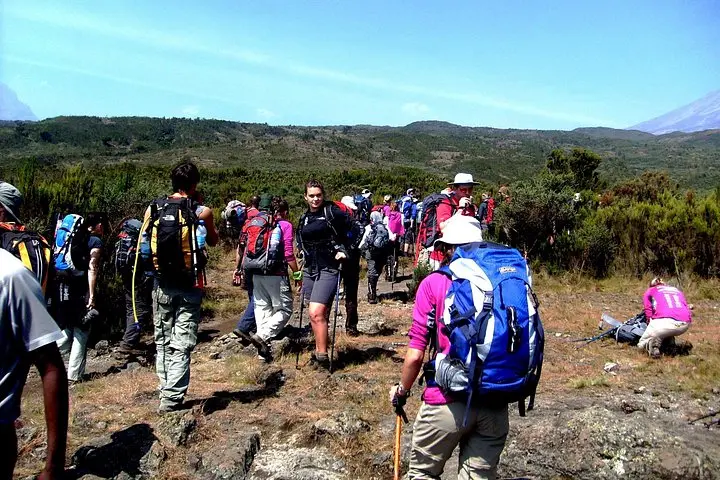
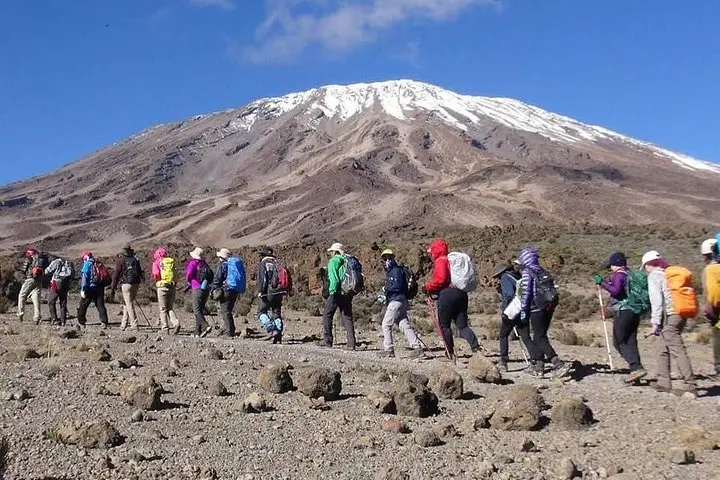
Before first light you will find yourself walking through maize fields, headlamp beams skipping off wet leaves as the trail climbs away from Nale Moru village toward pine forest. On the Rongai (Loitokitok/Nalemoru) approach the mountain opens from the quieter northern flank: forest gives way to moorland, then a wide, high saddle between Mawenzi and Kibo where wind and lunar rock claim the terrain.
Verified experiences and guided adventures in the surrounding area.
Operated by Migration Venture Africa Ltd · Moshi, Kilimanjaro Region
Before first light you will find yourself walking through maize fields, headlamp beams skipping off wet leaves as the trail climbs away from Nale Moru village toward pine forest. On the Rongai (Loitokitok/Nalemoru) approach the mountain opens from the quieter northern flank: forest gives way to moorland, then a wide, high saddle between Mawenzi and Kibo where wind and lunar rock claim the terrain.
The route follows a northern access that historically varied in name but consistently reveals Kilimanjaro’s volcanic story: Kibo’s summit cone is the dormant crater that once erupted millions of years ago, while the Mawenzi spire is a rugged remnant of older lava flows. The climb threads local culture as well — Chagga villages below and the small porter communities who keep the huts and camps running.
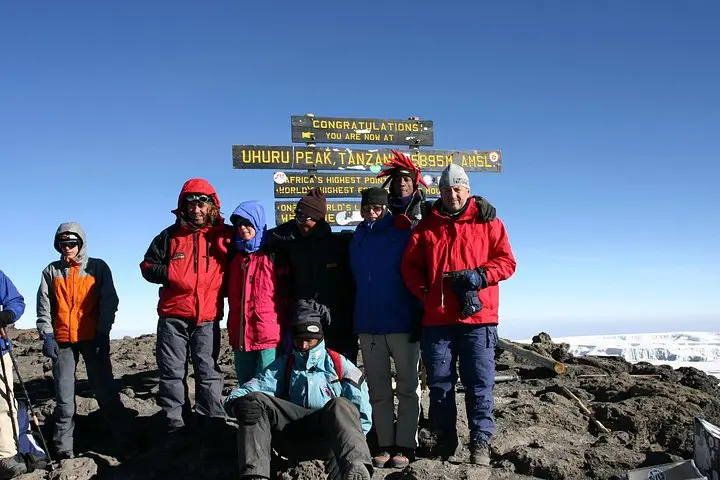
Expect steady ascents each day: short 3–4 hour walks early on, building to the summit push from Kibo Hut around 1:00 a.m. that reaches Gilman’s Point (5,685 m) and Uhuru Peak (5,895 m) at sunrise. Terrain shifts from packed forest paths to tussock grass, then to scree and volcanic gravel on the way up; the saddle is exposed and can be windy and cold.
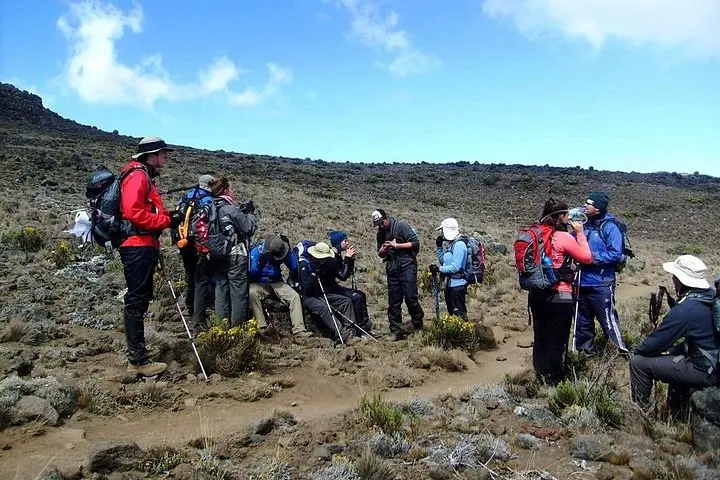
Practical edge: pace conservatively for altitude, layer for rapid temperature swings, and plan for wet conditions in the rainforest stages. Carry a lightweight waterproof, a warm sleeping bag rated for sub-zero, and practice using trekking poles before the summit attempt. With acclimatization and a steady rhythm, the Rongai route rewards you with quieter trails and sweeping views of the Kenyan plains as you push for the roof of Africa.
No technical skills are required; the route is non-technical trekking, but high-altitude endurance and proper acclimatization are essential.
A 6-day itinerary balances acclimatization with summit push and generally yields higher success than 5-day itineraries, but success varies with fitness, weather, and altitude response.
Standard packages typically include park fees, camping equipment, meals and crew, but confirm specifics with the operator before booking.
Guides monitor symptoms closely, adjust pace, use acclimatization hikes, and will descend if severe signs appear; carry personal medications and communicate symptoms early.
Migration Venture Africa Ltd operates guided outdoor trips and adventures with an emphasis on safety, stewardship, and memorable experiences.
Before first light you will find yourself walking through maize fields, headlamp beams skipping off wet leaves as the trail climbs away from Nale Moru village toward pine forest. On the Rongai (Loitokitok/Nalemoru) approach the mountain opens from the quieter northern flank: forest gives way to moorland, then a wide, high saddle between Mawenzi and Kibo where wind and lunar rock claim the terrain.
Before first light you will find yourself walking through maize fields, headlamp beams skipping off wet leaves as the trail climbs away from Nale Moru village toward pine forest. On the Rongai (Loitokitok/Nalemoru) approach the mountain opens from the quieter northern flank: forest gives way to moorland, then a wide, high saddle between Mawenzi and Kibo where wind and lunar rock claim the terrain.
The route follows a northern access that historically varied in name but consistently reveals Kilimanjaro’s volcanic story: Kibo’s summit cone is the dormant crater that once erupted millions of years ago, while the Mawenzi spire is a rugged remnant of older lava flows. The climb threads local culture as well — Chagga villages below and the small porter communities who keep the huts and camps running.
Expect steady ascents each day: short 3–4 hour walks early on, building to the summit push from Kibo Hut around 1:00 a.m. that reaches Gilman’s Point (5,685 m) and Uhuru Peak (5,895 m) at sunrise. Terrain shifts from packed forest paths to tussock grass, then to scree and volcanic gravel on the way up; the saddle is exposed and can be windy and cold.
Practical edge: pace conservatively for altitude, layer for rapid temperature swings, and plan for wet conditions in the rainforest stages. Carry a lightweight waterproof, a warm sleeping bag rated for sub-zero, and practice using trekking poles before the summit attempt. With acclimatization and a steady rhythm, the Rongai route rewards you with quieter trails and sweeping views of the Kenyan plains as you push for the roof of Africa.