THE ADVENTURE COLLECTIVE® · Independent discovery and booking for outdoor travel

The Rongai Route takes you to Kilimanjaro from the quiet northern approach—less crowded, immersive, and methodical about acclimatization. This seven-day plan balances high alpine travel with practical logistics, leading you to Uhuru Peak by way of Mawenzi’s stark ridges and Kibo’s lunar saddle.
The Rongai Route takes you to Kilimanjaro from the quiet northern approach—less crowded, immersive, and methodical about acclimatization. This seven-day plan balances high alpine travel with practical logistics, leading you to Uhuru Peak by way of Mawenzi’s stark ridges and Kibo’s lunar saddle.
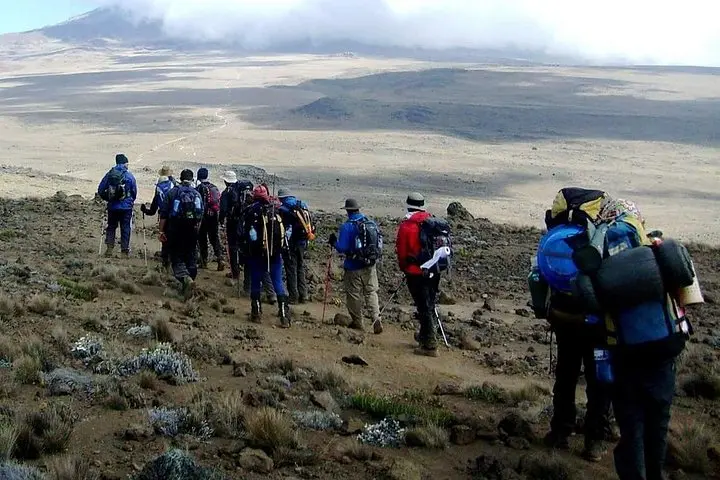
The wind at 4,300 meters carries a sharp, mineral scent: volcanic dust stirred from the saddle between Mawenzi and Kibo. You step out of camp at Mawenzi Tarn and the mountain opens—an amphitheater of serrated ridges and a slab of ice that refuses to melt. Below, the forest you passed on day two hums with life; above, the air thins and feels like a soft, insistent pulse urging every step upward.
Verified experiences and guided adventures in the surrounding area.
Operated by majali.tours · Moshi, Kilimanjaro Region
The wind at 4,300 meters carries a sharp, mineral scent: volcanic dust stirred from the saddle between Mawenzi and Kibo. You step out of camp at Mawenzi Tarn and the mountain opens—an amphitheater of serrated ridges and a slab of ice that refuses to melt. Below, the forest you passed on day two hums with life; above, the air thins and feels like a soft, insistent pulse urging every step upward.
The Rongai Route doesn’t approach Kilimanjaro from the usual crowded south: it comes in from the north, a quieter track that starts near the Kenyan border. Historically, this path was less trafficked because its northern gate—Nalemuru—is remote. That solitude preserves pockets of montane forest populated by blue monkeys and colobus; higher up, the landscape flips to giant heather and the lunar gravel of the saddle, then to the hard, blue ice of Kibo. The summit—Uhuru Peak—was first reached by Hans Meyer and Ludwig Purtscheller in 1889; local Chagga communities have long known the mountain as a place of weather and water, shaping settlements on the lower slopes.
Geology is visible at a glance: Kilimanjaro is a stratovolcanic compound with Mawenzi’s jagged spires like a broken crown and Kibo’s wide, glaciated dome at the center. Culturally, Moshi is your launchpad—markets, coffee farms, and guide services that steward the porters and local economy. Conservation rules regulate human waste and camping zones; ranger checkpoints at Nalemuru and Marangu gate enforce permits and park fees.
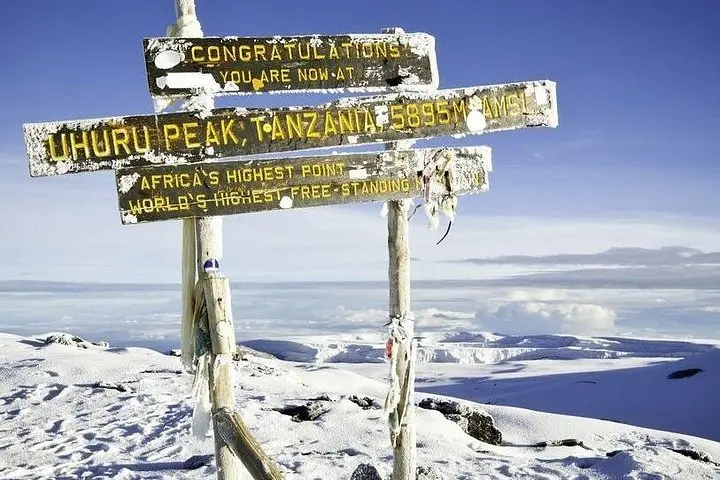
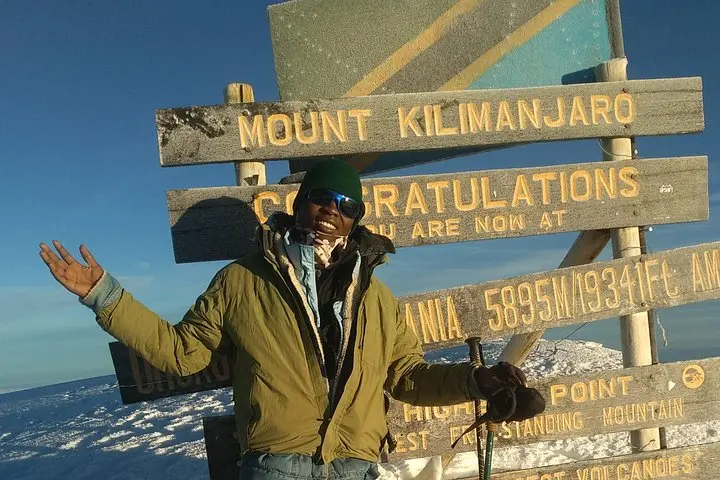
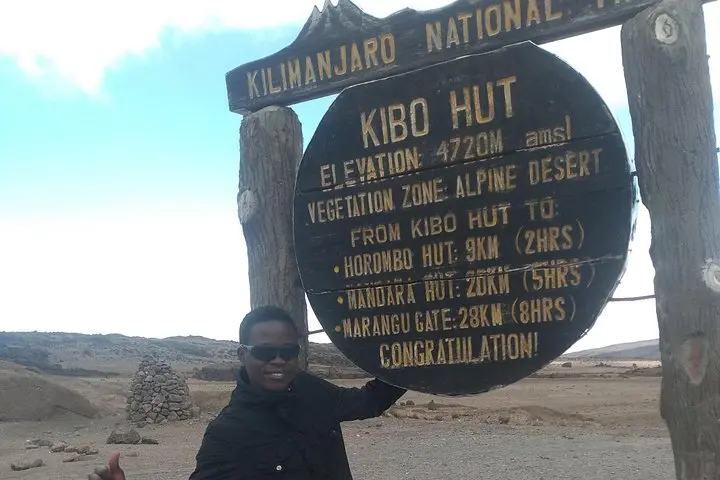
Practically, the Rongai itinerary moves deliberately for acclimatization: expect daily gains from 2,020 m at Nalemuru to 2,625 m at Simba Camp, then steady climbs to 3,630 m at Kikelewa and a high camp near 4,330 m at Mawenzi Tarn. The schedule includes an acclimatization hike to Mawenzi Ridge before the final push across the saddle to Kibo Huts and the pre-dawn summit effort to Gilman’s Point and Uhuru Peak (5,895 m). Typical hiking days range from 3–7 hours; summit night is 6–8 hours up and several hours down.
Tips for planning: train with long hikes and back-to-back days carrying a daypack, prioritize layered clothing and a high-quality sleeping bag rated to -10°C, and hydrate obsessively—altitude drains liquids. Respect your guides: they monitor everyone’s condition and decide turnback points. Budget for porter tips and a rest day in Moshi before departure to recover. Rongai rewards patience: the northern exposure often leaves you with clear summit views and a quieter trail, and the crater ice feels like something out of a different world as you stand at Africa’s highest point.
Rongai is less steep on average and less crowded than the southern routes, but altitude and summit night still make it a demanding climb—expect challenging high-altitude days.
Yes—Kilimanjaro National Park permits and park fees are required and are handled by your operator; rangers check permits at Nalemuru and Marangu gates.
June–October and December–February are generally the driest and clearest months, offering the best summit visibility.
Acclimatization days are built into the schedule, but symptoms can still occur—your guide will monitor you and may advise descent if severe symptoms appear.
Tipping is customary: plan roughly $10–20 per day for guides and $5–10 per day for porters, adjusted to group size and service quality.
Yes—Moshi has several reputable outfitters for sleeping bags, down jackets, and crampons; inspect gear quality before accepting rentals.
majali.tours operates guided outdoor trips and adventures with an emphasis on safety, stewardship, and memorable experiences.
The wind at 4,300 meters carries a sharp, mineral scent: volcanic dust stirred from the saddle between Mawenzi and Kibo. You step out of camp at Mawenzi Tarn and the mountain opens—an amphitheater of serrated ridges and a slab of ice that refuses to melt. Below, the forest you passed on day two hums with life; above, the air thins and feels like a soft, insistent pulse urging every step upward.
The wind at 4,300 meters carries a sharp, mineral scent: volcanic dust stirred from the saddle between Mawenzi and Kibo. You step out of camp at Mawenzi Tarn and the mountain opens—an amphitheater of serrated ridges and a slab of ice that refuses to melt. Below, the forest you passed on day two hums with life; above, the air thins and feels like a soft, insistent pulse urging every step upward.
The Rongai Route doesn’t approach Kilimanjaro from the usual crowded south: it comes in from the north, a quieter track that starts near the Kenyan border. Historically, this path was less trafficked because its northern gate—Nalemuru—is remote. That solitude preserves pockets of montane forest populated by blue monkeys and colobus; higher up, the landscape flips to giant heather and the lunar gravel of the saddle, then to the hard, blue ice of Kibo. The summit—Uhuru Peak—was first reached by Hans Meyer and Ludwig Purtscheller in 1889; local Chagga communities have long known the mountain as a place of weather and water, shaping settlements on the lower slopes.
Geology is visible at a glance: Kilimanjaro is a stratovolcanic compound with Mawenzi’s jagged spires like a broken crown and Kibo’s wide, glaciated dome at the center. Culturally, Moshi is your launchpad—markets, coffee farms, and guide services that steward the porters and local economy. Conservation rules regulate human waste and camping zones; ranger checkpoints at Nalemuru and Marangu gate enforce permits and park fees.
Practically, the Rongai itinerary moves deliberately for acclimatization: expect daily gains from 2,020 m at Nalemuru to 2,625 m at Simba Camp, then steady climbs to 3,630 m at Kikelewa and a high camp near 4,330 m at Mawenzi Tarn. The schedule includes an acclimatization hike to Mawenzi Ridge before the final push across the saddle to Kibo Huts and the pre-dawn summit effort to Gilman’s Point and Uhuru Peak (5,895 m). Typical hiking days range from 3–7 hours; summit night is 6–8 hours up and several hours down.
Tips for planning: train with long hikes and back-to-back days carrying a daypack, prioritize layered clothing and a high-quality sleeping bag rated to -10°C, and hydrate obsessively—altitude drains liquids. Respect your guides: they monitor everyone’s condition and decide turnback points. Budget for porter tips and a rest day in Moshi before departure to recover. Rongai rewards patience: the northern exposure often leaves you with clear summit views and a quieter trail, and the crater ice feels like something out of a different world as you stand at Africa’s highest point.