THE ADVENTURE COLLECTIVE® · Independent discovery and booking for outdoor travel

The Rongai Route offers a quieter, northern approach to Mount Kilimanjaro with gradual slopes, classic alpine moorland, and a summit push to Uhuru Peak. Ideal for hikers seeking a less crowded multi-day trek with strong support and built-in acclimatization.
The Rongai Route offers a quieter, northern approach to Mount Kilimanjaro with gradual slopes, classic alpine moorland, and a summit push to Uhuru Peak. Ideal for hikers seeking a less crowded multi-day trek with strong support and built-in acclimatization.
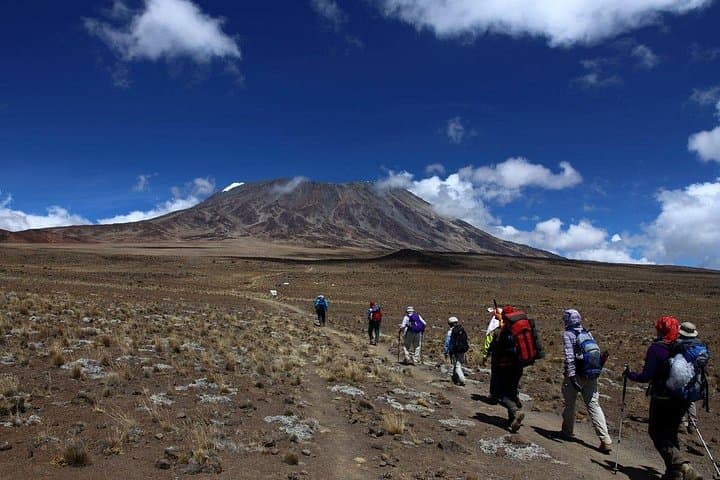
Night at the trailhead is quiet; the northern face of Kilimanjaro hints at a climb that will unfold slowly—pine forest giving way to heath, then the alien moorland of lobelia and groundsel.
Verified experiences and guided adventures in the surrounding area.
Operated by Mountain Warriors Tours and Safaris · Arusha, Arusha Region
Night at the trailhead is quiet; the northern face of Kilimanjaro hints at a climb that will unfold slowly—pine forest giving way to heath, then the alien moorland of lobelia and groundsel.
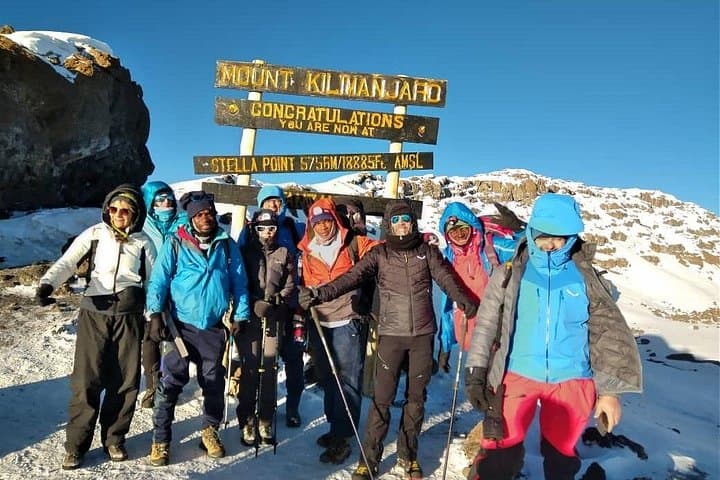
The Rongai Route approaches Kilimanjaro from the Kenyan border and is prized for its gentle angles and low crowds. Geologically the mountain is a dormant stratovolcano dominated by the Kibo cone; the route crosses rainforest, heath, alpine desert and a final rocky rim before the snow-swept summit at 5,895 m. Historically explorers and local Chagga communities have long navigated these slopes; Hans Meyer recorded the first documented summit in 1889, and today the National Park preserves both cultural sites and fragile glacial remnants.
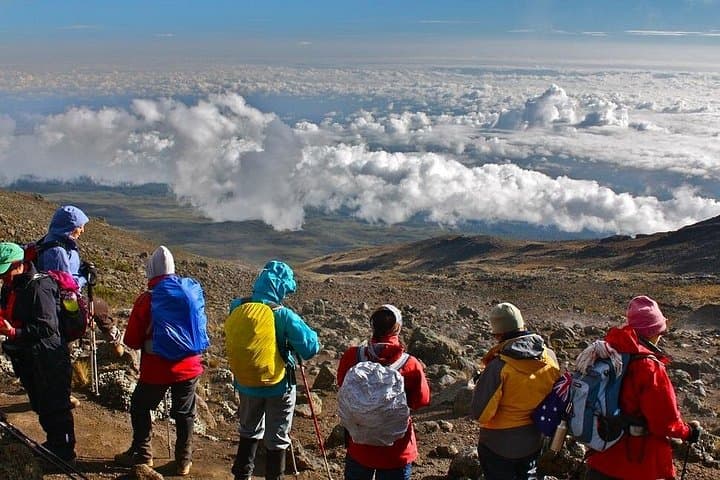
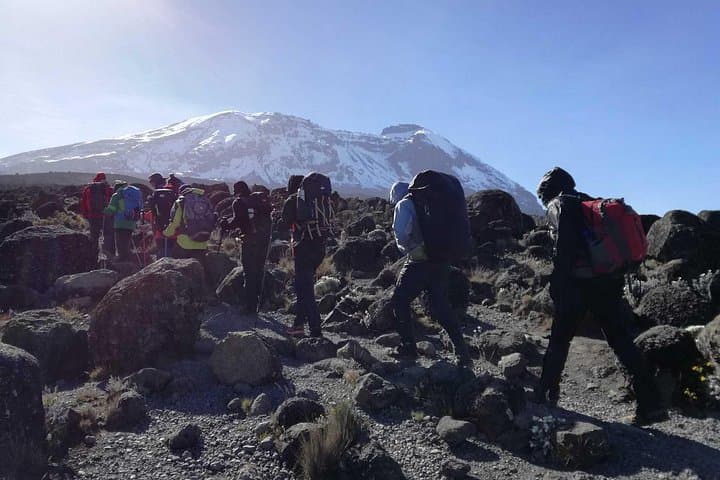
Expect true wilderness on most days: day 1 climbs ~5 miles from 1,950 m to 2,600 m through farmland into pine forest; later stages include steep, short pushes (Kikelewa to Mawenzi Tarn) and the classic nocturnal summit push from Kibo Hut via Gillman’s Point and Uhuru Peak. Weather swings quickly—sunlit warmth in the moor, bitter cold above 4,000 m—and terrain varies from packed trail to loose scree.
Practical guidance: pace for acclimatization, drink frequently (water is provided but carry a bottle), wear waterproof layers and an insulated jacket for the summit night, and use trekking poles for steeper descents. The trip is suitable for fit hikers who can tolerate long days and high altitude; the route’s gradual profile makes it one of the more forgiving ways to reach Uhuru Peak, but altitude remains the deciding factor.
Typical itineraries run 6–7 days from Rongai Gate to Marangu Gate with a summit night; daily hikes range from 3–7 hours.
No technical climbing skills are needed, but prior multi-day trekking experience and good fitness are important due to altitude and long days.
The driest windows are January–March and June–October; the north side can be better during the long rains, but weather is always variable.
Acute mountain sickness is possible for any climber; proper pacing, hydration, and the itinerary’s acclimatization profile reduce risk, but guides may recommend descending if symptoms worsen.
Mountain Warriors Tours and Safaris operates guided outdoor trips and adventures with an emphasis on safety, stewardship, and memorable experiences.
Night at the trailhead is quiet; the northern face of Kilimanjaro hints at a climb that will unfold slowly—pine forest giving way to heath, then the alien moorland of lobelia and groundsel.
Night at the trailhead is quiet; the northern face of Kilimanjaro hints at a climb that will unfold slowly—pine forest giving way to heath, then the alien moorland of lobelia and groundsel.
The Rongai Route approaches Kilimanjaro from the Kenyan border and is prized for its gentle angles and low crowds. Geologically the mountain is a dormant stratovolcano dominated by the Kibo cone; the route crosses rainforest, heath, alpine desert and a final rocky rim before the snow-swept summit at 5,895 m. Historically explorers and local Chagga communities have long navigated these slopes; Hans Meyer recorded the first documented summit in 1889, and today the National Park preserves both cultural sites and fragile glacial remnants.
Expect true wilderness on most days: day 1 climbs ~5 miles from 1,950 m to 2,600 m through farmland into pine forest; later stages include steep, short pushes (Kikelewa to Mawenzi Tarn) and the classic nocturnal summit push from Kibo Hut via Gillman’s Point and Uhuru Peak. Weather swings quickly—sunlit warmth in the moor, bitter cold above 4,000 m—and terrain varies from packed trail to loose scree.
Practical guidance: pace for acclimatization, drink frequently (water is provided but carry a bottle), wear waterproof layers and an insulated jacket for the summit night, and use trekking poles for steeper descents. The trip is suitable for fit hikers who can tolerate long days and high altitude; the route’s gradual profile makes it one of the more forgiving ways to reach Uhuru Peak, but altitude remains the deciding factor.