THE ADVENTURE COLLECTIVE® · Independent discovery and booking for outdoor travel

A six-day guided trek through the High Atlas linking Dades Gorges, M’Goun plateaus and the Valley of Roses. Expect 4–7 hour walking days, gîte and camp nights, and hands-on encounters with Berber villages and rose gardens.
A six-day guided trek through the High Atlas linking Dades Gorges, M’Goun plateaus and the Valley of Roses. Expect 4–7 hour walking days, gîte and camp nights, and hands-on encounters with Berber villages and rose gardens.
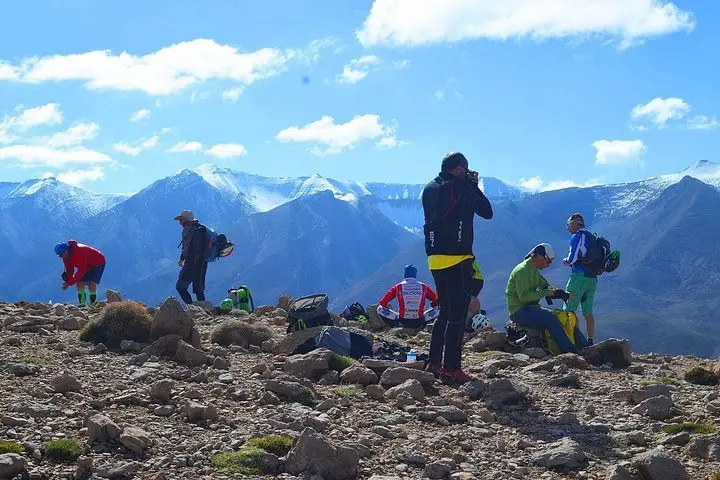
Dawn breaks over the High Atlas as the minibus curls up Tizi n’Tichka; the air sharpens, and the first ridgelines of the M’Goun massif appear like a folded map. You step out on a stony track and the landscape takes charge — rivers push you forward, rock walls channel your route, and the valley of roses opens with terraces and fragrant gardens that scent the wind.
Verified experiences and guided adventures in the surrounding area.
Operated by Smart Morocco Tours Excursions · Marrakech, Marrakesh-Safi
Dawn breaks over the High Atlas as the minibus curls up Tizi n’Tichka; the air sharpens, and the first ridgelines of the M’Goun massif appear like a folded map. You step out on a stony track and the landscape takes charge — rivers push you forward, rock walls channel your route, and the valley of roses opens with terraces and fragrant gardens that scent the wind.
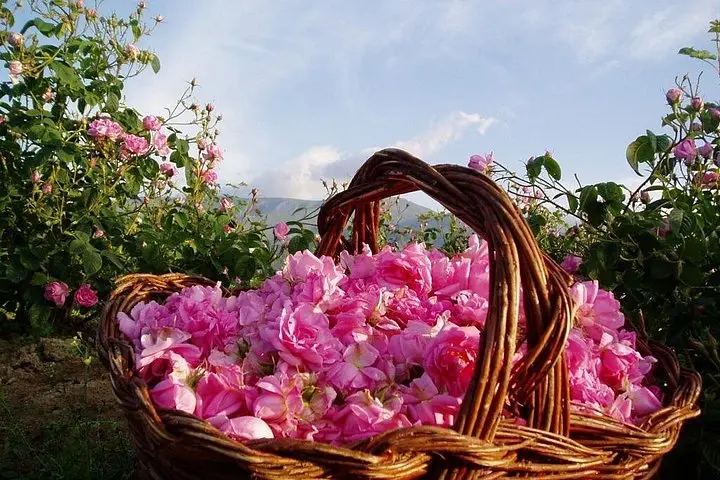
This six-day trek links Dades Gorges, the plateaus around Ighrem Akdim and Alemdoun, and the gardens of Kelaa M’Gouna. Geologically the region is a meeting of carved limestone valleys and volcanic outcrops, carved over millennia by seasonal torrents. Culturally the trail threads Berber villages and centuries-old kasbahs; locals practice terrace agriculture and distill roses each spring into precious rosewater sold in roadside stalls.
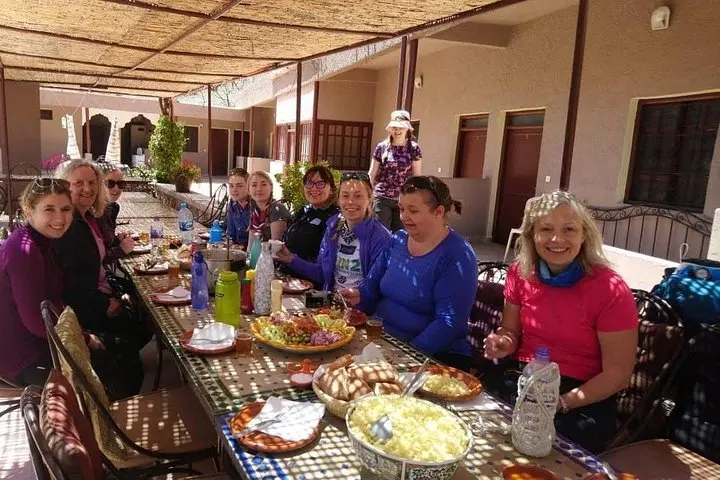
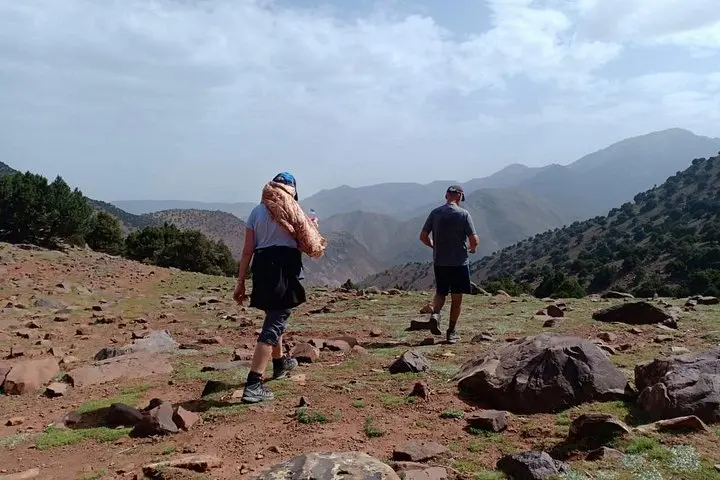
Expect structured days of walking: most stages run 4–7 hours across mixed terrain — dry stone tracks, riverbanks, and high plateaus around 1,200–1,750 m, with overnight stays in gîtes, camps or riads. Guides handle navigation, meals and luggage transfers, leaving you to focus on pacing and acclimatization.
Practical tips: wear supportive boots for rocky descents, layer for cool nights and hot midday sun, and carry at least 2–3 liters of water each day. Travel light but bring cash for small village purchases, and time the visit for April–May if you want the rose harvest. Pickup and drop-off are usually in Marrakech, making this a compact, culturally rich introduction to trekking in the High Atlas.
Most days are 4–7 hours over mixed terrain with moderate elevation change; a reasonable level of fitness and steady pace make the itinerary accessible.
Elevations typically range from ~1,200–1,750 m; altitude sickness is uncommon but take it easy on the first day and stay hydrated.
Nights alternate between local gîtes, riads or kasbahs and simple camps; expect basic but comfortable facilities and shared bathrooms at times.
Yes — bring cash for village purchases, tips and any extras; ATMs are limited in remote valleys.
Smart Morocco Tours Excursions operates guided outdoor trips and adventures with an emphasis on safety, stewardship, and memorable experiences.
Dawn breaks over the High Atlas as the minibus curls up Tizi n’Tichka; the air sharpens, and the first ridgelines of the M’Goun massif appear like a folded map. You step out on a stony track and the landscape takes charge — rivers push you forward, rock walls channel your route, and the valley of roses opens with terraces and fragrant gardens that scent the wind.
Dawn breaks over the High Atlas as the minibus curls up Tizi n’Tichka; the air sharpens, and the first ridgelines of the M’Goun massif appear like a folded map. You step out on a stony track and the landscape takes charge — rivers push you forward, rock walls channel your route, and the valley of roses opens with terraces and fragrant gardens that scent the wind.
This six-day trek links Dades Gorges, the plateaus around Ighrem Akdim and Alemdoun, and the gardens of Kelaa M’Gouna. Geologically the region is a meeting of carved limestone valleys and volcanic outcrops, carved over millennia by seasonal torrents. Culturally the trail threads Berber villages and centuries-old kasbahs; locals practice terrace agriculture and distill roses each spring into precious rosewater sold in roadside stalls.
Expect structured days of walking: most stages run 4–7 hours across mixed terrain — dry stone tracks, riverbanks, and high plateaus around 1,200–1,750 m, with overnight stays in gîtes, camps or riads. Guides handle navigation, meals and luggage transfers, leaving you to focus on pacing and acclimatization.
Practical tips: wear supportive boots for rocky descents, layer for cool nights and hot midday sun, and carry at least 2–3 liters of water each day. Travel light but bring cash for small village purchases, and time the visit for April–May if you want the rose harvest. Pickup and drop-off are usually in Marrakech, making this a compact, culturally rich introduction to trekking in the High Atlas.