THE ADVENTURE COLLECTIVE® · Independent discovery and booking for outdoor travel

This 10 km trek from Roses Valley into the Mgoune Valley blends fragrant rose fields, mud‑brick kasbahs, and hidden granary caves in a four‑hour cultural walk. Ideal in spring for the bloom, the route offers gentle climbs, river views, and close encounters with Berber village life.
This 10 km trek from Roses Valley into the Mgoune Valley blends fragrant rose fields, mud‑brick kasbahs, and hidden granary caves in a four‑hour cultural walk. Ideal in spring for the bloom, the route offers gentle climbs, river views, and close encounters with Berber village life.
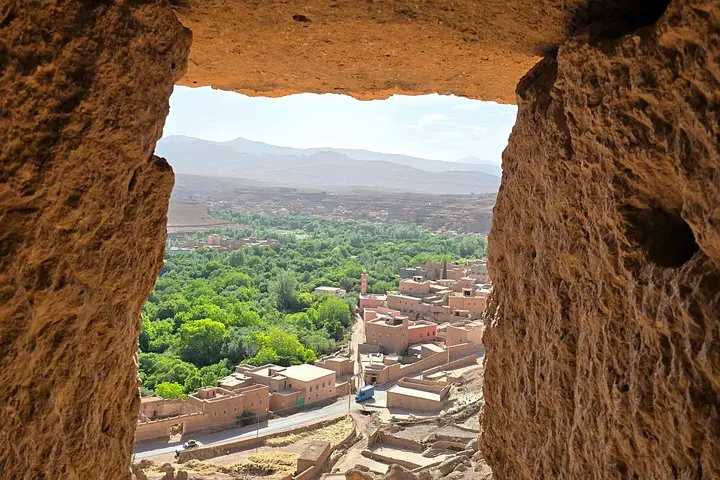
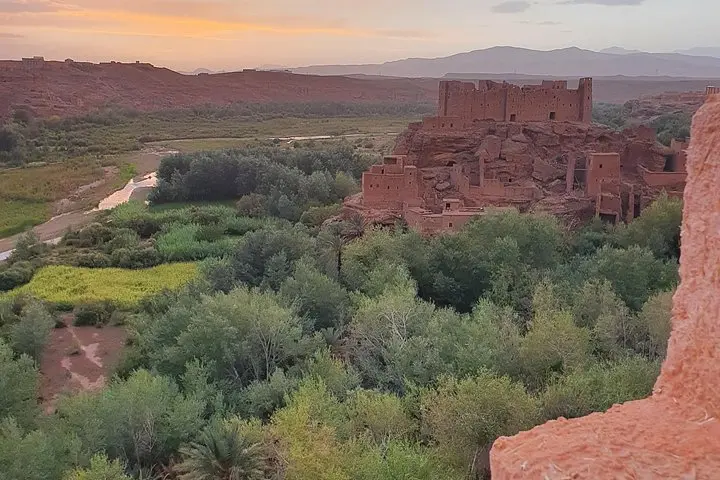
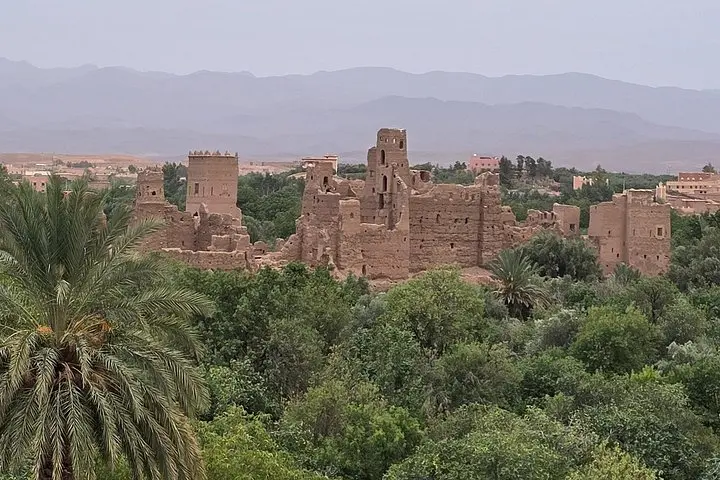
A morning in Roses Valley begins with the scent of crushed petals rising from low stone walls as you step onto a sun-warmed dirt track. The Mgoune River threads the valley below, pushing cool air up through terraces of pink damascena roses while mud-brick kasbahs watch from compact ridgelines. Walkers move at a steady pace, passing granary caves (agadir) hewn into rock and small gardens where goats braid shadows under almond trees.
Verified experiences and guided adventures in the surrounding area.
Operated by Morocco Exposure · Kelaat M'Gouna, Drâa-Tafilalet
A morning in Roses Valley begins with the scent of crushed petals rising from low stone walls as you step onto a sun-warmed dirt track. The Mgoune River threads the valley below, pushing cool air up through terraces of pink damascena roses while mud-brick kasbahs watch from compact ridgelines. Walkers move at a steady pace, passing granary caves (agadir) hewn into rock and small gardens where goats braid shadows under almond trees.
The valley sits on the northern edge of the High Atlas foothills; the soil and seasonal river flows that formed these slopes make it ideal for rose cultivation. Kelaat M'Gouna’s annual Rose Festival each May celebrates a centuries-old local trade in rose water and oil. The kasbahs and agadir reflect Berber communal life—storage, seasonal migration, and stone-and-mud architecture tuned to arid winters and hot summers.
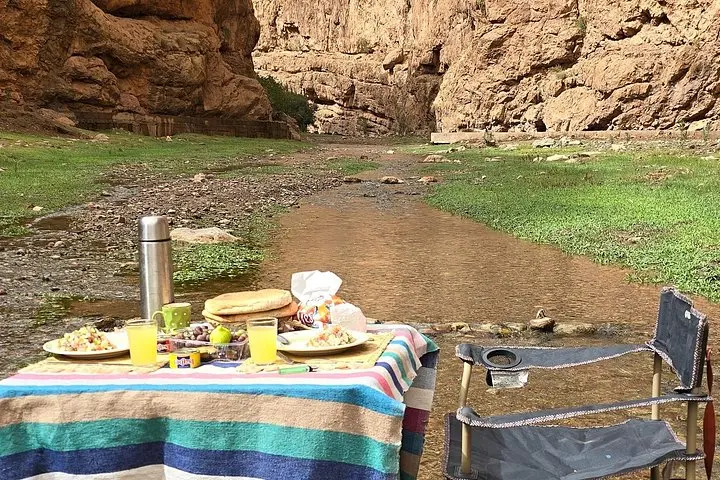
Expect a 10 km route that typically takes about four hours: mostly dirt farm tracks, occasional paved village streets, and short, steady climbs with loose gravel in places. The guide will point out granary caves and local practices for rose harvesting, and you'll stop for an aromatic coffee beside the fields.
Practical notes: start early to avoid midday heat during spring and summer, carry at least 1–1.5 L of water, wear sturdy shoes for uneven ground, and bring sun protection. Respect cultivated plots—photograph from paths, ask before entering gardens, and follow your guide’s advice on footing around granaries. This is low-technical, culturally rich walking suited to travelers who want texture as much as views.
The route is considered moderate: 10 km over mostly gentle paths with short climbs and some loose gravel—no technical skills required.
Late April to May is peak bloom for damascena roses and coincides with the Rose Festival, while spring and fall offer cooler temperatures and greener terraces.
Yes, for those accustomed to walking 10 km; the trek is culturally focused and paced, but check mobility and carry assistance if needed.
Guides are included and add cultural context, navigation through village lanes, and introductions to granary caves and rose farms—highly recommended.
Morocco Exposure operates guided outdoor trips and adventures with an emphasis on safety, stewardship, and memorable experiences.
A morning in Roses Valley begins with the scent of crushed petals rising from low stone walls as you step onto a sun-warmed dirt track. The Mgoune River threads the valley below, pushing cool air up through terraces of pink damascena roses while mud-brick kasbahs watch from compact ridgelines. Walkers move at a steady pace, passing granary caves (agadir) hewn into rock and small gardens where goats braid shadows under almond trees.
A morning in Roses Valley begins with the scent of crushed petals rising from low stone walls as you step onto a sun-warmed dirt track. The Mgoune River threads the valley below, pushing cool air up through terraces of pink damascena roses while mud-brick kasbahs watch from compact ridgelines. Walkers move at a steady pace, passing granary caves (agadir) hewn into rock and small gardens where goats braid shadows under almond trees.
The valley sits on the northern edge of the High Atlas foothills; the soil and seasonal river flows that formed these slopes make it ideal for rose cultivation. Kelaat M'Gouna’s annual Rose Festival each May celebrates a centuries-old local trade in rose water and oil. The kasbahs and agadir reflect Berber communal life—storage, seasonal migration, and stone-and-mud architecture tuned to arid winters and hot summers.
Expect a 10 km route that typically takes about four hours: mostly dirt farm tracks, occasional paved village streets, and short, steady climbs with loose gravel in places. The guide will point out granary caves and local practices for rose harvesting, and you'll stop for an aromatic coffee beside the fields.
Practical notes: start early to avoid midday heat during spring and summer, carry at least 1–1.5 L of water, wear sturdy shoes for uneven ground, and bring sun protection. Respect cultivated plots—photograph from paths, ask before entering gardens, and follow your guide’s advice on footing around granaries. This is low-technical, culturally rich walking suited to travelers who want texture as much as views.