THE ADVENTURE COLLECTIVE® · Independent discovery and booking for outdoor travel

Walk the riverfront lanes of Rosetta (Rashid), where the Rosetta Stone was discovered and Ottoman houses line the Nile branch. This 4–6 hour day trip from Alexandria blends living history, papyrus craft demonstrations and delta views.
Walk the riverfront lanes of Rosetta (Rashid), where the Rosetta Stone was discovered and Ottoman houses line the Nile branch. This 4–6 hour day trip from Alexandria blends living history, papyrus craft demonstrations and delta views.
A boat-lined river bends into view and the city of Rosetta (Rashid) unfolds in low, pale buildings and carved wooden balconies. The air carries a faint mix of fish smoke and river brine; minarets puncture the skyline while narrow lanes lead to unexpected Ottoman facades.
Verified experiences and guided adventures in the surrounding area.
Operated by Oman Day Tours · Rosetta (Rashid), Beheira Governorate
A boat-lined river bends into view and the city of Rosetta (Rashid) unfolds in low, pale buildings and carved wooden balconies. The air carries a faint mix of fish smoke and river brine; minarets puncture the skyline while narrow lanes lead to unexpected Ottoman facades.
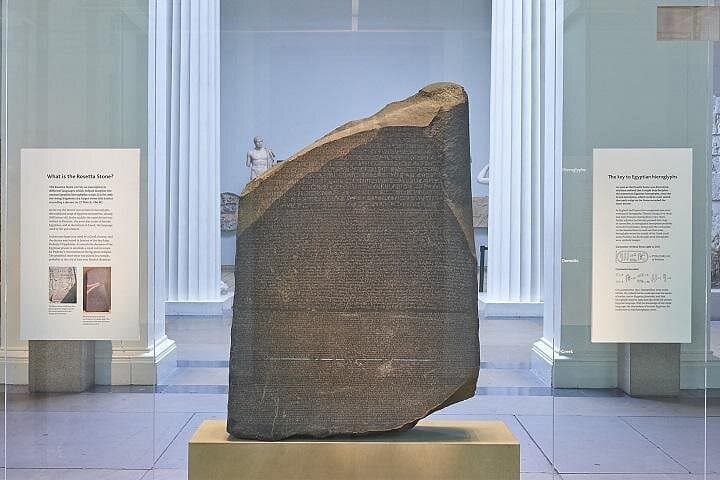
Rosetta’s claim to global fame came in 1799 when a French expedition found the Rosetta Stone nearby — a single artifact that unlocked ancient Egyptian scripts. Geologically the town sits on the eastern edge of the Nile Delta, a flat, alluvial landscape that has shaped trade, agriculture and the town’s slim fingers of waterways for millennia. Culturally, Rosetta preserves large clusters of Ottoman-era houses, carved mashrabiya screens and a local papyrus tradition that survived centuries of change.
A guided half-day visit typically threads together the House of Zebeda, riverside promenades and a local papermaking workshop. Expect unpaved alleys, steps into older houses, and sweeping views of the Nile branch where fishermen and ferries operate.
Practical guidance: plan 4–6 hours including transfers from Alexandria. Wear sturdy walking shoes for uneven stone and lanes, bring sun protection and at least 1–2 liters of water in summer, and carry local currency for small entrance fees and market purchases. Photography is allowed in most public spots but ask before photographing inside homes or people.
This is a low-impact cultural outing with strong photographic payoff and easy physical demands — an accessible way to see the Nile Delta’s living history and Ottoman architecture without venturing far from Alexandria.
Typical private tours run 4–6 hours including round-trip transfer time from central Alexandria hotels.
Yes. Rosetta is the Anglicized name; locals often use Rashid—both refer to the same town on the Nile Delta.
Many bookings include entrance fees to listed sites, but check your operator’s inclusions and carry cash for optional stops or market purchases.
Many historic lanes and older houses have uneven stone, steps and narrow doorways—access is limited and not fully suitable for wheelchair users.
Oman Day Tours operates guided outdoor trips and adventures with an emphasis on safety, stewardship, and memorable experiences.
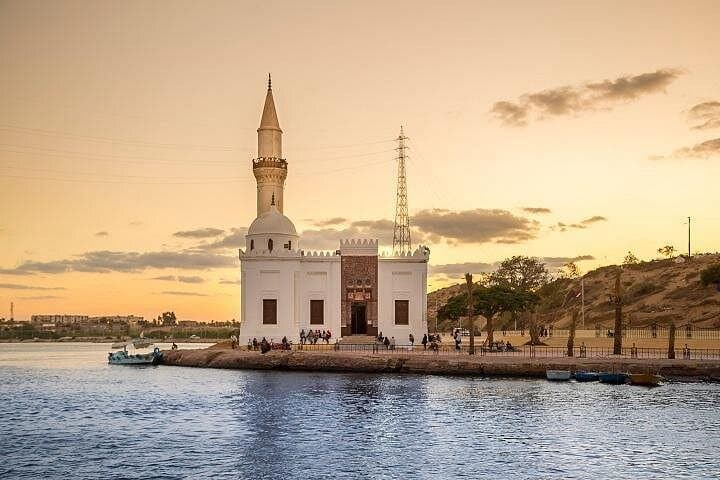
A boat-lined river bends into view and the city of Rosetta (Rashid) unfolds in low, pale buildings and carved wooden balconies. The air carries a faint mix of fish smoke and river brine; minarets puncture the skyline while narrow lanes lead to unexpected Ottoman facades.
A boat-lined river bends into view and the city of Rosetta (Rashid) unfolds in low, pale buildings and carved wooden balconies. The air carries a faint mix of fish smoke and river brine; minarets puncture the skyline while narrow lanes lead to unexpected Ottoman facades.
Rosetta’s claim to global fame came in 1799 when a French expedition found the Rosetta Stone nearby — a single artifact that unlocked ancient Egyptian scripts. Geologically the town sits on the eastern edge of the Nile Delta, a flat, alluvial landscape that has shaped trade, agriculture and the town’s slim fingers of waterways for millennia. Culturally, Rosetta preserves large clusters of Ottoman-era houses, carved mashrabiya screens and a local papyrus tradition that survived centuries of change.
A guided half-day visit typically threads together the House of Zebeda, riverside promenades and a local papermaking workshop. Expect unpaved alleys, steps into older houses, and sweeping views of the Nile branch where fishermen and ferries operate.
Practical guidance: plan 4–6 hours including transfers from Alexandria. Wear sturdy walking shoes for uneven stone and lanes, bring sun protection and at least 1–2 liters of water in summer, and carry local currency for small entrance fees and market purchases. Photography is allowed in most public spots but ask before photographing inside homes or people.
This is a low-impact cultural outing with strong photographic payoff and easy physical demands — an accessible way to see the Nile Delta’s living history and Ottoman architecture without venturing far from Alexandria.