
Rosetta from Alexandria: Motorboat to the Rosetta Stone and Nile Delta Island
Take a short motorboat from Alexandria to the Nile Delta island where the Rosetta Stone was discovered. This half-day trip combines a coastal boat ride with guided exploration of the fort site and hands-on history about the stone that unlocked Egyptian hieroglyphs.
An Adventure In Alexandria.
Take a short motorboat from Alexandria to the Nile Delta island where the Rosetta Stone was discovered. This half-day trip combines a coastal boat ride with guided exploration of the fort site and hands-on history about the stone that unlocked Egyptian hieroglyphs.
Read the full experience
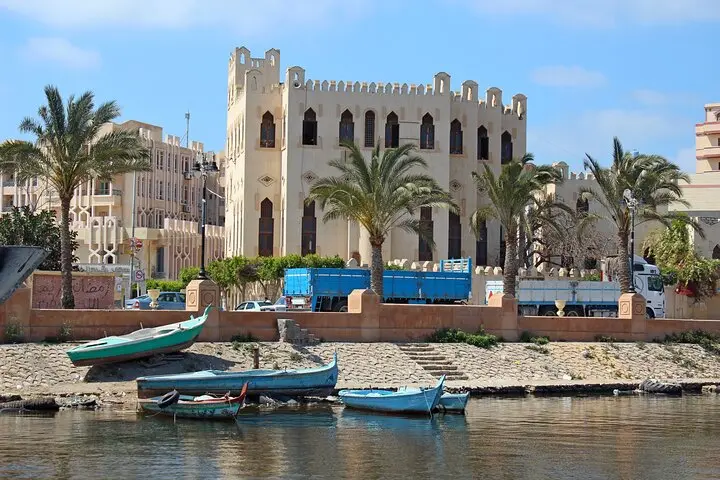
The motorboat cuts a bright line across the Mediterranean where the Nile finally loosens its grip on the land; salt spray meets the river's brown current and the island ahead seems to wait with the patience of an old harbor master. You step ashore beneath low fort walls — the place tied to a single object that rewrote our view of ancient Egypt: the Rosetta Stone.
The motorboat cuts a bright line across the Mediterranean where the Nile finally loosens its grip on the land; salt spray meets the river's brown current and the island ahead seems to wait with the patience of an old harbor master. You step ashore beneath low fort walls — the place tied to a single object that rewrote our view of ancient Egypt: the Rosetta Stone.
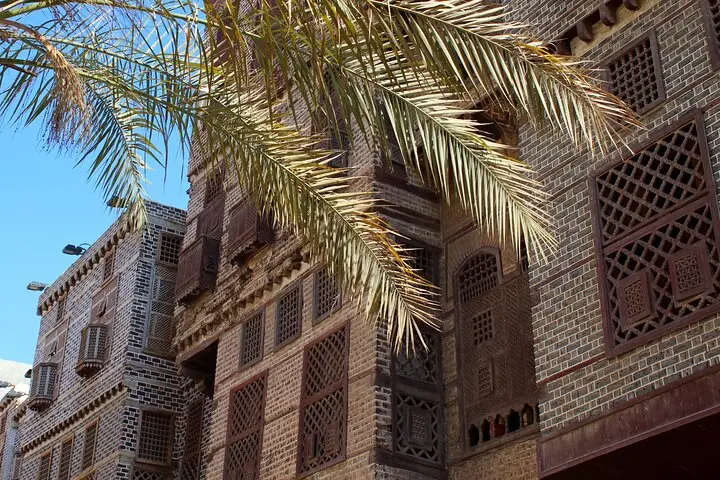
This short coastal voyage links Alexandria’s busy waterfront with the Nile Delta’s quieter edges. The main highlight is the fortress site associated with the stone’s discovery in 1799 by French troops near Rashid (Rosetta). Geology here is delta plain and reclaimed sandflats; cultural layers range from Ottoman-era houses in nearby towns to modern fishing villages that still work the brackish channels.
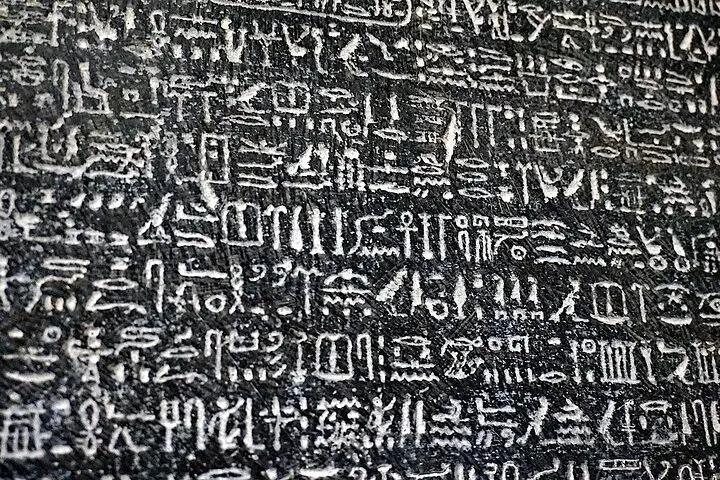
Expect a blend of a 30–45 minute boat crossing and guided time ashore to view the fort and local displays explaining the stone’s trilingual inscription — Greek, Demotic and Hieroglyphic — and why it unlocked hieroglyphs for scholars. Guides provide historical context and point out features of the delta shoreline, from sediment fans to coastal lagoons.
Practical advice: bring sun protection and a copy of your passport for checkpoints, wear non-slip shoes for wet docks and uneven fort floors, and plan this as a half-day outing that pairs well with other Alexandrian sights. Boat transfers are brief but exposed; if you’re prone to seasickness, take precautions. The trip is straightforward, culturally rich, and gives a concentrated look at a global archaeological turning point while letting the Nile and Mediterranean do the guiding.
Frequently asked questions
Typical crossings to the delta island take about 20–40 minutes each way depending on conditions and route.
This tour focuses on the island fortress site—if a museum visit is included it will be specified; bring local currency for optional entries or donations.
Yes; the itinerary is family-friendly but watch young children on docks and fort walls and request infant seats if needed.
A compact camera or phone with a waterproof case is ideal—lighting can be strong on the water and inside shaded fort areas.
About This Experience
NORTH AFRICAN SHIPPING AND TOURISM COMPANY (NASCO TOURS) operates guided outdoor trips and adventures with an emphasis on safety, stewardship, and memorable experiences.
Adventure tips
Recommended gear
- Passport or government ID: Often checked at pickup or local checkpoints—carry the original or certified copy.
- Sun protection (hat, sunscreen): Open-deck time and reflective water increase sun exposure.
- Non-slip closed-toe shoes: Useful for boarding, rocky fort floors, and wet docks.
- Light windbreaker or waterproof shell: Protects against spray and coastal breezes, especially in cooler months.
Photos of the experience

Related adventures & guides
Read the full experience
The motorboat cuts a bright line across the Mediterranean where the Nile finally loosens its grip on the land; salt spray meets the river's brown current and the island ahead seems to wait with the patience of an old harbor master. You step ashore beneath low fort walls — the place tied to a single object that rewrote our view of ancient Egypt: the Rosetta Stone.
The motorboat cuts a bright line across the Mediterranean where the Nile finally loosens its grip on the land; salt spray meets the river's brown current and the island ahead seems to wait with the patience of an old harbor master. You step ashore beneath low fort walls — the place tied to a single object that rewrote our view of ancient Egypt: the Rosetta Stone.
This short coastal voyage links Alexandria’s busy waterfront with the Nile Delta’s quieter edges. The main highlight is the fortress site associated with the stone’s discovery in 1799 by French troops near Rashid (Rosetta). Geology here is delta plain and reclaimed sandflats; cultural layers range from Ottoman-era houses in nearby towns to modern fishing villages that still work the brackish channels.
Expect a blend of a 30–45 minute boat crossing and guided time ashore to view the fort and local displays explaining the stone’s trilingual inscription — Greek, Demotic and Hieroglyphic — and why it unlocked hieroglyphs for scholars. Guides provide historical context and point out features of the delta shoreline, from sediment fans to coastal lagoons.
Practical advice: bring sun protection and a copy of your passport for checkpoints, wear non-slip shoes for wet docks and uneven fort floors, and plan this as a half-day outing that pairs well with other Alexandrian sights. Boat transfers are brief but exposed; if you’re prone to seasickness, take precautions. The trip is straightforward, culturally rich, and gives a concentrated look at a global archaeological turning point while letting the Nile and Mediterranean do the guiding.
Make a day of it nearby.
Verified experiences and guided adventures in the surrounding area.