THE ADVENTURE COLLECTIVE® · Independent discovery and booking for outdoor travel

Drive an hour from Alexandria to Rashid (Rosetta) and walk the small streets where the multilingual inscription that unlocked Egyptian hieroglyphs was found; visit Ottoman houses, a working mill, a local souq and the Qaitbay citadel with views of the Nile meeting the Mediterranean.
Drive an hour from Alexandria to Rashid (Rosetta) and walk the small streets where the multilingual inscription that unlocked Egyptian hieroglyphs was found; visit Ottoman houses, a working mill, a local souq and the Qaitbay citadel with views of the Nile meeting the Mediterranean.
A sea-bent wind greets you as the road unspools from Alexandria toward Rashid (Rosetta), where the Nile tips into the Mediterranean. By morning the town’s red-and-black brick houses catch light, narrow alleys leading you past shopfronts piled with citrus and loaves, gulls circling the river mouth like curious guides.
Verified experiences and guided adventures in the surrounding area.
Operated by This Is Egypt · Rashid (Rosetta), Beheira
A sea-bent wind greets you as the road unspools from Alexandria toward Rashid (Rosetta), where the Nile tips into the Mediterranean. By morning the town’s red-and-black brick houses catch light, narrow alleys leading you past shopfronts piled with citrus and loaves, gulls circling the river mouth like curious guides.
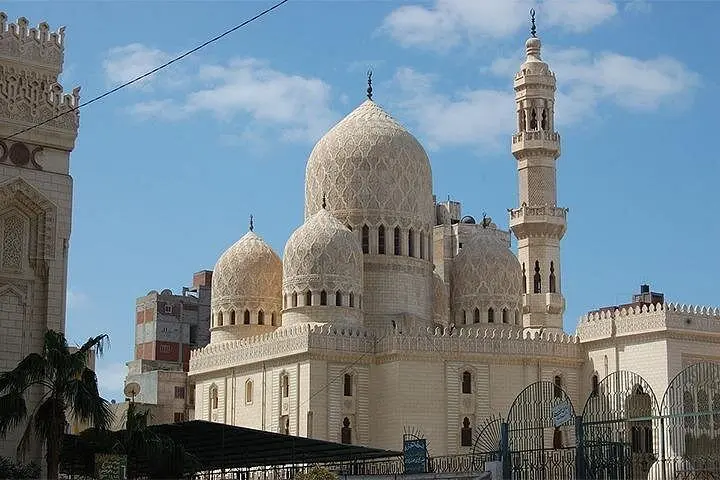
The town’s claim to global fame began in 1799 when a French soldier found the multilingual inscription that unlocked ancient Egyptian script. Rashid’s streets, however, tell a longer story: Ottoman merchant houses with carved woodwork, the working mill of Abu Shaheen, and a small museum that holds a faithful Rosetta Stone replica and local artifacts. Geologically, the site sits on deltaic alluvium where Nile silt meets Mediterranean sand; tides and human engineering have continually reshaped the shoreline.
Expect a walking, low-impact day: museum rooms, short market passages, a climb up the Qaitbay-era citadel walls for views where river and sea argue over the horizon. Culture here is lived—market bargaining, tea on the shore, and mosque calls threaded through alleys—so move at the locals’ pace and allow time for small discoveries.
Practical guidance: travel light with sun protection, carry local cash for small vendors, and wear sturdy flats or light hiking shoes—cobblestones and house thresholds are uneven. Morning starts avoid midday heat and afford calmer light for photos. Respect mosque etiquette (shoulders and knees covered) and follow your guide’s local insights to keep the visit both smooth and rewarding.
No — the original is in the British Museum; the Rashid museum displays a detailed replica and local archaeological finds.
About 1 to 1.5 hours each way depending on traffic and your pickup location in Alexandria.
This tour includes lunch; expect regional dishes and a chance to sample local seafood or Nile-influenced fare.
Yes — it’s rated easy with short walking segments, but uneven surfaces and some stairs at the citadel may challenge limited mobility.
This Is Egypt operates guided outdoor trips and adventures with an emphasis on safety, stewardship, and memorable experiences.
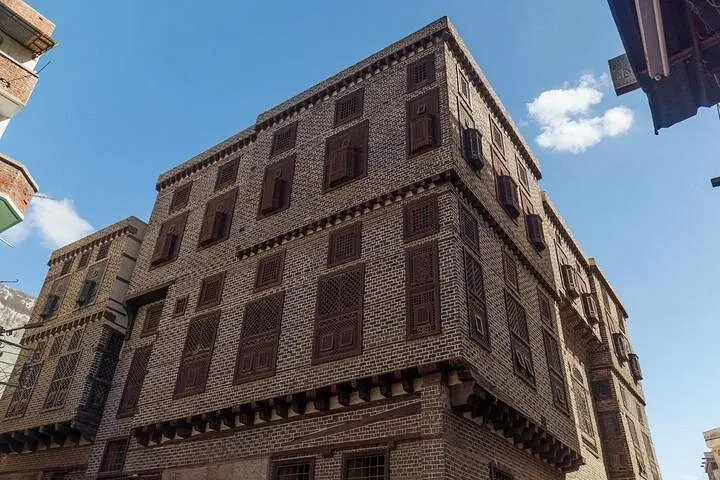
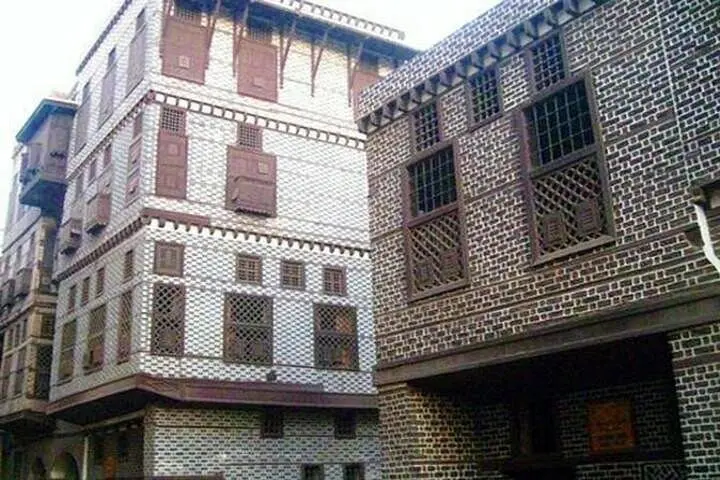
A sea-bent wind greets you as the road unspools from Alexandria toward Rashid (Rosetta), where the Nile tips into the Mediterranean. By morning the town’s red-and-black brick houses catch light, narrow alleys leading you past shopfronts piled with citrus and loaves, gulls circling the river mouth like curious guides.
A sea-bent wind greets you as the road unspools from Alexandria toward Rashid (Rosetta), where the Nile tips into the Mediterranean. By morning the town’s red-and-black brick houses catch light, narrow alleys leading you past shopfronts piled with citrus and loaves, gulls circling the river mouth like curious guides.
The town’s claim to global fame began in 1799 when a French soldier found the multilingual inscription that unlocked ancient Egyptian script. Rashid’s streets, however, tell a longer story: Ottoman merchant houses with carved woodwork, the working mill of Abu Shaheen, and a small museum that holds a faithful Rosetta Stone replica and local artifacts. Geologically, the site sits on deltaic alluvium where Nile silt meets Mediterranean sand; tides and human engineering have continually reshaped the shoreline.
Expect a walking, low-impact day: museum rooms, short market passages, a climb up the Qaitbay-era citadel walls for views where river and sea argue over the horizon. Culture here is lived—market bargaining, tea on the shore, and mosque calls threaded through alleys—so move at the locals’ pace and allow time for small discoveries.
Practical guidance: travel light with sun protection, carry local cash for small vendors, and wear sturdy flats or light hiking shoes—cobblestones and house thresholds are uneven. Morning starts avoid midday heat and afford calmer light for photos. Respect mosque etiquette (shoulders and knees covered) and follow your guide’s local insights to keep the visit both smooth and rewarding.