THE ADVENTURE COLLECTIVE® · Independent discovery and booking for outdoor travel

A breezy, three-hour guided walk through the colonial ruins of Ross Island near Port Blair. Discover abandoned powerhouses, a root-covered printing press, and coastal viewpoints while learning the island’s layered history.
A breezy, three-hour guided walk through the colonial ruins of Ross Island near Port Blair. Discover abandoned powerhouses, a root-covered printing press, and coastal viewpoints while learning the island’s layered history.
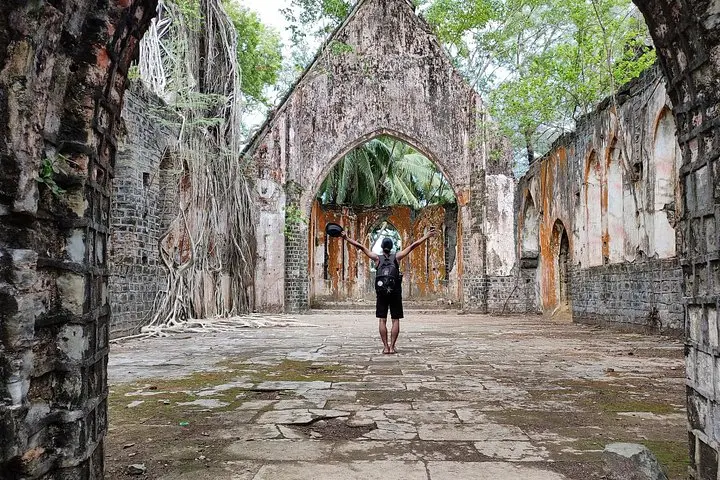
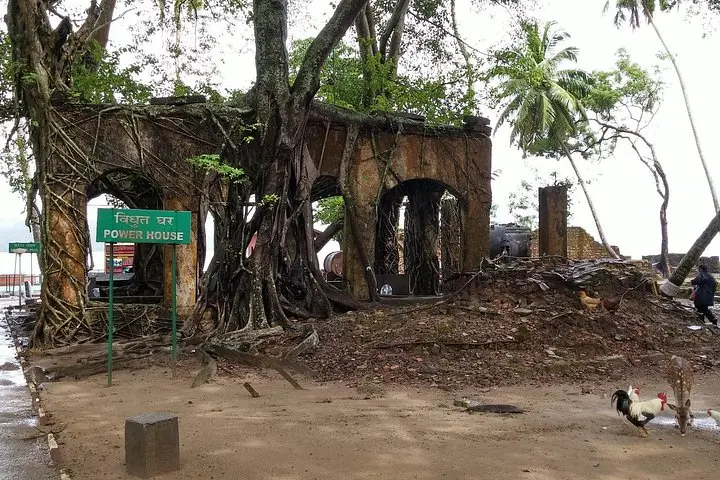
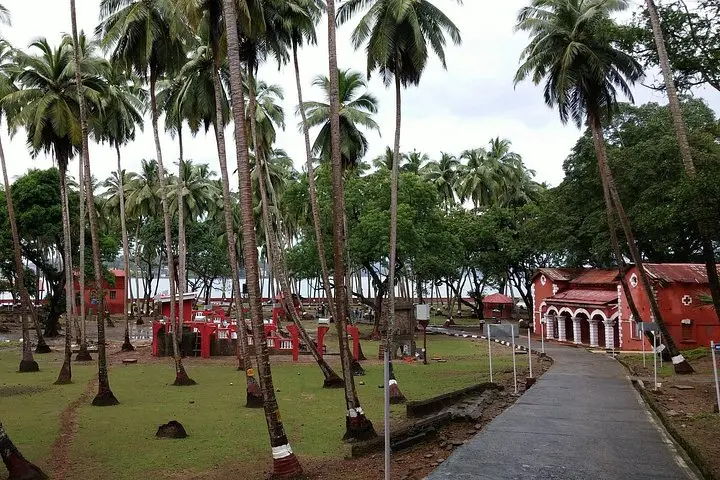
A small launch slips away from Port Blair's harbor and the wind carries salt and history — within 15–20 minutes the silhouette of Ross Island appears: low shorelines, skeletal brick chimneys, and strangling fig roots threading through masonry. The guided three-hour walk moves like a compact field lecture, alternating between ruined powerhouses, a printing press half-swallowed by roots, and quiet seaside viewpoints where the sea keeps its own calendar.
Verified experiences and guided adventures in the surrounding area.
Operated by Yo Tours Goa · Port Blair, Andaman and Nicobar Islands
A small launch slips away from Port Blair's harbor and the wind carries salt and history — within 15–20 minutes the silhouette of Ross Island appears: low shorelines, skeletal brick chimneys, and strangling fig roots threading through masonry. The guided three-hour walk moves like a compact field lecture, alternating between ruined powerhouses, a printing press half-swallowed by roots, and quiet seaside viewpoints where the sea keeps its own calendar.
Ross Island was the administrative hub for the British in the late 19th and early 20th centuries and later saw wartime upheaval and abandonment; the tour threads that political and social history into the physical remains. Geologically the island sits at the edge of the Andaman archipelago, its coastline shaped by tides and coral formations and its soils supporting tropical littoral forest and stately peepal and banyan trees that now press over colonial brickwork.
Culturally the island reflects layers — colonial urban planning, local labor histories, and wartime memory — all narrated by guides who pair storytelling with archival detail. Expect concrete details: dates, building purposes, and how the island’s role shifted after natural disaster and conflict.
Practical guidance: wear sturdy walking shoes, bring sun protection and water, and plan mornings to avoid heat and midday crowds. Boat schedules and modest entry or boat fees are common; check local operators for timings. The route is mostly flat but uneven underfoot where roots and ruins meet the trail. The walk is ideal for anyone curious about colonial history woven into a compact coastal landscape.
Regular boat transfers and short launch rides depart from Port Blair’s main jetty; tours typically include boat arrangements—confirm pickup location and return times.
Amenities are limited; expect basic walkways and viewpoints but few services—use restrooms in Port Blair before departure and bring snacks if needed.
The walk is family-friendly but uneven surfaces and roots make full wheelchair access difficult; some operators offer limited accessibility—check in advance.
Small entry or boat landing fees may apply; the tour operator usually handles bookings but confirm any additional charges before you go.
Yo Tours Goa operates guided outdoor trips and adventures with an emphasis on safety, stewardship, and memorable experiences.

A small launch slips away from Port Blair's harbor and the wind carries salt and history — within 15–20 minutes the silhouette of Ross Island appears: low shorelines, skeletal brick chimneys, and strangling fig roots threading through masonry. The guided three-hour walk moves like a compact field lecture, alternating between ruined powerhouses, a printing press half-swallowed by roots, and quiet seaside viewpoints where the sea keeps its own calendar.
A small launch slips away from Port Blair's harbor and the wind carries salt and history — within 15–20 minutes the silhouette of Ross Island appears: low shorelines, skeletal brick chimneys, and strangling fig roots threading through masonry. The guided three-hour walk moves like a compact field lecture, alternating between ruined powerhouses, a printing press half-swallowed by roots, and quiet seaside viewpoints where the sea keeps its own calendar.
Ross Island was the administrative hub for the British in the late 19th and early 20th centuries and later saw wartime upheaval and abandonment; the tour threads that political and social history into the physical remains. Geologically the island sits at the edge of the Andaman archipelago, its coastline shaped by tides and coral formations and its soils supporting tropical littoral forest and stately peepal and banyan trees that now press over colonial brickwork.
Culturally the island reflects layers — colonial urban planning, local labor histories, and wartime memory — all narrated by guides who pair storytelling with archival detail. Expect concrete details: dates, building purposes, and how the island’s role shifted after natural disaster and conflict.
Practical guidance: wear sturdy walking shoes, bring sun protection and water, and plan mornings to avoid heat and midday crowds. Boat schedules and modest entry or boat fees are common; check local operators for timings. The route is mostly flat but uneven underfoot where roots and ruins meet the trail. The walk is ideal for anyone curious about colonial history woven into a compact coastal landscape.