THE ADVENTURE COLLECTIVE® · Independent discovery and booking for outdoor travel

Escape Auckland for a day and explore Rotoroa Island’s predator-free sanctuary by ferry. Walk easy trails, visit an award-winning museum, and watch for takahē, tīeke and kiwi in restored native bush.
Escape Auckland for a day and explore Rotoroa Island’s predator-free sanctuary by ferry. Walk easy trails, visit an award-winning museum, and watch for takahē, tīeke and kiwi in restored native bush.
You step off the ferry and the city’s hum falls away: wind across open grass, pōhutukawa trimming the shoreline, and scrubby native bush that seems to breathe easier on an island with no predators. The 75-minute crossing through the Hauraki Gulf gives way to wide sandy bays and walking tracks that thread between heritage buildings and restored gardens.
Verified experiences and guided adventures in the surrounding area.
Operated by Explore Group Limited · Auckland, Auckland Region
You step off the ferry and the city’s hum falls away: wind across open grass, pōhutukawa trimming the shoreline, and scrubby native bush that seems to breathe easier on an island with no predators. The 75-minute crossing through the Hauraki Gulf gives way to wide sandy bays and walking tracks that thread between heritage buildings and restored gardens.
Rotoroa’s recent story is conservation-forward: predator-free since 2014, the island now hosts reintroduced species such as takahē and tīeke alongside nocturnal kiwi. Its built history is visible—former institutional buildings repurposed into an award-winning museum and interpretation spaces that outline the island’s rehabilitation-era past and the volunteer-led conservation work that rebuilt its ecology.
On the ground expect easy, well-maintained trails across mixed terrain: grassy fields, patches of native forest, and gravel shorelines. There’s about 4–5 hours to explore—enough time for the museum, a beach swim, short nature walks and birdwatching. Facilities are basic but visitor-friendly: toilets, a freshwater fountain, electric BBQs and a small gift shop; there’s no food service on the island so pack a sealed lunch or buy onboard.
Practical rhythm matters—check the seasonal timetable, bring sun and rain layers, and time your return to match the ferry schedule. For wildlife sightings, be quiet and patient; dusk offers the best chance to hear kiwi. Rotoroa is a compact escape that rewards simple curiosity: listen closely and the gulf will tell you why this island was given back to birds.
The crossing is approximately 75 minutes each way through the Hauraki Gulf.
No—there is no food for sale on Rotoroa, so bring a sealed lunch or purchase snacks aboard the ferry before landing.
Yes—paths are generally accessible and infants/small children can use a pram or stroller on the main routes.
Kiwi are present on the island but are nocturnal; dusk or guided night programs provide the best chance to hear or see them.
Explore Group Limited operates guided outdoor trips and adventures with an emphasis on safety, stewardship, and memorable experiences.
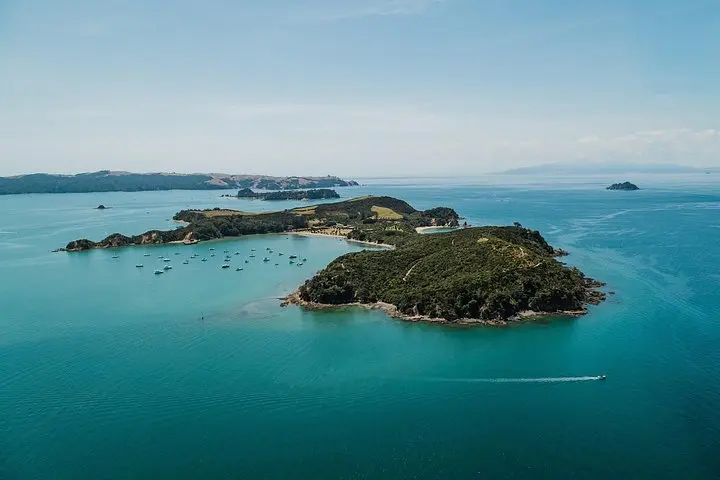
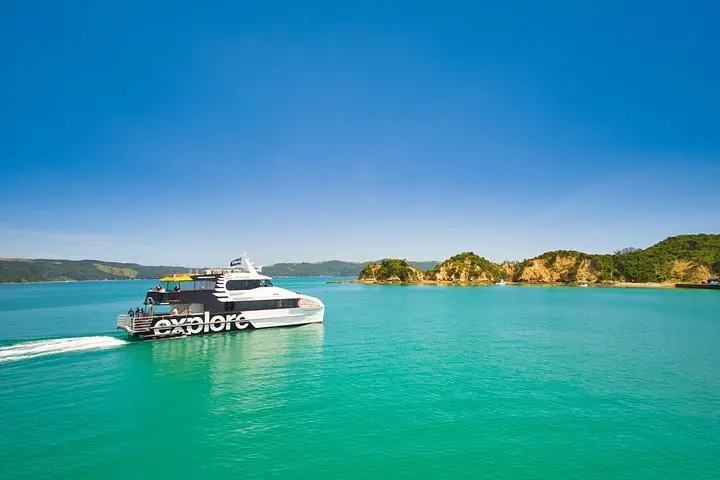
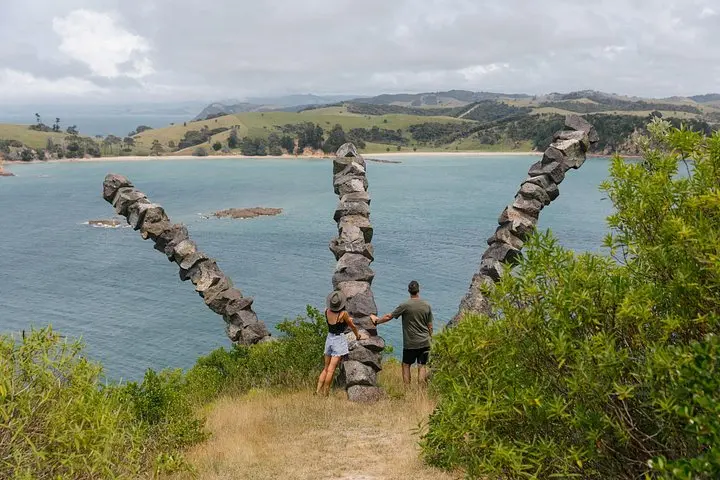
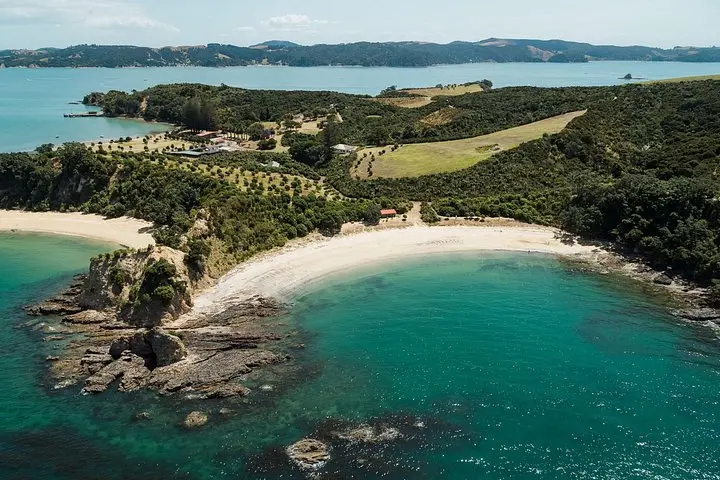
You step off the ferry and the city’s hum falls away: wind across open grass, pōhutukawa trimming the shoreline, and scrubby native bush that seems to breathe easier on an island with no predators. The 75-minute crossing through the Hauraki Gulf gives way to wide sandy bays and walking tracks that thread between heritage buildings and restored gardens.
You step off the ferry and the city’s hum falls away: wind across open grass, pōhutukawa trimming the shoreline, and scrubby native bush that seems to breathe easier on an island with no predators. The 75-minute crossing through the Hauraki Gulf gives way to wide sandy bays and walking tracks that thread between heritage buildings and restored gardens.
Rotoroa’s recent story is conservation-forward: predator-free since 2014, the island now hosts reintroduced species such as takahē and tīeke alongside nocturnal kiwi. Its built history is visible—former institutional buildings repurposed into an award-winning museum and interpretation spaces that outline the island’s rehabilitation-era past and the volunteer-led conservation work that rebuilt its ecology.
On the ground expect easy, well-maintained trails across mixed terrain: grassy fields, patches of native forest, and gravel shorelines. There’s about 4–5 hours to explore—enough time for the museum, a beach swim, short nature walks and birdwatching. Facilities are basic but visitor-friendly: toilets, a freshwater fountain, electric BBQs and a small gift shop; there’s no food service on the island so pack a sealed lunch or buy onboard.
Practical rhythm matters—check the seasonal timetable, bring sun and rain layers, and time your return to match the ferry schedule. For wildlife sightings, be quiet and patient; dusk offers the best chance to hear kiwi. Rotoroa is a compact escape that rewards simple curiosity: listen closely and the gulf will tell you why this island was given back to birds.