THE ADVENTURE COLLECTIVE® · Independent discovery and booking for outdoor travel

Explore Rotterdam’s bold skyline and wartime rebirth on a focused two-hour walk. Discover how the Maas, post-war planning, and cultural diversity shaped the city you see today.
Explore Rotterdam’s bold skyline and wartime rebirth on a focused two-hour walk. Discover how the Maas, post-war planning, and cultural diversity shaped the city you see today.
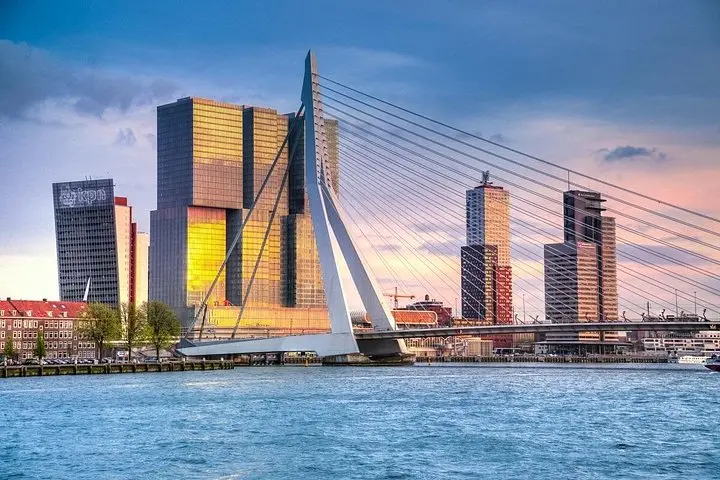
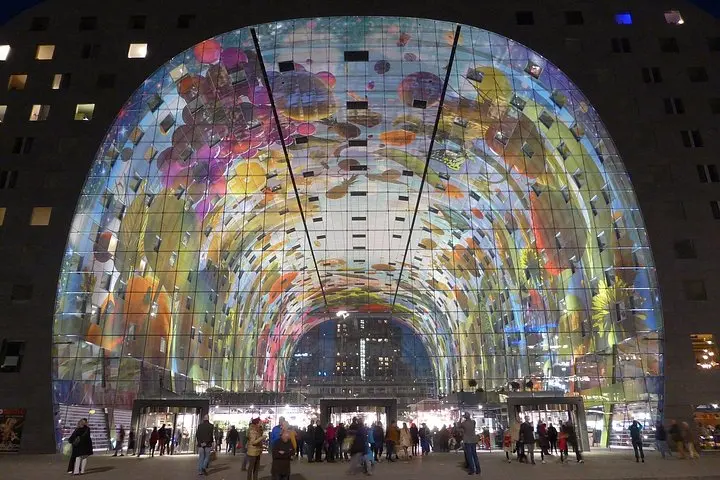
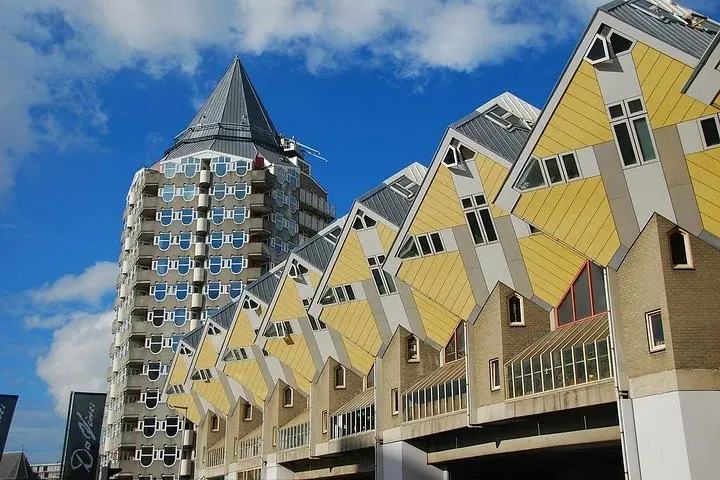
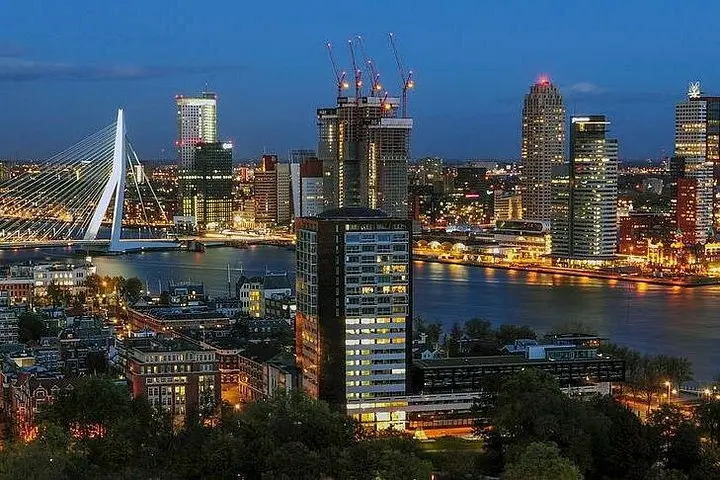
You step off the tram and the city meets you at eye level: glass planes, a steel bridge arching over the Maas, market chatter spilling from a horseshoe of color. This two-hour walking tour threads Rotterdam’s sharp new skyline with the older blocks that survived—or rose from—the devastation of 1940, giving the city a forward-leaning personality that still carries scars.
Verified experiences and guided adventures in the surrounding area.
Operated by Trigger Tours · Rotterdam, South Holland
You step off the tram and the city meets you at eye level: glass planes, a steel bridge arching over the Maas, market chatter spilling from a horseshoe of color. This two-hour walking tour threads Rotterdam’s sharp new skyline with the older blocks that survived—or rose from—the devastation of 1940, giving the city a forward-leaning personality that still carries scars.
Rotterdam’s story is one of maritime trade, wartime rupture, and deliberate reinvention. The port reshaped the river’s banks and the post-war reconstruction prioritized function and experimentation, producing landmarks like Erasmus Bridge and the Markthal. Geologically the region sits on low-lying polder land reclaimed from the sea; the Maas river continues to shape quays and viewpoints while nudging the city’s attention to water management and engineering.
Culturally the city is pragmatic and diverse: migrants and sailors brought cuisines and neighborhoods that feel alive on weekday mornings and late evenings. Local guides highlight how municipal planning encouraged bold architecture as a civic response to loss, not just spectacle.
Practical guidance: wear comfortable walking shoes for paved promenades and occasional uneven cobbles, carry a light rain layer (weather in Rotterdam is changeable), and bring a small bottle of water. The route is largely flat and accessible; expect steady, relaxed pacing with several photo stops. Aim for morning or late-afternoon departures to avoid peak market crowds and to catch the light across the Maas. This is a city walk for curious travelers who want context with their skyline views.
Meeting typically takes place near a central tram stop in Rotterdam city center—confirm exact point on your booking voucher and arrive 10 minutes early.
The route is largely flat and paved; accessibility is generally good but check with the operator for specific assistance or mobility needs.
Guides commonly lead tours in English and Dutch; confirm language availability when booking and request another language if offered.
Yes—this is family-friendly; bring a lightweight stroller for infants and note that groups are limited in size for comfort.
Trigger Tours operates guided outdoor trips and adventures with an emphasis on safety, stewardship, and memorable experiences.
You step off the tram and the city meets you at eye level: glass planes, a steel bridge arching over the Maas, market chatter spilling from a horseshoe of color. This two-hour walking tour threads Rotterdam’s sharp new skyline with the older blocks that survived—or rose from—the devastation of 1940, giving the city a forward-leaning personality that still carries scars.
You step off the tram and the city meets you at eye level: glass planes, a steel bridge arching over the Maas, market chatter spilling from a horseshoe of color. This two-hour walking tour threads Rotterdam’s sharp new skyline with the older blocks that survived—or rose from—the devastation of 1940, giving the city a forward-leaning personality that still carries scars.
Rotterdam’s story is one of maritime trade, wartime rupture, and deliberate reinvention. The port reshaped the river’s banks and the post-war reconstruction prioritized function and experimentation, producing landmarks like Erasmus Bridge and the Markthal. Geologically the region sits on low-lying polder land reclaimed from the sea; the Maas river continues to shape quays and viewpoints while nudging the city’s attention to water management and engineering.
Culturally the city is pragmatic and diverse: migrants and sailors brought cuisines and neighborhoods that feel alive on weekday mornings and late evenings. Local guides highlight how municipal planning encouraged bold architecture as a civic response to loss, not just spectacle.
Practical guidance: wear comfortable walking shoes for paved promenades and occasional uneven cobbles, carry a light rain layer (weather in Rotterdam is changeable), and bring a small bottle of water. The route is largely flat and accessible; expect steady, relaxed pacing with several photo stops. Aim for morning or late-afternoon departures to avoid peak market crowds and to catch the light across the Maas. This is a city walk for curious travelers who want context with their skyline views.