THE ADVENTURE COLLECTIVE® · Independent discovery and booking for outdoor travel

Spend a full day on Rottnest Island cycling between secluded beaches, snorkeling clear reef patches, and meeting the resident quokkas. This practical guide covers the island’s natural character, brief history, and what to bring for an easy, adventurous day trip from Perth or Fremantle.
Spend a full day on Rottnest Island cycling between secluded beaches, snorkeling clear reef patches, and meeting the resident quokkas. This practical guide covers the island’s natural character, brief history, and what to bring for an easy, adventurous day trip from Perth or Fremantle.
You step off the ferry into a wind that carries salt and a low, dry vegetation scent—Rottnest Island’s open coastline meets you like an invitation. The island’s narrow roads unfurl under bicycle tires as quokkas peek from dune grasses; turquoise bays dare you to drop your towel and swim. By noon the reef calls, currents brushing fins and mask as you thread between bommies and kelp.
Verified experiences and guided adventures in the surrounding area.
Operated by Rottnest Express · Rottnest Island, Western Australia
You step off the ferry into a wind that carries salt and a low, dry vegetation scent—Rottnest Island’s open coastline meets you like an invitation. The island’s narrow roads unfurl under bicycle tires as quokkas peek from dune grasses; turquoise bays dare you to drop your towel and swim. By noon the reef calls, currents brushing fins and mask as you thread between bommies and kelp.
Rottnest formed from ancient sea-level changes that left its limestone platforms and rocky outcrops exposed; the island’s landscape is mostly low dunes, cemented sand, and wave-sculpted rock. European history here is layered and complex—Aboriginal presence predates the island’s colonial use as a penal settlement—while more recent maritime traffic shaped the network of jetties and lighthouses.
Culturally, Rottnest balances low-impact tourism with resident wildlife management. The quokka, now a conservation icon, is curious but protected—feeding or handling is prohibited.
Practical guide: ferries depart from Perth and Fremantle; plan for a full day (around eight hours) to cycle, snorkel and relax. Bikes and helmets are included but bring reef shoes for rocky entry points and a reef-safe sunscreen. Water bottles and a light wind layer keep you comfortable when the sea breeze shifts. Swim in designated bays and heed local signage; tides and wind impact snorkel conditions. If you’re new to open-water snorkeling, stick close to shore and alongside an experienced companion or operator. Arrive early to exchange vouchers for boarding passes and allow 30 minutes before departure.
Expect a day where simple transport—pedals and fins—becomes the best way to read an island’s coastline.
Crossing time varies with departure point—expect about 25–45 minutes from Perth terminals and slightly less from Fremantle, depending on sea conditions.
Yes—basic bicycle hire, helmets and a security lock are included; child seats and trailers are available with advance notice.
Yes, but stay near shore and with a buddy or guide; currents and wind can change visibility and surf quickly.
Lunch is only included if you select that option; otherwise there are small cafes and shops on the island but bringing snacks is recommended.
Rottnest Express operates guided outdoor trips and adventures with an emphasis on safety, stewardship, and memorable experiences.
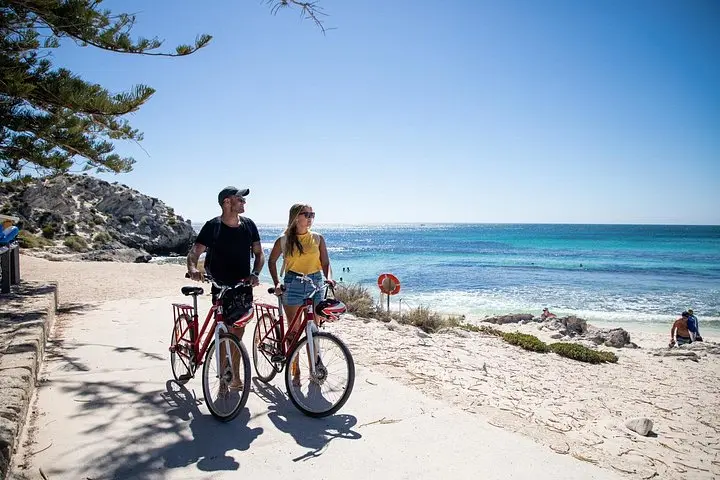
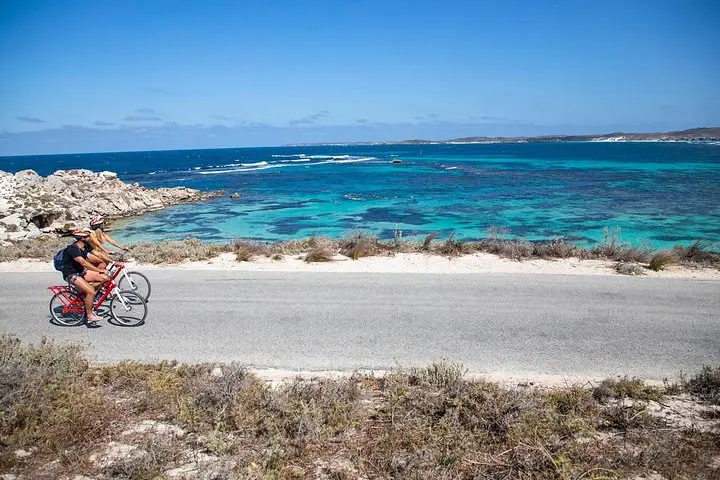
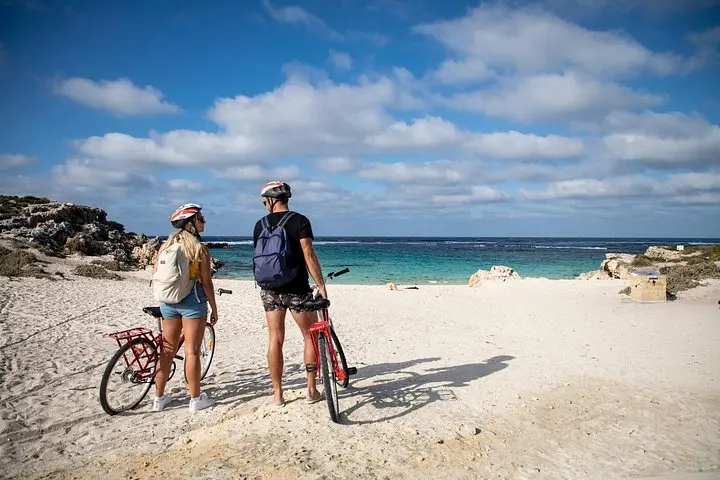
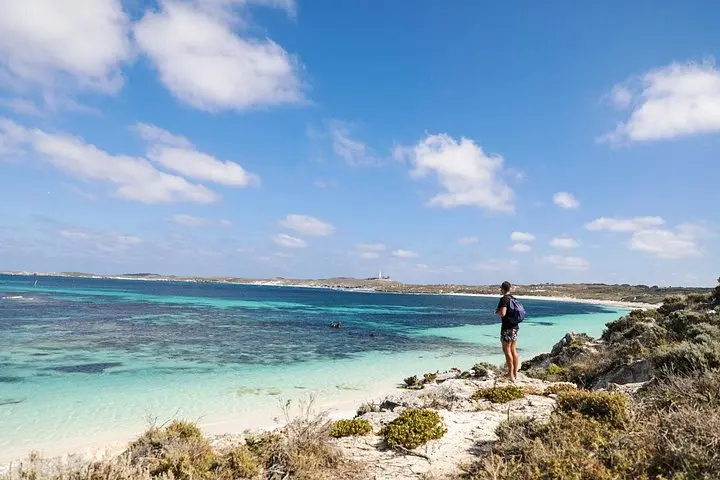
You step off the ferry into a wind that carries salt and a low, dry vegetation scent—Rottnest Island’s open coastline meets you like an invitation. The island’s narrow roads unfurl under bicycle tires as quokkas peek from dune grasses; turquoise bays dare you to drop your towel and swim. By noon the reef calls, currents brushing fins and mask as you thread between bommies and kelp.
You step off the ferry into a wind that carries salt and a low, dry vegetation scent—Rottnest Island’s open coastline meets you like an invitation. The island’s narrow roads unfurl under bicycle tires as quokkas peek from dune grasses; turquoise bays dare you to drop your towel and swim. By noon the reef calls, currents brushing fins and mask as you thread between bommies and kelp.
Rottnest formed from ancient sea-level changes that left its limestone platforms and rocky outcrops exposed; the island’s landscape is mostly low dunes, cemented sand, and wave-sculpted rock. European history here is layered and complex—Aboriginal presence predates the island’s colonial use as a penal settlement—while more recent maritime traffic shaped the network of jetties and lighthouses.
Culturally, Rottnest balances low-impact tourism with resident wildlife management. The quokka, now a conservation icon, is curious but protected—feeding or handling is prohibited.
Practical guide: ferries depart from Perth and Fremantle; plan for a full day (around eight hours) to cycle, snorkel and relax. Bikes and helmets are included but bring reef shoes for rocky entry points and a reef-safe sunscreen. Water bottles and a light wind layer keep you comfortable when the sea breeze shifts. Swim in designated bays and heed local signage; tides and wind impact snorkel conditions. If you’re new to open-water snorkeling, stick close to shore and alongside an experienced companion or operator. Arrive early to exchange vouchers for boarding passes and allow 30 minutes before departure.
Expect a day where simple transport—pedals and fins—becomes the best way to read an island’s coastline.