THE ADVENTURE COLLECTIVE® · Independent discovery and booking for outdoor travel

A guided half‑day snorkel tour around Rottnest Island that combines boat access to sheltered bays, in‑water guides, and equipment hire. Ideal for swimmers who want a focused three‑hour marine outing from Fremantle.
A guided half‑day snorkel tour around Rottnest Island that combines boat access to sheltered bays, in‑water guides, and equipment hire. Ideal for swimmers who want a focused three‑hour marine outing from Fremantle.
You step onto a 17‑metre boat as sunlight skims the Indian Ocean and Fremantle recedes into a blue horizon. The crew checks fins and masks while the island—Wadjemup in Noongar language—grows larger, its low limestone cliffs and sheltered bays promising calmer water and vibrant reefs.
Verified experiences and guided adventures in the surrounding area.
Operated by Rottnest Snorkel · Rottnest Island, Western Australia
You step onto a 17‑metre boat as sunlight skims the Indian Ocean and Fremantle recedes into a blue horizon. The crew checks fins and masks while the island—Wadjemup in Noongar language—grows larger, its low limestone cliffs and sheltered bays promising calmer water and vibrant reefs.
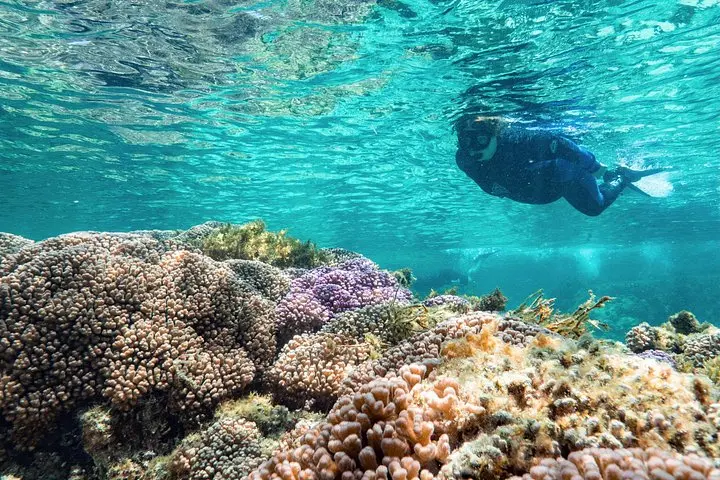
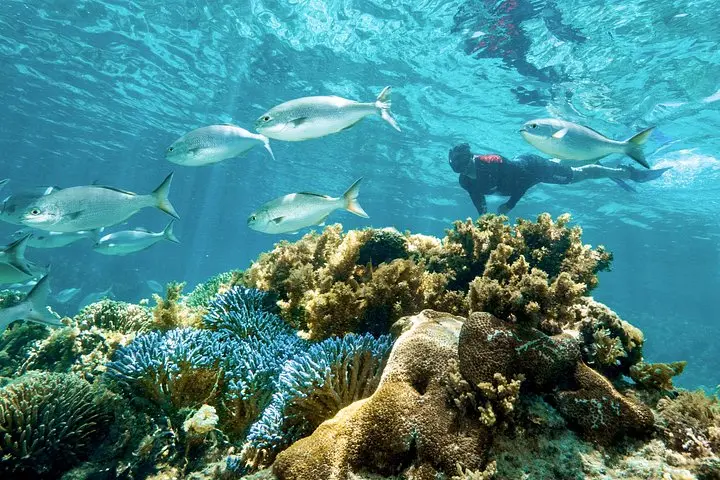
Rottnest is volcanic and limestone in origin; its reefs host coral patches and seagrass meadows that shelter hundreds of fish species and the occasional shipwreck. European explorers gave it the name Rottnest, and the island also carries a deeper human story: it’s country for the Noongar people and later played roles in maritime navigation and settlement.
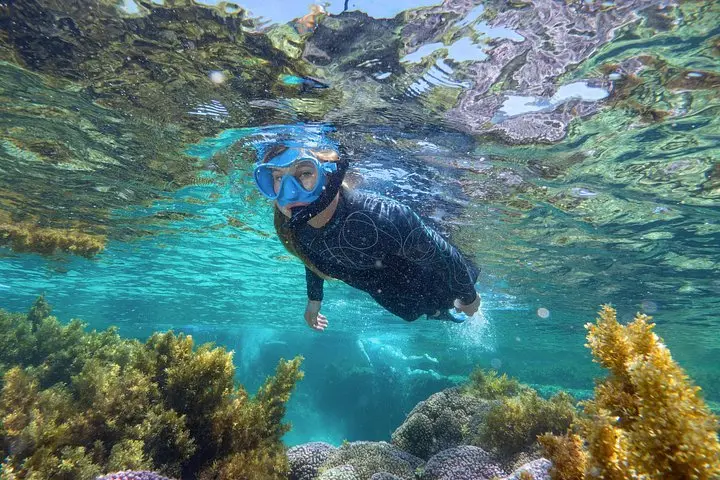
The guided snorkel tour moves between protected bays where guides point out reef structure, fish behavior and fragile coral. Water here often feels warm and clear in summer; currents can shift, so guides position swimmers in calm pockets and near wreck fragments where marine life gathers. Above water, quokkas patrol dune vegetation and seabirds wheel over reefs that dare you to look closer.
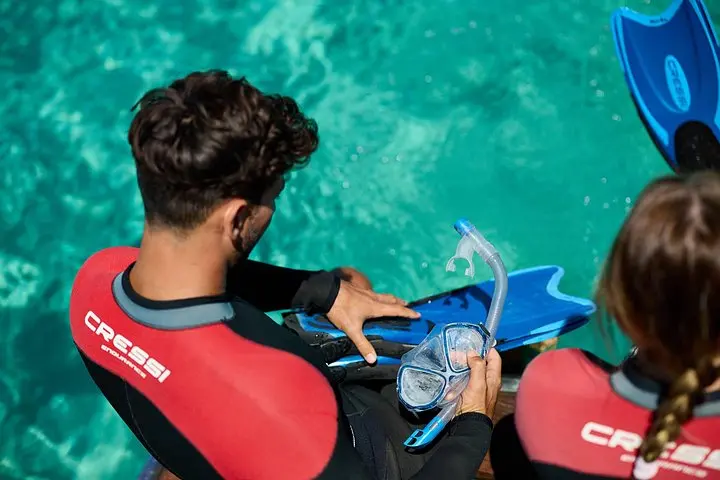
Practical guidance: tours run about three hours, with masks, fins and wetsuits provided—bring reef‑safe sunscreen and a light rash guard. Be ready to enter from swim platforms; if you’re prone to seasickness time your food and meds ahead. Respect marine life: no touching coral or feeding fish. Morning trips usually offer the best visibility and smaller swells; afternoon light can make colors pop but may bring more breeze. This half‑day option is efficient for explorers based in Fremantle or Perth who want maximum water time with minimal logistics.
Yes—masks, fins, wetsuits and flotation aids are included in the tour price, though you can bring personal gear if preferred.
Yes—participants must be able to swim unassisted and be comfortable in open water; guides assist in the water but do not tow non‑swimmers.
Tours may be cancelled or rescheduled for rough seas or poor visibility; full refunds are usually available if cancelled at least 24 hours prior under the operator’s policy.
Yes—quokkas are common on land and dolphins or sea birds are often spotted; sightings aren’t guaranteed but are frequent around Rottnest.
Rottnest Snorkel operates guided outdoor trips and adventures with an emphasis on safety, stewardship, and memorable experiences.
You step onto a 17‑metre boat as sunlight skims the Indian Ocean and Fremantle recedes into a blue horizon. The crew checks fins and masks while the island—Wadjemup in Noongar language—grows larger, its low limestone cliffs and sheltered bays promising calmer water and vibrant reefs.
You step onto a 17‑metre boat as sunlight skims the Indian Ocean and Fremantle recedes into a blue horizon. The crew checks fins and masks while the island—Wadjemup in Noongar language—grows larger, its low limestone cliffs and sheltered bays promising calmer water and vibrant reefs.
Rottnest is volcanic and limestone in origin; its reefs host coral patches and seagrass meadows that shelter hundreds of fish species and the occasional shipwreck. European explorers gave it the name Rottnest, and the island also carries a deeper human story: it’s country for the Noongar people and later played roles in maritime navigation and settlement.
The guided snorkel tour moves between protected bays where guides point out reef structure, fish behavior and fragile coral. Water here often feels warm and clear in summer; currents can shift, so guides position swimmers in calm pockets and near wreck fragments where marine life gathers. Above water, quokkas patrol dune vegetation and seabirds wheel over reefs that dare you to look closer.
Practical guidance: tours run about three hours, with masks, fins and wetsuits provided—bring reef‑safe sunscreen and a light rash guard. Be ready to enter from swim platforms; if you’re prone to seasickness time your food and meds ahead. Respect marine life: no touching coral or feeding fish. Morning trips usually offer the best visibility and smaller swells; afternoon light can make colors pop but may bring more breeze. This half‑day option is efficient for explorers based in Fremantle or Perth who want maximum water time with minimal logistics.