THE ADVENTURE COLLECTIVE® · Independent discovery and booking for outdoor travel

Spend a full day from Rouen exploring Canada’s role on D‑Day: landing sites on Juno Beach, the Juno Beach Centre museum, and the Bény‑sur‑Mer Canadian War Cemetery. This private tour combines coastal landscape, museum interpretation, and solemn memorials with return transfers timed for cruisers.
Spend a full day from Rouen exploring Canada’s role on D‑Day: landing sites on Juno Beach, the Juno Beach Centre museum, and the Bény‑sur‑Mer Canadian War Cemetery. This private tour combines coastal landscape, museum interpretation, and solemn memorials with return transfers timed for cruisers.
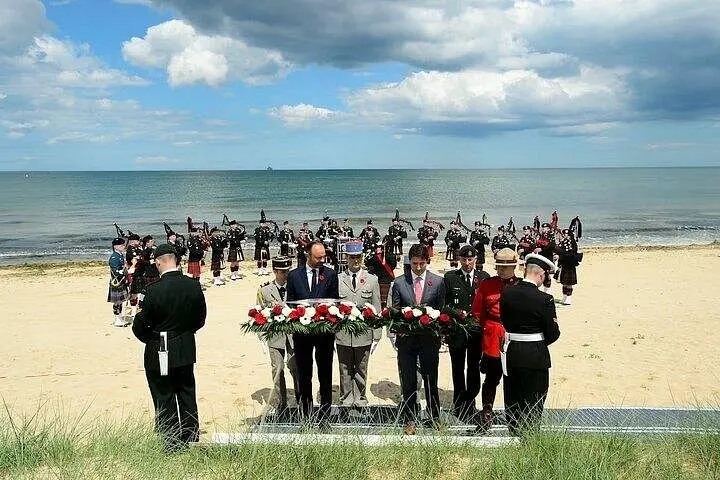
A thin Atlantic wind pushes at the low dunes as your vehicle eases into the long curve of Juno Beach — sand, bunkers and the flat horizon where men first fought their way ashore in June 1944.
Verified experiences and guided adventures in the surrounding area.
Operated by Normandy Private Tours · Courseulles-sur-Mer, Calvados
A thin Atlantic wind pushes at the low dunes as your vehicle eases into the long curve of Juno Beach — sand, bunkers and the flat horizon where men first fought their way ashore in June 1944.
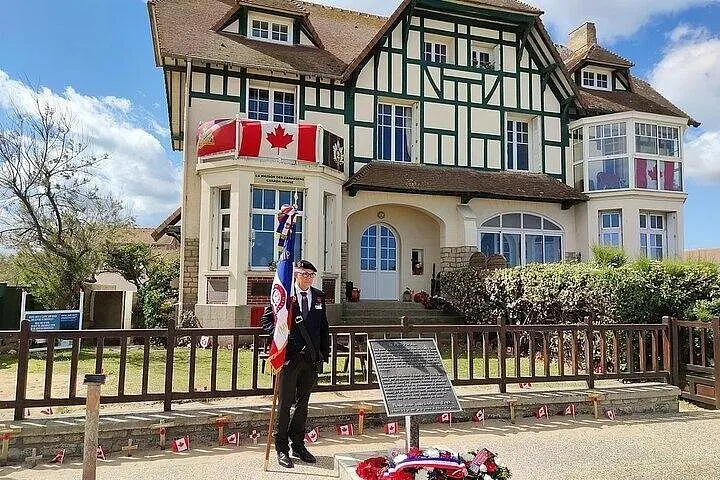
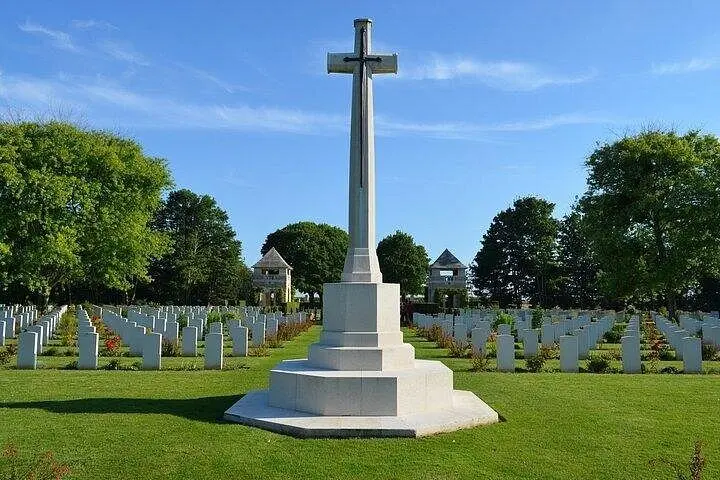
This private day trip from Rouen traces the Canadian sector of D‑Day: the sand and steel of Juno Beach, the Juno Beach Centre’s galleries of photos and first‑hand accounts, and the quiet rows of limestone at Bény‑sur‑Mer Canadian War Cemetery. The coast here is recent geology — low chalk cliffs cut by tides, beaches shaped by the Channel’s currents — and its villages still wear wartime scars in memorials, plaques and the occasional bunker half‑buried in the dunes.
Culturally the route is a study in remembrance: local communities host memorials and annual ceremonies; the Juno Beach Centre interprets how Canada mobilized thousands of men and women and lost tens of thousands during the conflict.
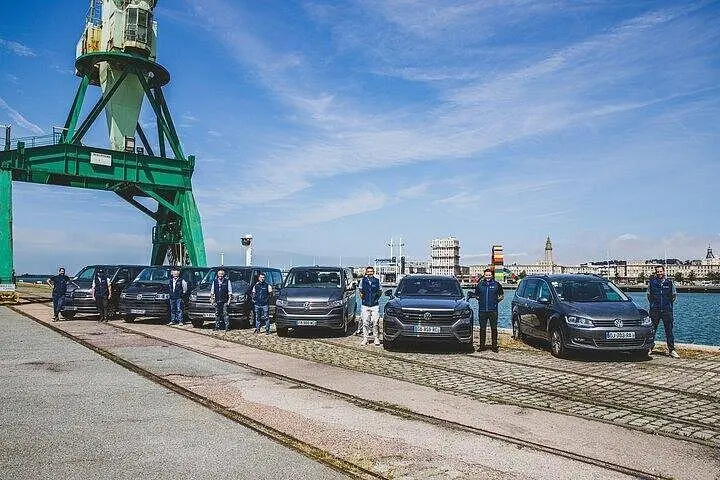
Practically, expect a full 9‑hour day with multiple stops and short walks across sand and low paths. Museum time is self‑paced but guided narration brings context to the monuments and tombstones. Bring layers — the Channel will change temperature by the hour — comfortable walking shoes for uneven surfaces, and a respectful silence at cemeteries. If you’re cruising, confirm pickup and return times: organizers routinely coordinate port transfers to get you back to ship on schedule.
This tour balances close‑up history with coastal landscape: you leave with a clearer picture of the Canadian role in Normandy and practical knowledge to explore further — Arromanches’ Mulberry remains, local memorials, and the small museums that map the invasion from land and sea.
The tour runs about 9 hours from Rouen and includes private transportation, bottled water, and visits to Juno Beach, the Juno Beach Centre (museum entry separate unless specified), and Bény‑sur‑Mer cemetery.
Yes — the tour is rated easy with short, mostly flat walks; organisers note stroller and wheelchair accessibility for many transport and surface areas but specific sites may have uneven ground.
Operators experienced with cruisers coordinate pickup/drop‑off from the cruise terminal; confirm your ship’s departure time at booking to guarantee timely return.
Admission is typically not included by default; check booking details. Time at the museum is usually allocated in the itinerary for self‑guided visits.
Normandy Private Tours operates guided outdoor trips and adventures with an emphasis on safety, stewardship, and memorable experiences.
A thin Atlantic wind pushes at the low dunes as your vehicle eases into the long curve of Juno Beach — sand, bunkers and the flat horizon where men first fought their way ashore in June 1944.
A thin Atlantic wind pushes at the low dunes as your vehicle eases into the long curve of Juno Beach — sand, bunkers and the flat horizon where men first fought their way ashore in June 1944.
This private day trip from Rouen traces the Canadian sector of D‑Day: the sand and steel of Juno Beach, the Juno Beach Centre’s galleries of photos and first‑hand accounts, and the quiet rows of limestone at Bény‑sur‑Mer Canadian War Cemetery. The coast here is recent geology — low chalk cliffs cut by tides, beaches shaped by the Channel’s currents — and its villages still wear wartime scars in memorials, plaques and the occasional bunker half‑buried in the dunes.
Culturally the route is a study in remembrance: local communities host memorials and annual ceremonies; the Juno Beach Centre interprets how Canada mobilized thousands of men and women and lost tens of thousands during the conflict.
Practically, expect a full 9‑hour day with multiple stops and short walks across sand and low paths. Museum time is self‑paced but guided narration brings context to the monuments and tombstones. Bring layers — the Channel will change temperature by the hour — comfortable walking shoes for uneven surfaces, and a respectful silence at cemeteries. If you’re cruising, confirm pickup and return times: organizers routinely coordinate port transfers to get you back to ship on schedule.
This tour balances close‑up history with coastal landscape: you leave with a clearer picture of the Canadian role in Normandy and practical knowledge to explore further — Arromanches’ Mulberry remains, local memorials, and the small museums that map the invasion from land and sea.