THE ADVENTURE COLLECTIVE® · Independent discovery and booking for outdoor travel

Brace for rapid-fire ledges, plunging drops and loud, hands-on paddling along Quebec’s Rouge River. This full-day rafting package pairs guided safety with high-energy whitewater through Laurentian granite.
Brace for rapid-fire ledges, plunging drops and loud, hands-on paddling along Quebec’s Rouge River. This full-day rafting package pairs guided safety with high-energy whitewater through Laurentian granite.
A low, cold light slides over the Laurentian ridges as the Rouge wakes and the river starts to move — a restless, chiselled channel of granite cuts and tumbling water that dares you to read its pace. On a full-day Rouge River rafting trip participants find themselves cradled in a rigid raft while the river’s ledges, drops and waves arrange a sequence of quick decisions and loud laughter.
Verified experiences and guided adventures in the surrounding area.
Operated by Gilles Talbot · Mont-Tremblant, Quebec
A low, cold light slides over the Laurentian ridges as the Rouge wakes and the river starts to move — a restless, chiselled channel of granite cuts and tumbling water that dares you to read its pace. On a full-day Rouge River rafting trip participants find themselves cradled in a rigid raft while the river’s ledges, drops and waves arrange a sequence of quick decisions and loud laughter.
The Rouge drains the western Laurentians and runs across exposed Canadian Shield granite, so the rapids are sculpted by ancient rock and short, steep drops rather than long flat stretches. The corridor has long been used for timber drives and summer sport; local outfitting grew in the 20th century as paddlers sought accessible whitewater within a two-hour drive of Montreal. Culturally the region blends francophone Laurentian villages with outdoor-tourism services centered on seasons: spring runoff and early summer often produce the most lively water levels.
Practical guidance: the operation supplies helmets, life jackets and paddles; expect close-to-raft swimming on bigger waves and clear, brisk water during spring and early summer. Wear quick-dry synthetic layers, secure water shoes, and stash a light dry bag for keys and phone. Hydrate before departure and bring a small, salt-free snack if prone to nausea; guides include a photo/video briefing and a full lunch and dinner on the day package. Plan transportation into the outfitter’s meeting point outside Montreal, and allow time after the run to change and warm up — the river gives thrills quickly, then settles to a satisfied, steady run downstream.
No — the package is designed for novices and experienced rafters; guides provide hands-on instruction and keep group safety a priority.
Rapids are a mix of class II–III (occasionally IV during high runoff) with short ledges and waves; guides will brief on conditions and safety techniques.
Yes — the full-day package includes lunch and a salmon or steak dinner, plus a photo and video presentation from the trip.
Minimum age varies by operator; small children may ride with guardians in designated seats — check with the outfitter ahead of booking for exact age and weight rules.
Gilles Talbot operates guided outdoor trips and adventures with an emphasis on safety, stewardship, and memorable experiences.
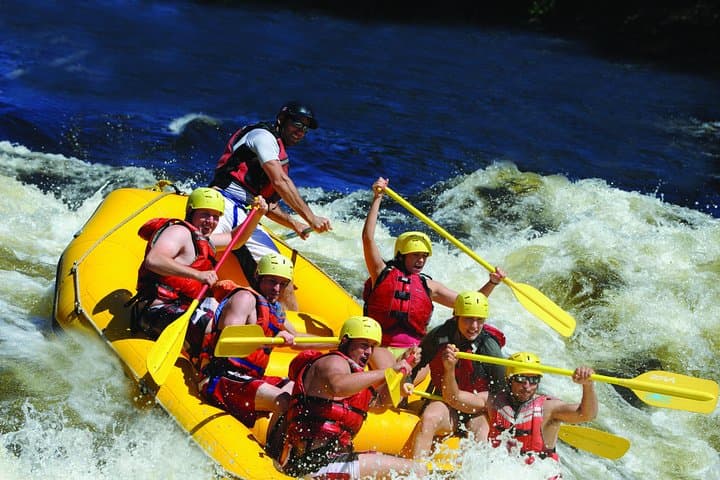
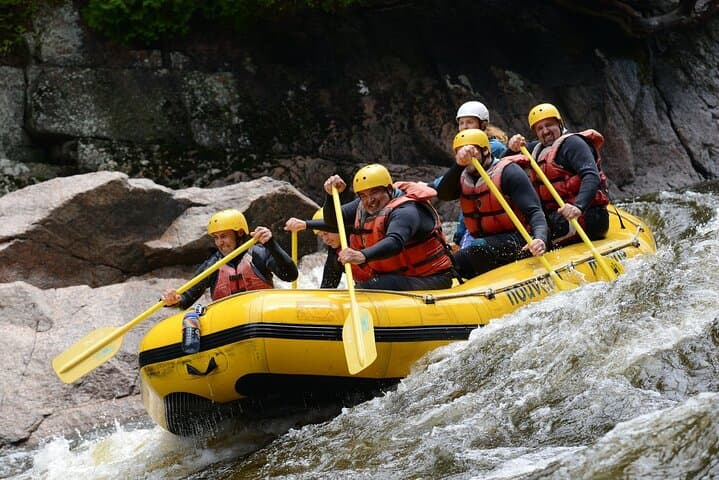
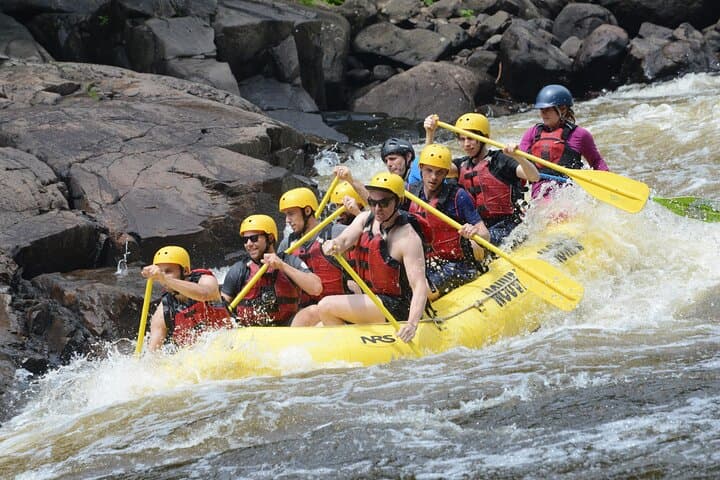
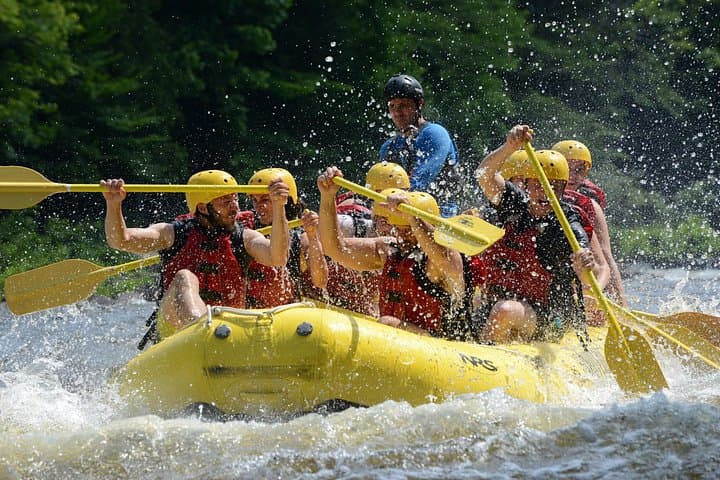
A low, cold light slides over the Laurentian ridges as the Rouge wakes and the river starts to move — a restless, chiselled channel of granite cuts and tumbling water that dares you to read its pace. On a full-day Rouge River rafting trip participants find themselves cradled in a rigid raft while the river’s ledges, drops and waves arrange a sequence of quick decisions and loud laughter.
A low, cold light slides over the Laurentian ridges as the Rouge wakes and the river starts to move — a restless, chiselled channel of granite cuts and tumbling water that dares you to read its pace. On a full-day Rouge River rafting trip participants find themselves cradled in a rigid raft while the river’s ledges, drops and waves arrange a sequence of quick decisions and loud laughter.
The Rouge drains the western Laurentians and runs across exposed Canadian Shield granite, so the rapids are sculpted by ancient rock and short, steep drops rather than long flat stretches. The corridor has long been used for timber drives and summer sport; local outfitting grew in the 20th century as paddlers sought accessible whitewater within a two-hour drive of Montreal. Culturally the region blends francophone Laurentian villages with outdoor-tourism services centered on seasons: spring runoff and early summer often produce the most lively water levels.
Practical guidance: the operation supplies helmets, life jackets and paddles; expect close-to-raft swimming on bigger waves and clear, brisk water during spring and early summer. Wear quick-dry synthetic layers, secure water shoes, and stash a light dry bag for keys and phone. Hydrate before departure and bring a small, salt-free snack if prone to nausea; guides include a photo/video briefing and a full lunch and dinner on the day package. Plan transportation into the outfitter’s meeting point outside Montreal, and allow time after the run to change and warm up — the river gives thrills quickly, then settles to a satisfied, steady run downstream.