THE ADVENTURE COLLECTIVE® · Independent discovery and booking for outdoor travel

Drive a full-circuit 8-day overland route through the Dominican Republic by 4x4, from colonial Santo Domingo to highland valleys, coastal beaches and beachside camping. Expect varied roads, farm visits, and a mix of family hotels, eco-lodges and one night under the stars.
Drive a full-circuit 8-day overland route through the Dominican Republic by 4x4, from colonial Santo Domingo to highland valleys, coastal beaches and beachside camping. Expect varied roads, farm visits, and a mix of family hotels, eco-lodges and one night under the stars.
The engine rumbles, dust lifts, and the shoreline slides away as a 4x4 climbs out of a coastal village toward the interior. Salty air gives way to pine-scented highland mornings in Jarabacoa and Constanza; by night campfires on white sand beaches puncture darkness with music and conversation.
Verified experiences and guided adventures in the surrounding area.
Operated by Cafetours · Santo Domingo, Santo Domingo
The engine rumbles, dust lifts, and the shoreline slides away as a 4x4 climbs out of a coastal village toward the interior. Salty air gives way to pine-scented highland mornings in Jarabacoa and Constanza; by night campfires on white sand beaches puncture darkness with music and conversation.
This eight-day circuit threads the island’s contrasts: colonial streets in Santo Domingo, tobacco and coffee lanes around Santiago and Villa González, limestone coves and surf breaks on the north coast, and the high, cool valleys of the Cordillera Central where elevations approach 1,000–1,300 m. Geology shifts quickly—limestone karst and dry scrub in the southwest, volcanic soils in the interior that support cacao and strawberries, and broad alluvial plains near major rivers. Cultural stops include family-run cacao and coffee farms, the mango villages around Bani, and small coastal fishing towns where fresh ceviche appears midday.
Expect a mixed itinerary: paved highways, mountain switchbacks, gravel tracks and short beach drives; total ground distance covers roughly 1,000–1,500 km across varied surfaces. Practical prep matters—carry hydration, sun protection, and a small first-aid kit; pack layers for cool highland evenings and waterproofs for tropical showers. Start days early to avoid mid-afternoon heat and leave flexibility—roads and weather can change plans. Accommodations vary from family hotels and eco-lodges to a beachfront camp at Pedernales. For travelers who want hands-on overland time, this route balances scenery, cultural engagement and the practicalities of long-distance vehicle travel across the Dominican Republic.
The itinerary mentions passengers acting as pilot with a co-pilot; confirm at booking whether you will drive or a local driver is provided and what licensing is required.
Many accommodations and transport options list wheelchair accessibility, but road surface and some sites (beaches, trails) may be uneven—check specifics with the operator for mobility needs.
One night is listed as beachfront camping in Pedernales with basic campsite housing and a campfire atmosphere; bring personal sleeping comfort items if you prefer extra bedding.
Dry season (December–April) offers the most stable weather; travel during the rainy season (May–November) can still be rewarding but expect more showers and possible road delays.
Cafetours operates guided outdoor trips and adventures with an emphasis on safety, stewardship, and memorable experiences.
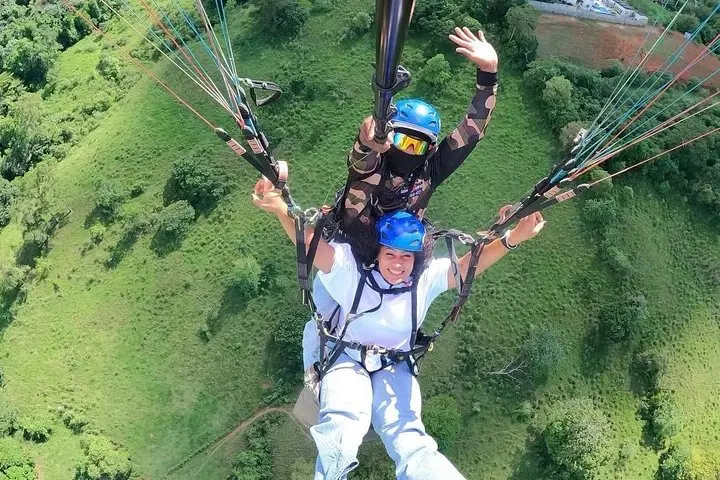
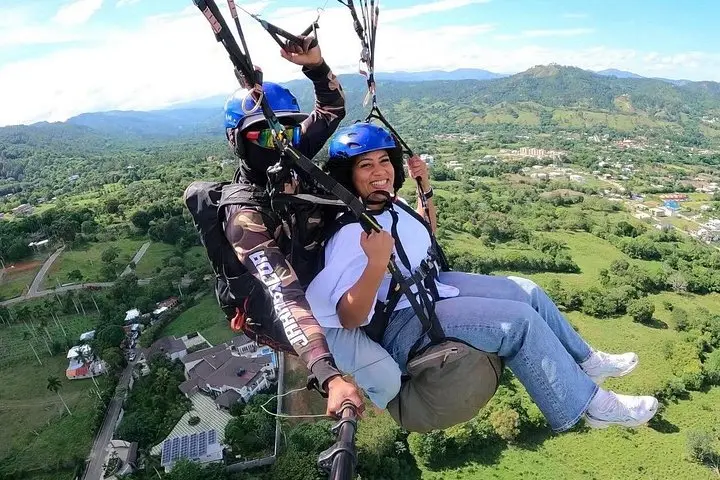
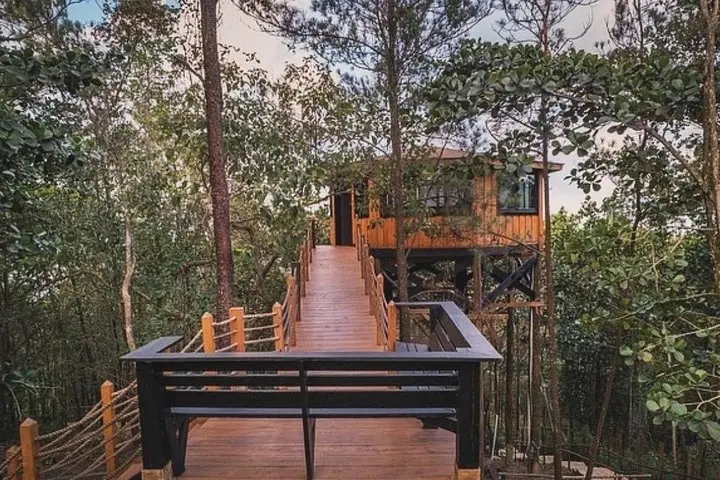
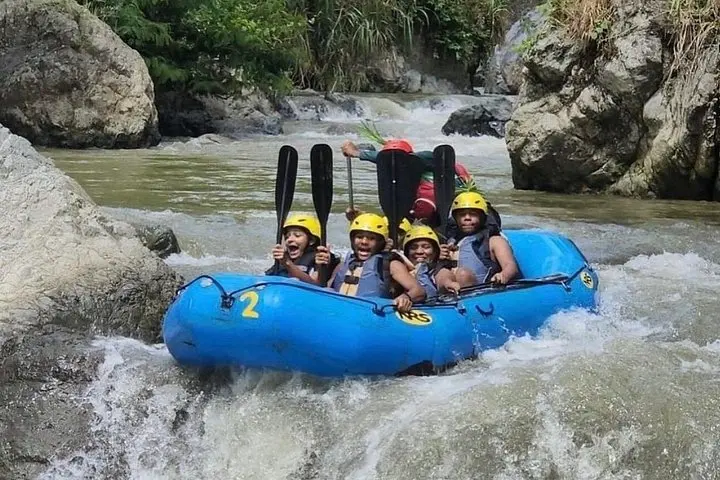
The engine rumbles, dust lifts, and the shoreline slides away as a 4x4 climbs out of a coastal village toward the interior. Salty air gives way to pine-scented highland mornings in Jarabacoa and Constanza; by night campfires on white sand beaches puncture darkness with music and conversation.
The engine rumbles, dust lifts, and the shoreline slides away as a 4x4 climbs out of a coastal village toward the interior. Salty air gives way to pine-scented highland mornings in Jarabacoa and Constanza; by night campfires on white sand beaches puncture darkness with music and conversation.
This eight-day circuit threads the island’s contrasts: colonial streets in Santo Domingo, tobacco and coffee lanes around Santiago and Villa González, limestone coves and surf breaks on the north coast, and the high, cool valleys of the Cordillera Central where elevations approach 1,000–1,300 m. Geology shifts quickly—limestone karst and dry scrub in the southwest, volcanic soils in the interior that support cacao and strawberries, and broad alluvial plains near major rivers. Cultural stops include family-run cacao and coffee farms, the mango villages around Bani, and small coastal fishing towns where fresh ceviche appears midday.
Expect a mixed itinerary: paved highways, mountain switchbacks, gravel tracks and short beach drives; total ground distance covers roughly 1,000–1,500 km across varied surfaces. Practical prep matters—carry hydration, sun protection, and a small first-aid kit; pack layers for cool highland evenings and waterproofs for tropical showers. Start days early to avoid mid-afternoon heat and leave flexibility—roads and weather can change plans. Accommodations vary from family hotels and eco-lodges to a beachfront camp at Pedernales. For travelers who want hands-on overland time, this route balances scenery, cultural engagement and the practicalities of long-distance vehicle travel across the Dominican Republic.