THE ADVENTURE COLLECTIVE® · Independent discovery and booking for outdoor travel

A 15-day road trip that stitches Marrakech, the High Atlas, Erg Chebbi dunes, historic Fès and Chefchaouen, and the Atlantic coast into one sweeping route. Expect mountain passes, desert bivouacs, and coastal towns with plenty of photo-ready stops.
A 15-day road trip that stitches Marrakech, the High Atlas, Erg Chebbi dunes, historic Fès and Chefchaouen, and the Atlantic coast into one sweeping route. Expect mountain passes, desert bivouacs, and coastal towns with plenty of photo-ready stops.
You step out of the air-conditioned van into a wind that carries citrus and cumin — Marrakech’s ochre walls dissolve behind you as the High Atlas rises, road cleaving villages and terraced fields. Days alternate between atlas passes and coastal air: the Tizi n’Tichka climb to 2,260 m offers sharp switchbacks and panoramic views, while the Erg Chebbi dunes near Merzouga stretch 22 km with crestlines up to 200 m that change with every gust.
Verified experiences and guided adventures in the surrounding area.
Operated by Adventure masters · Marrakech, Marrakech-Safi
You step out of the air-conditioned van into a wind that carries citrus and cumin — Marrakech’s ochre walls dissolve behind you as the High Atlas rises, road cleaving villages and terraced fields. Days alternate between atlas passes and coastal air: the Tizi n’Tichka climb to 2,260 m offers sharp switchbacks and panoramic views, while the Erg Chebbi dunes near Merzouga stretch 22 km with crestlines up to 200 m that change with every gust.
This itinerary threads Morocco’s layers: imperial cities born of medieval trade, kasbahs built in rammed earth, Roman ruins at Volubilis, and the bluewashed houses of Chefchaouen in the Rif. Geologically, the route moves from folded metamorphic ranges of the Atlas to alluvial plains and finally to coastal sandstone and Atlantic sands; the Todra Gorges cut sheer limestone walls over 300 m high.
Culturally, expect medina rhythms — souks, tannery terraces, and evening squares where storytellers and food stalls take over Djemaa El Fna. In rural spots, Berber hospitality and Gnawa music in Khamlia reveal living traces of trans-Saharan exchange.
Practically: plan for long drives between stops (several 3–6 hour legs), alternating light walking with vehicle travel. Bring layered clothing for cold nights in desert bivouacs, a good pair of walking shoes for medina cobbles, and sun protection for exposed dune and coast sections. Water is scarce in desert stretches — carry at least 2–3 liters per person for daytime excursions. Book the optional bivouac in Merzouga in advance if you want a full-star desert night; otherwise hotels and riads are available in every major stop.
The tour can start from Marrakech, Ouarzazate, Agadir or Casablanca; most itineraries begin and finish in Marrakech unless otherwise arranged.
An optional bivouac in the Erg Chebbi dunes is available for an extra fee; hotels and riads are provided on nights when bivouac isn’t selected.
Expect several legs of 3–6 hours on many days; some stretches through the Atlas and between imperial cities are longer but broken by stops.
Visa and vaccination requirements depend on nationality—check Moroccan embassy guidance before travel and ensure routine vaccinations are current.
Adventure masters operates guided outdoor trips and adventures with an emphasis on safety, stewardship, and memorable experiences.

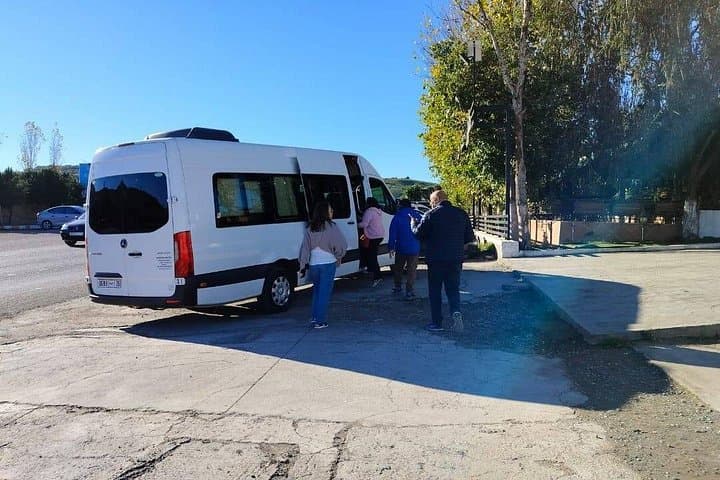

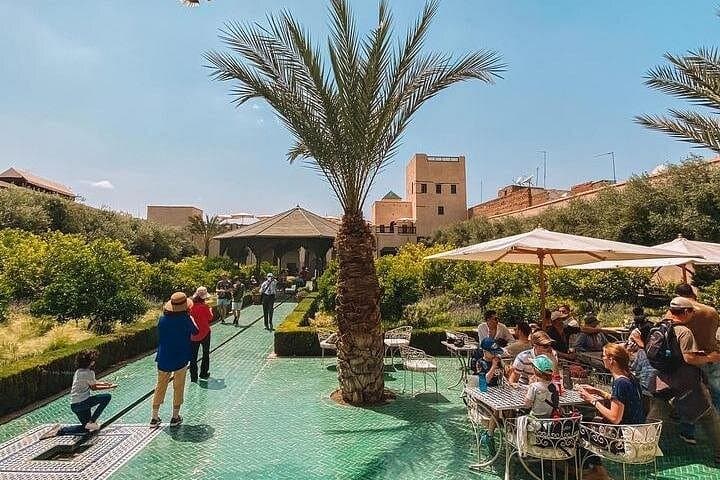
You step out of the air-conditioned van into a wind that carries citrus and cumin — Marrakech’s ochre walls dissolve behind you as the High Atlas rises, road cleaving villages and terraced fields. Days alternate between atlas passes and coastal air: the Tizi n’Tichka climb to 2,260 m offers sharp switchbacks and panoramic views, while the Erg Chebbi dunes near Merzouga stretch 22 km with crestlines up to 200 m that change with every gust.
You step out of the air-conditioned van into a wind that carries citrus and cumin — Marrakech’s ochre walls dissolve behind you as the High Atlas rises, road cleaving villages and terraced fields. Days alternate between atlas passes and coastal air: the Tizi n’Tichka climb to 2,260 m offers sharp switchbacks and panoramic views, while the Erg Chebbi dunes near Merzouga stretch 22 km with crestlines up to 200 m that change with every gust.
This itinerary threads Morocco’s layers: imperial cities born of medieval trade, kasbahs built in rammed earth, Roman ruins at Volubilis, and the bluewashed houses of Chefchaouen in the Rif. Geologically, the route moves from folded metamorphic ranges of the Atlas to alluvial plains and finally to coastal sandstone and Atlantic sands; the Todra Gorges cut sheer limestone walls over 300 m high.
Culturally, expect medina rhythms — souks, tannery terraces, and evening squares where storytellers and food stalls take over Djemaa El Fna. In rural spots, Berber hospitality and Gnawa music in Khamlia reveal living traces of trans-Saharan exchange.
Practically: plan for long drives between stops (several 3–6 hour legs), alternating light walking with vehicle travel. Bring layered clothing for cold nights in desert bivouacs, a good pair of walking shoes for medina cobbles, and sun protection for exposed dune and coast sections. Water is scarce in desert stretches — carry at least 2–3 liters per person for daytime excursions. Book the optional bivouac in Merzouga in advance if you want a full-star desert night; otherwise hotels and riads are available in every major stop.