THE ADVENTURE COLLECTIVE® · Independent discovery and booking for outdoor travel

Follow the historic Royal Road from Nice into the Southern Alps on a private, full‑day cultural tour. Visit medieval villages, a 15th‑century forest chapel, and panoramic Roya Valley drives with an expert guide.
Follow the historic Royal Road from Nice into the Southern Alps on a private, full‑day cultural tour. Visit medieval villages, a 15th‑century forest chapel, and panoramic Roya Valley drives with an expert guide.
Morning light cuts across the Mediterranean foothills as a minivan eases out of Nice and the air turns cooler with each hairpin. The tour follows the old Royal Road—often called the salt road—where pack animals once threaded goods between coast and mountain. Villages sit on terraces, their stone lanes and baroque facades shaded by chestnut and fir; the Roya River below dares you to look away.
Verified experiences and guided adventures in the surrounding area.
Operated by 1388 · Nice, Provence-Alpes-Côte d'Azur
Morning light cuts across the Mediterranean foothills as a minivan eases out of Nice and the air turns cooler with each hairpin. The tour follows the old Royal Road—often called the salt road—where pack animals once threaded goods between coast and mountain. Villages sit on terraces, their stone lanes and baroque facades shaded by chestnut and fir; the Roya River below dares you to look away.
This day-long private tour traces millennia of movement: Roman and medieval trade routes, Alpine monastic sites, and 15th‑century frescoed chapels hidden in forest clearings. Geology is visible in the folded limestone and narrow gorges carved by fast water; cultural layers show in cathedrals, monasteries, and villages that kept older building traditions. The guide links local anecdotes to larger history while crossing the French–Italian border, giving context to architecture and to the salt road’s economic role.
Practically, expect a 9–10 hour day with multiple short walks (cobblestones and uneven paths). The itinerary includes guided village visits, a forest chapel with included admission, photo stops along the Roya Valley, and optional monastery access. Dress smart‑casual but wear sturdy shoes for cobbled streets and short trails; bring a light jacket for higher passes and a refillable water bottle—the tour supplies bottled water but extra hydration is sensible. Passport required for the border crossing. Start early to avoid afternoon crowds and to catch the best light on valley overlooks.
Yes, admission to the 15th‑century chapel listed on the itinerary is included; other optional sites like the monastery may have separate fees.
Most departures pick up and return to central Nice hotels or ports; confirm your pickup point when booking.
Walks consist of short village strolls and steps—no long hikes—but require steady footing on uneven surfaces.
The tour may be operated by multi‑lingual guides; request your preferred language at booking to confirm availability.
1388 operates guided outdoor trips and adventures with an emphasis on safety, stewardship, and memorable experiences.
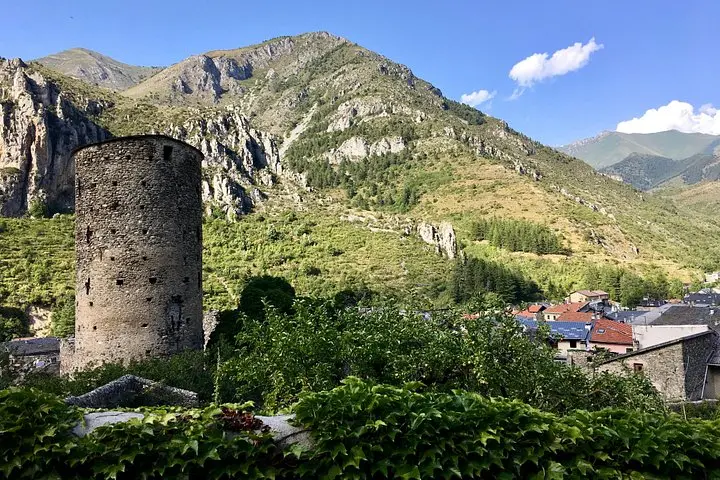
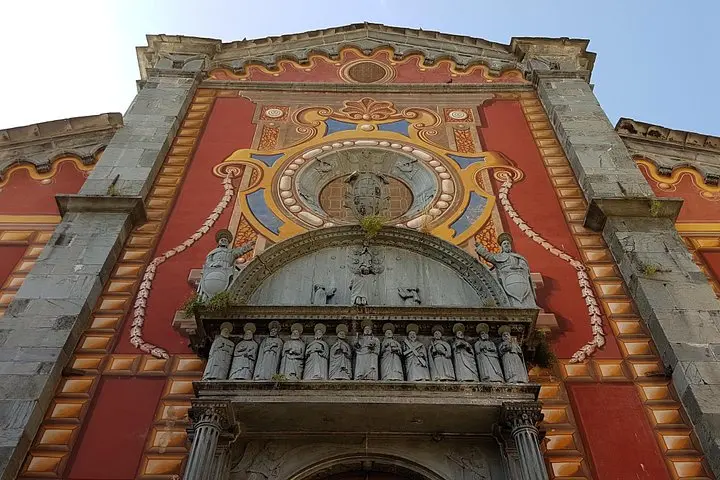
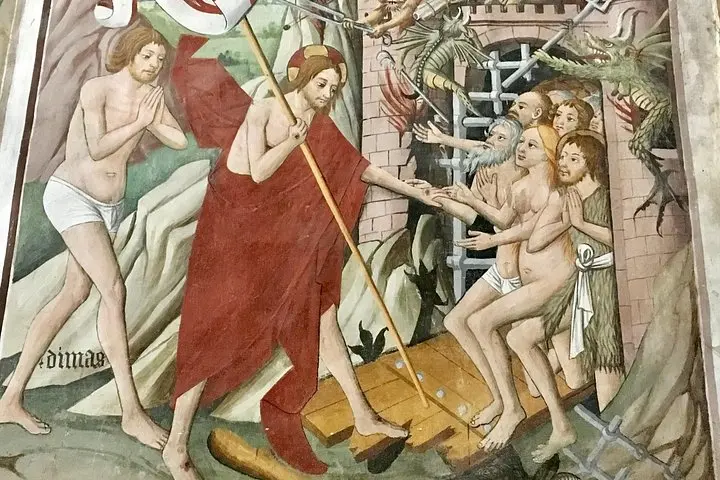
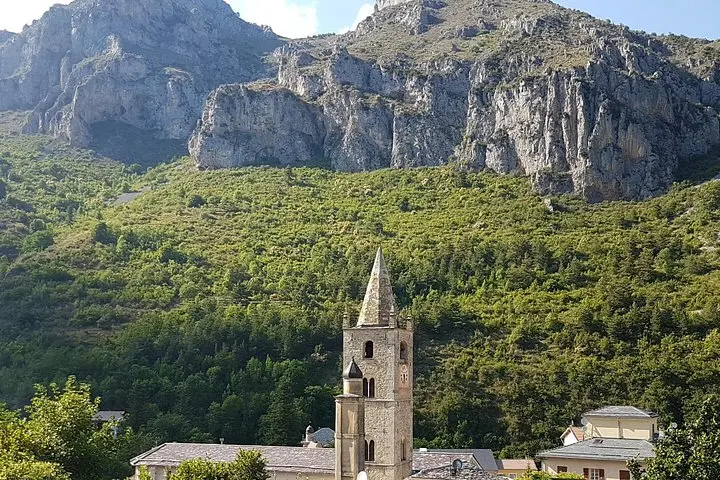
Morning light cuts across the Mediterranean foothills as a minivan eases out of Nice and the air turns cooler with each hairpin. The tour follows the old Royal Road—often called the salt road—where pack animals once threaded goods between coast and mountain. Villages sit on terraces, their stone lanes and baroque facades shaded by chestnut and fir; the Roya River below dares you to look away.
Morning light cuts across the Mediterranean foothills as a minivan eases out of Nice and the air turns cooler with each hairpin. The tour follows the old Royal Road—often called the salt road—where pack animals once threaded goods between coast and mountain. Villages sit on terraces, their stone lanes and baroque facades shaded by chestnut and fir; the Roya River below dares you to look away.
This day-long private tour traces millennia of movement: Roman and medieval trade routes, Alpine monastic sites, and 15th‑century frescoed chapels hidden in forest clearings. Geology is visible in the folded limestone and narrow gorges carved by fast water; cultural layers show in cathedrals, monasteries, and villages that kept older building traditions. The guide links local anecdotes to larger history while crossing the French–Italian border, giving context to architecture and to the salt road’s economic role.
Practically, expect a 9–10 hour day with multiple short walks (cobblestones and uneven paths). The itinerary includes guided village visits, a forest chapel with included admission, photo stops along the Roya Valley, and optional monastery access. Dress smart‑casual but wear sturdy shoes for cobbled streets and short trails; bring a light jacket for higher passes and a refillable water bottle—the tour supplies bottled water but extra hydration is sensible. Passport required for the border crossing. Start early to avoid afternoon crowds and to catch the best light on valley overlooks.