THE ADVENTURE COLLECTIVE® · Independent discovery and booking for outdoor travel

Take the Teleférico up Pichincha and trade city views for wind-scoured páramo on a guided ascent to Rucu Pichincha. This 6–8 hour hike combines cable-car access, a sheltering Bear’s Cave, and a summit with sweeping views of Quito and the western Andes.
Take the Teleférico up Pichincha and trade city views for wind-scoured páramo on a guided ascent to Rucu Pichincha. This 6–8 hour hike combines cable-car access, a sheltering Bear’s Cave, and a summit with sweeping views of Quito and the western Andes.
A thin, cold wind pushes at your jacket as the Teleférico climbs out of Quito’s suburbs and deposits you at the high station, the city shrinking below like a folded map. The trail begins in high páramo where tussock grasses and volcanic scree take turns testing your footing; the air smells of wet stone and a distant, mineral sharpness that comes from old eruptions. As you gain elevation, the landscape opens into rock benches and a narrow arête leading to Rucu Pichincha’s summit, a place that’s been quiet since the volcano last slept.
Verified experiences and guided adventures in the surrounding area.
Operated by Sommer Ekvator · Quito, Pichincha
A thin, cold wind pushes at your jacket as the Teleférico climbs out of Quito’s suburbs and deposits you at the high station, the city shrinking below like a folded map. The trail begins in high páramo where tussock grasses and volcanic scree take turns testing your footing; the air smells of wet stone and a distant, mineral sharpness that comes from old eruptions. As you gain elevation, the landscape opens into rock benches and a narrow arête leading to Rucu Pichincha’s summit, a place that’s been quiet since the volcano last slept.
Geologically, Rucu Pichincha is part of the western rim of the Pichincha volcanic complex—layers of andesite and ash that shaped Quito’s skyline and soil. Culturally, the slopes have long been pathways for locals and guides who read weather like a ledger and carry stories about the mountain’s spirits. The Bear’s Cave (Cueva del Oso) is a commonly used rest point and natural landmark on the ascent; it’s a safe shelter in rainy season and a popular photo stop.
Practically, the route typically uses the Teleférico to shorten the approach, turning a full-day climb into a 6–8 hour outing from pickup to return. Expect uneven terrain, steep final pitches, and strong sun at high altitude. Bring layered clothing for wind and sudden showers, break the climb into steady, breathing-paced sections, and allow time to acclimatize in Quito before attempting the summit. Guided trips usually include transport, Teleférico tickets and basic safety gear—bookings often advise moderate fitness rather than technical climbing skills.
Guided itineraries that use the Teleférico typically take 6–8 hours round-trip: about 3+ hours up depending on pace and 1.5–2 hours to return to the cable car station.
No technical climbing equipment is required for the standard route—sturdy hiking boots, warm layers, and rain protection are sufficient; guides often provide basic safety gear like helmets.
Many guided tours include the Teleférico entrance fee; confirm at booking since it can vary by operator.
Beginners with moderate fitness and no altitude-sensitive conditions can do the hike, but it’s not recommended for people with heart, spinal, or pregnancy-related health issues. Pace yourself and consider acclimatization time.
Sommer Ekvator operates guided outdoor trips and adventures with an emphasis on safety, stewardship, and memorable experiences.
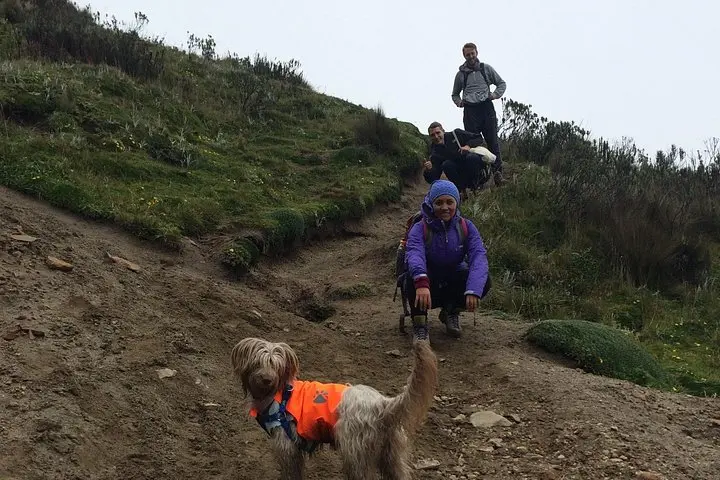
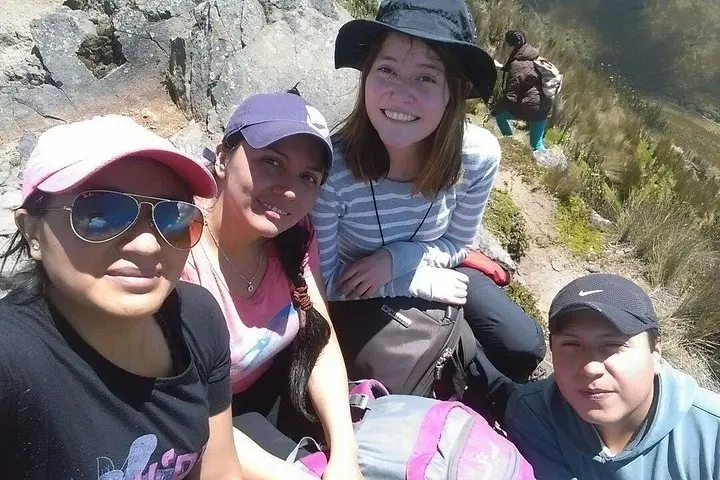
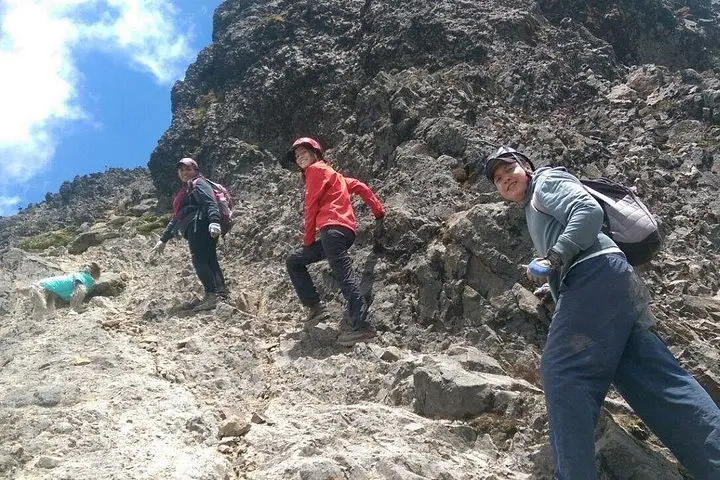
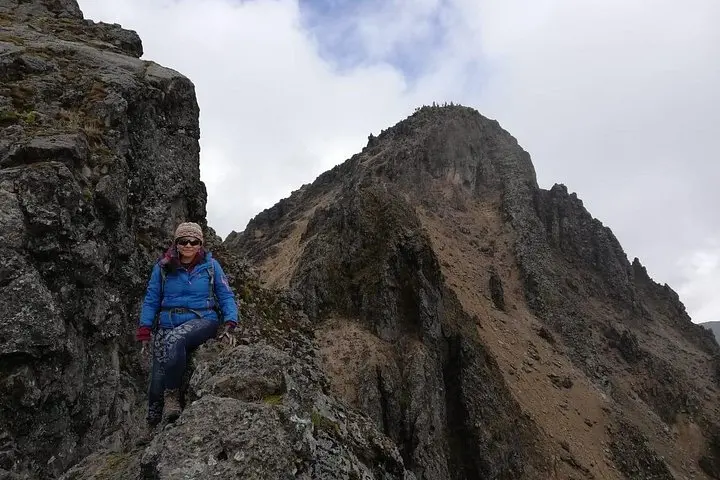
A thin, cold wind pushes at your jacket as the Teleférico climbs out of Quito’s suburbs and deposits you at the high station, the city shrinking below like a folded map. The trail begins in high páramo where tussock grasses and volcanic scree take turns testing your footing; the air smells of wet stone and a distant, mineral sharpness that comes from old eruptions. As you gain elevation, the landscape opens into rock benches and a narrow arête leading to Rucu Pichincha’s summit, a place that’s been quiet since the volcano last slept.
A thin, cold wind pushes at your jacket as the Teleférico climbs out of Quito’s suburbs and deposits you at the high station, the city shrinking below like a folded map. The trail begins in high páramo where tussock grasses and volcanic scree take turns testing your footing; the air smells of wet stone and a distant, mineral sharpness that comes from old eruptions. As you gain elevation, the landscape opens into rock benches and a narrow arête leading to Rucu Pichincha’s summit, a place that’s been quiet since the volcano last slept.
Geologically, Rucu Pichincha is part of the western rim of the Pichincha volcanic complex—layers of andesite and ash that shaped Quito’s skyline and soil. Culturally, the slopes have long been pathways for locals and guides who read weather like a ledger and carry stories about the mountain’s spirits. The Bear’s Cave (Cueva del Oso) is a commonly used rest point and natural landmark on the ascent; it’s a safe shelter in rainy season and a popular photo stop.
Practically, the route typically uses the Teleférico to shorten the approach, turning a full-day climb into a 6–8 hour outing from pickup to return. Expect uneven terrain, steep final pitches, and strong sun at high altitude. Bring layered clothing for wind and sudden showers, break the climb into steady, breathing-paced sections, and allow time to acclimatize in Quito before attempting the summit. Guided trips usually include transport, Teleférico tickets and basic safety gear—bookings often advise moderate fitness rather than technical climbing skills.