THE ADVENTURE COLLECTIVE® · Independent discovery and booking for outdoor travel

Experience four days in Tanzania’s Nyerere National Park—river safaris on the Rufiji, morning game drives for the Big Five, and a restorative soak at Beho Beho hot springs. This practical guide outlines what to expect, how to prepare, and when to go.
Experience four days in Tanzania’s Nyerere National Park—river safaris on the Rufiji, morning game drives for the Big Five, and a restorative soak at Beho Beho hot springs. This practical guide outlines what to expect, how to prepare, and when to go.
Dawn lifts off the Rufiji River in a slow, amber sweep; hippos surface like sleeping boulders and reeds whisper as a patrol of elephants moves through the floodplain. Over four days in Nyerere National Park (formerly part of Selous), the landscape alternates between river channels that dare you to get closer and broad miombo woodlands that hold predators in shadow.
Verified experiences and guided adventures in the surrounding area.
Operated by Envoyage Tanzania · Dar es Salaam, Pwani Region
Dawn lifts off the Rufiji River in a slow, amber sweep; hippos surface like sleeping boulders and reeds whisper as a patrol of elephants moves through the floodplain. Over four days in Nyerere National Park (formerly part of Selous), the landscape alternates between river channels that dare you to get closer and broad miombo woodlands that hold predators in shadow.
This region was reorganized and renamed Nyerere in 2019 to strengthen protection of Tanzania’s largest contiguous wildlife area. Geologically, the park sits on alluvial plains carved by the Rufiji, with patchwork floodplains, riverine forests and ancient granitic outcrops. Local communities of the Rufiji basin maintain fishing and irrigated rice traditions—visitors often glimpse village life at roadside markets before the remoteness swallows the road.
Expect game drives at first light, a boat safari that brings birdlife and crocodiles into focus, and a restorative dip at Beho Beho hot springs. Guides read animal behavior like a language; your best sightings come from patience and timing. Accommodations are tented lodges—comfort with thin walls to the bush.
Practical notes: travel light but prepared—sturdy walking shoes for bush walks, sun protection for midday, and a small daypack for water and camera gear. Mosquito protection is important after sunset. The park is best visited during the dry season (June–October) for concentrated wildlife around remaining waterholes, while the green season (November–May) offers prolific birding and dramatic river flows. Respect viewing distances, follow your guide’s instructions, and carry local currency for village purchases. With planning and a patient eye, Nyerere delivers a classic, up-close African safari.
Dry season (June–October) concentrates wildlife around water and offers easier travel; the wet season (November–May) brings lush scenery and excellent birding but can make some tracks muddy.
Yes—operators run family-friendly options, but children should follow guide rules, remain seated in vehicles, and be supervised near water.
Vaccinations such as yellow fever (depending on origin) and routine travel immunizations are recommended; malaria prophylaxis is advised—consult a travel clinic before departure.
Lodges are mid-range tented camps with basic electricity and hot water; expect simple comfort—connectivity is limited, and tipping and small local purchases require cash.
Envoyage Tanzania operates guided outdoor trips and adventures with an emphasis on safety, stewardship, and memorable experiences.
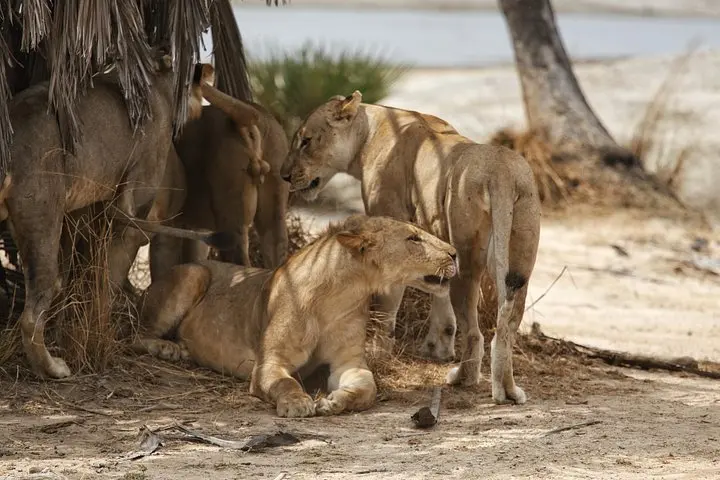
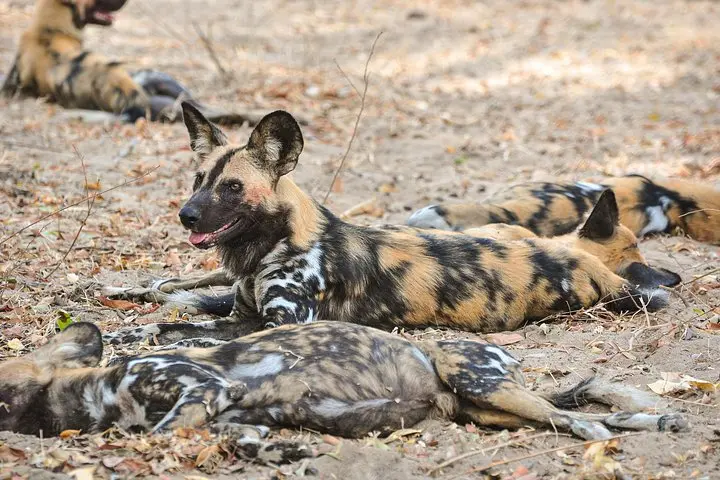
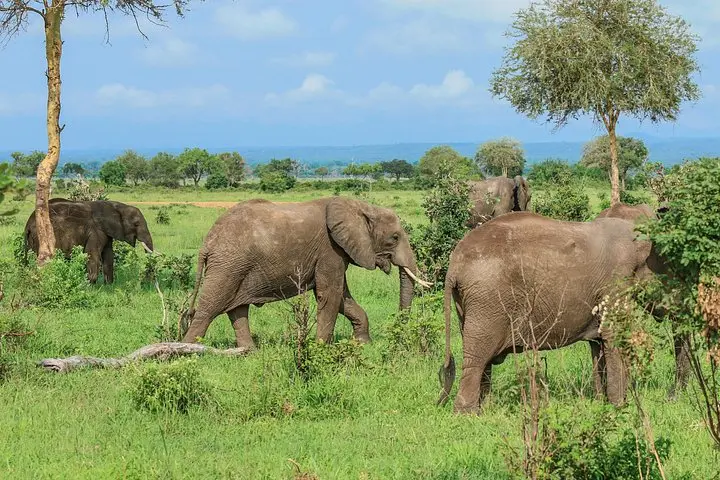
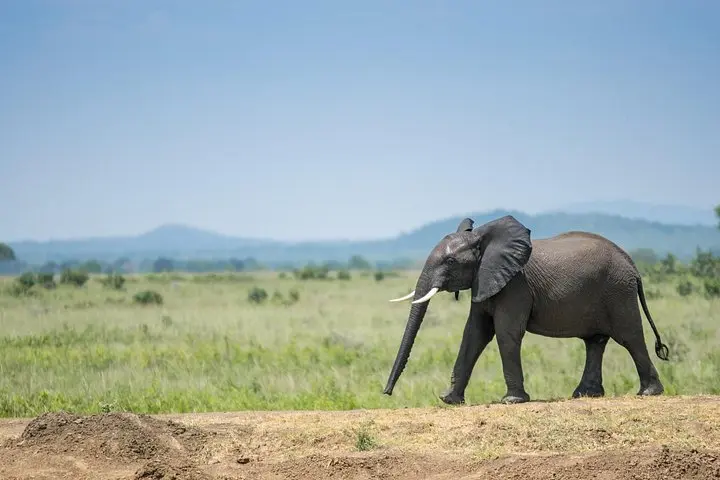
Dawn lifts off the Rufiji River in a slow, amber sweep; hippos surface like sleeping boulders and reeds whisper as a patrol of elephants moves through the floodplain. Over four days in Nyerere National Park (formerly part of Selous), the landscape alternates between river channels that dare you to get closer and broad miombo woodlands that hold predators in shadow.
Dawn lifts off the Rufiji River in a slow, amber sweep; hippos surface like sleeping boulders and reeds whisper as a patrol of elephants moves through the floodplain. Over four days in Nyerere National Park (formerly part of Selous), the landscape alternates between river channels that dare you to get closer and broad miombo woodlands that hold predators in shadow.
This region was reorganized and renamed Nyerere in 2019 to strengthen protection of Tanzania’s largest contiguous wildlife area. Geologically, the park sits on alluvial plains carved by the Rufiji, with patchwork floodplains, riverine forests and ancient granitic outcrops. Local communities of the Rufiji basin maintain fishing and irrigated rice traditions—visitors often glimpse village life at roadside markets before the remoteness swallows the road.
Expect game drives at first light, a boat safari that brings birdlife and crocodiles into focus, and a restorative dip at Beho Beho hot springs. Guides read animal behavior like a language; your best sightings come from patience and timing. Accommodations are tented lodges—comfort with thin walls to the bush.
Practical notes: travel light but prepared—sturdy walking shoes for bush walks, sun protection for midday, and a small daypack for water and camera gear. Mosquito protection is important after sunset. The park is best visited during the dry season (June–October) for concentrated wildlife around remaining waterholes, while the green season (November–May) offers prolific birding and dramatic river flows. Respect viewing distances, follow your guide’s instructions, and carry local currency for village purchases. With planning and a patient eye, Nyerere delivers a classic, up-close African safari.