THE ADVENTURE COLLECTIVE® · Independent discovery and booking for outdoor travel

Glide the Rufiji for 90 minutes of close-up wildlife viewing in Nyerere Game Reserve—hippos, crocodiles, and a chorus of waterbirds set the scene. Small groups and an experienced captain make this an accessible river safari with strong photographic opportunities.
Glide the Rufiji for 90 minutes of close-up wildlife viewing in Nyerere Game Reserve—hippos, crocodiles, and a chorus of waterbirds set the scene. Small groups and an experienced captain make this an accessible river safari with strong photographic opportunities.
Morning light skeletons the riverbank as the motor stirs the Rufiji into motion. You push off from a sandbar and the captain eases downstream, the current nudging you past hippo pods and low-canopied islands where kingfishers flash like punctuation. The river doesn’t hide— it dares you to read it: deep eddies, shoals, and a braided course that shapes the reserve’s floodplain.
Verified experiences and guided adventures in the surrounding area.
Operated by Beach & Safari · Rufiji, Pwani Region
Morning light skeletons the riverbank as the motor stirs the Rufiji into motion. You push off from a sandbar and the captain eases downstream, the current nudging you past hippo pods and low-canopied islands where kingfishers flash like punctuation. The river doesn’t hide— it dares you to read it: deep eddies, shoals, and a braided course that shapes the reserve’s floodplain.
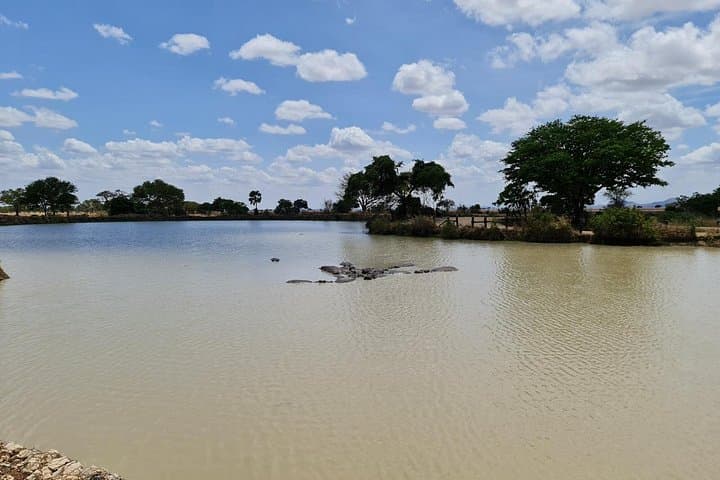
The Nyerere (formerly Selous) Game Reserve is one of Africa’s largest protected areas, carved by seasonal floods and ancient alluvial soils that support broad floodplains and mopane woodlands. Long used by local fishing communities, the Rufiji is both cultural highway and wildlife magnet—crocodiles lounging on sun-warmed banks, hippos grinding the surface into low rumbles, and dozens of waterbirds threading the sky.
A 90-minute boat safari is compact but intense: small groups, a guided captain, and close wildlife encounters from a stable, shallow-draft vessel. Expect quiet stretches interrupted by sudden activity—elephants wading, herons spearing fish, crocodiles sliding into the green.
Practical edge: go early or late for cooler temperatures and best light; wear neutral, quiet fabrics and bring binoculars and a telephoto. Keep to the captain’s distance rules—hippos are territorial and crocodiles are faster than they look. Mobile tickets and instant confirmation make timing simple, and tours commonly depart from lodges or Dar es Salaam transfers. For photographers and nature lovers alike, the Rufiji boat safari delivers concentrated wildlife viewing framed by a river that keeps the pace of the landscape.
Captains aim to offer close views while maintaining safety; expect to see hippos and crocodiles within tens of meters, but only approach if animals are calm and the guide judges it safe.
Early morning and late afternoon provide cooler temperatures, active wildlife, and better light for photography.
Yes—tours are listed as suitable for all fitness levels; small boarding steps and stable boats make the trip accessible, though mobility limitations should be reported ahead.
Tours typically include a guide and fees; mobile tickets are accepted and many operators offer a full refund if cancelled at least 24 hours before departure.
Beach & Safari operates guided outdoor trips and adventures with an emphasis on safety, stewardship, and memorable experiences.
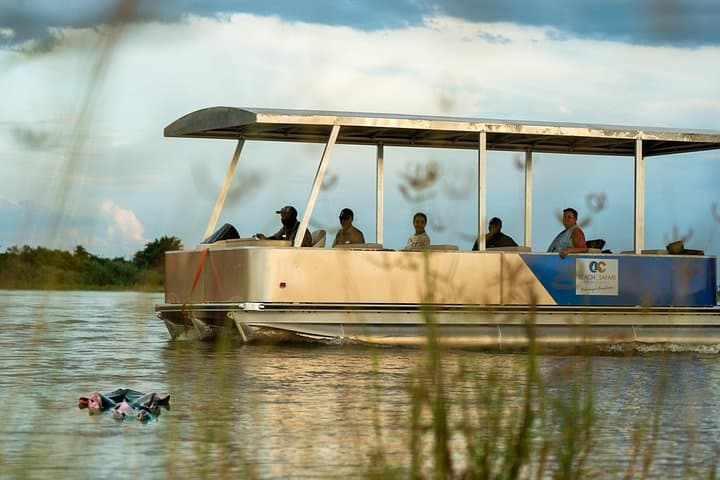
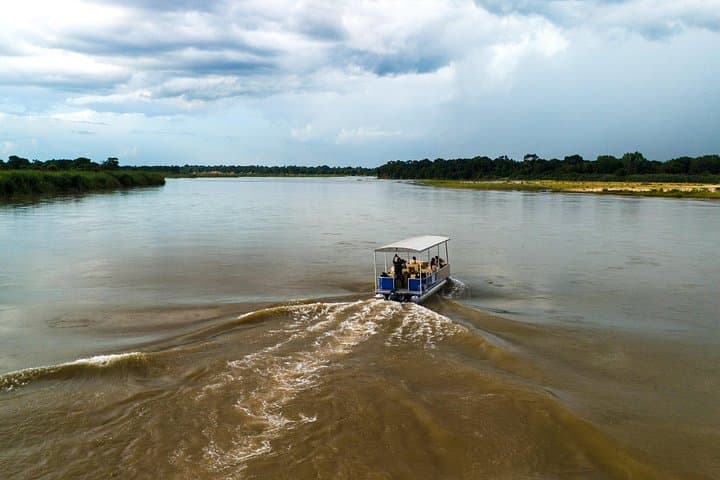
Morning light skeletons the riverbank as the motor stirs the Rufiji into motion. You push off from a sandbar and the captain eases downstream, the current nudging you past hippo pods and low-canopied islands where kingfishers flash like punctuation. The river doesn’t hide— it dares you to read it: deep eddies, shoals, and a braided course that shapes the reserve’s floodplain.
Morning light skeletons the riverbank as the motor stirs the Rufiji into motion. You push off from a sandbar and the captain eases downstream, the current nudging you past hippo pods and low-canopied islands where kingfishers flash like punctuation. The river doesn’t hide— it dares you to read it: deep eddies, shoals, and a braided course that shapes the reserve’s floodplain.
The Nyerere (formerly Selous) Game Reserve is one of Africa’s largest protected areas, carved by seasonal floods and ancient alluvial soils that support broad floodplains and mopane woodlands. Long used by local fishing communities, the Rufiji is both cultural highway and wildlife magnet—crocodiles lounging on sun-warmed banks, hippos grinding the surface into low rumbles, and dozens of waterbirds threading the sky.
A 90-minute boat safari is compact but intense: small groups, a guided captain, and close wildlife encounters from a stable, shallow-draft vessel. Expect quiet stretches interrupted by sudden activity—elephants wading, herons spearing fish, crocodiles sliding into the green.
Practical edge: go early or late for cooler temperatures and best light; wear neutral, quiet fabrics and bring binoculars and a telephoto. Keep to the captain’s distance rules—hippos are territorial and crocodiles are faster than they look. Mobile tickets and instant confirmation make timing simple, and tours commonly depart from lodges or Dar es Salaam transfers. For photographers and nature lovers alike, the Rufiji boat safari delivers concentrated wildlife viewing framed by a river that keeps the pace of the landscape.