THE ADVENTURE COLLECTIVE® · Independent discovery and booking for outdoor travel

Taste St. Lucia’s history at Morne Coubaril Estate: a compact 45‑minute tour through an 18th‑century plantation with rum pours and chocolate samples. Learn traditional processing, sit in shaded tasting rooms, and take in volcanic-soil flavors shaped by the island’s geology.
Taste St. Lucia’s history at Morne Coubaril Estate: a compact 45‑minute tour through an 18th‑century plantation with rum pours and chocolate samples. Learn traditional processing, sit in shaded tasting rooms, and take in volcanic-soil flavors shaped by the island’s geology.
You step through a wide wooden gate and the air changes: the sweet heat of fermenting cocoa and the molasses tang of aging rum press close, inviting you down a shaded lane toward an 18th-century estate house.
Verified experiences and guided adventures in the surrounding area.
Operated by Morne Coubaril Estate · Soufrière, Soufrière Quarter
You step through a wide wooden gate and the air changes: the sweet heat of fermenting cocoa and the molasses tang of aging rum press close, inviting you down a shaded lane toward an 18th-century estate house.
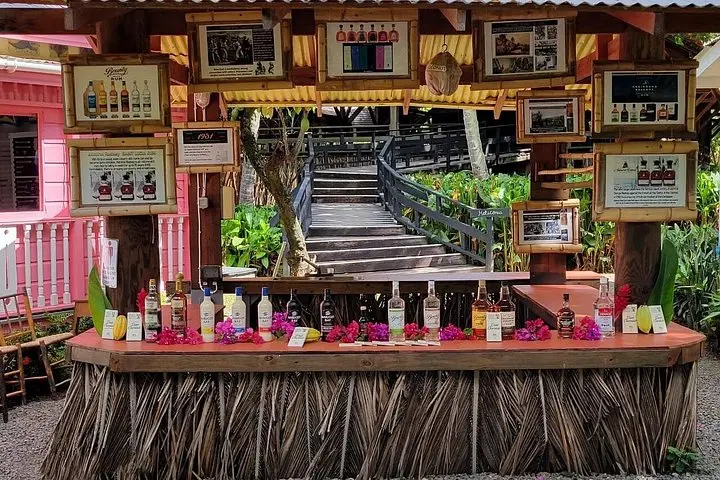
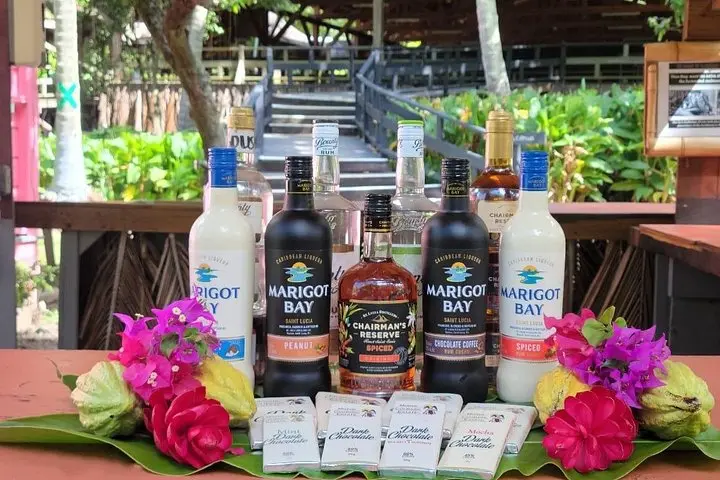
Morne Coubaril Estate sits on volcanic soils shaped by the island’s uplifted peaks; its terraces and cane fields recall the colonial economy that once tied Saint Lucia to sugar, cocoa and rum production. On this 45-minute tasting tour you move from history to hands-on craft — a guide explains traditional milling and fermentation while you sample small-batch rums and single-origin chocolates made from estate beans.
Geology matters here: mineral-rich volcanic earth gives cocoa its heft and the sugarcane its vigor, while local know-how turns those raw flavors into balanced spirits and chocolates. Cultural threads run through the visit — Creole foodways, plantation labor history and artisanal techniques passed across generations.
Practical notes: the tour is short and mostly flat with covered seating; it’s wheelchair accessible but not recommended for pregnant guests or children under 18. Expect modest walking between tasting stations and indoor shade; temperatures are tropical so plan for sun and sudden showers. Bring a reusable water bottle, wear comfortable shoes and allow extra time to browse the estate’s craft stalls or walk to a nearby hillside view of Soufrière and the Pitons. The visit is sensory and informative — a quick, grounded way to taste St. Lucia’s culinary past and present.
The tasting tour runs about 45 minutes and includes a guided walk of the estate followed by rum and chocolate samples.
This specific tour is not recommended for children under 18; check with the operator for family-friendly alternatives on the estate.
Yes — the estate reports wheelchair accessibility, though surfaces may be uneven in places; contact the operator for details or special assistance.
Yes — the estate typically offers locally made chocolates and small bottles of rum for purchase at the gift area.
Morne Coubaril Estate operates guided outdoor trips and adventures with an emphasis on safety, stewardship, and memorable experiences.
You step through a wide wooden gate and the air changes: the sweet heat of fermenting cocoa and the molasses tang of aging rum press close, inviting you down a shaded lane toward an 18th-century estate house.
You step through a wide wooden gate and the air changes: the sweet heat of fermenting cocoa and the molasses tang of aging rum press close, inviting you down a shaded lane toward an 18th-century estate house.
Morne Coubaril Estate sits on volcanic soils shaped by the island’s uplifted peaks; its terraces and cane fields recall the colonial economy that once tied Saint Lucia to sugar, cocoa and rum production. On this 45-minute tasting tour you move from history to hands-on craft — a guide explains traditional milling and fermentation while you sample small-batch rums and single-origin chocolates made from estate beans.
Geology matters here: mineral-rich volcanic earth gives cocoa its heft and the sugarcane its vigor, while local know-how turns those raw flavors into balanced spirits and chocolates. Cultural threads run through the visit — Creole foodways, plantation labor history and artisanal techniques passed across generations.
Practical notes: the tour is short and mostly flat with covered seating; it’s wheelchair accessible but not recommended for pregnant guests or children under 18. Expect modest walking between tasting stations and indoor shade; temperatures are tropical so plan for sun and sudden showers. Bring a reusable water bottle, wear comfortable shoes and allow extra time to browse the estate’s craft stalls or walk to a nearby hillside view of Soufrière and the Pitons. The visit is sensory and informative — a quick, grounded way to taste St. Lucia’s culinary past and present.