THE ADVENTURE COLLECTIVE® · Independent discovery and booking for outdoor travel

See Lüneburg at running pace: a guided 6–12 km tour that pairs gentle training with local stories, secret alleys and riverbank views. Perfect for runners who want culture with their cardio.
See Lüneburg at running pace: a guided 6–12 km tour that pairs gentle training with local stories, secret alleys and riverbank views. Perfect for runners who want culture with their cardio.
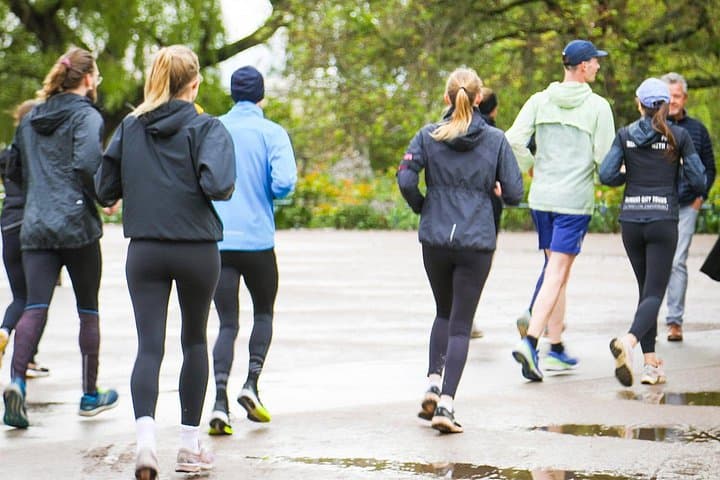
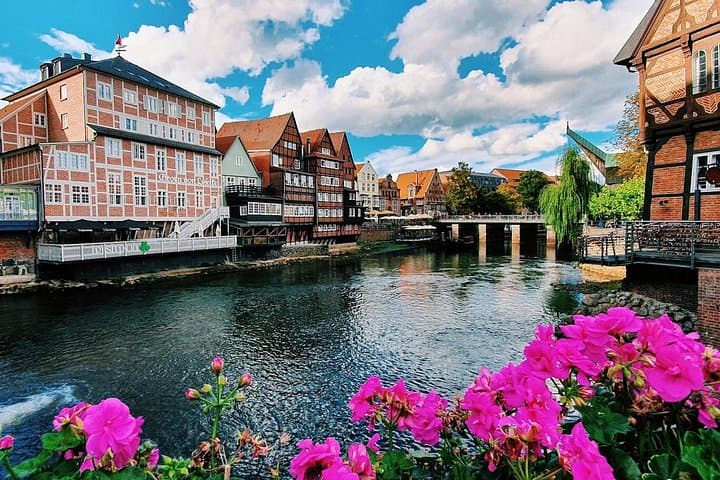
Early morning in Lüneburg smells like warm stone and river water — the Ilmenau threads through narrow streets and the brick façades hold the chill of the night. A small group loosens up on cobbles, then sets off: a steady, human-paced line that uses running to reveal the city’s layers faster than footnotes can.
Verified experiences and guided adventures in the surrounding area.
Operated by Running City Tours · Lüneburg, Lower Saxony
Early morning in Lüneburg smells like warm stone and river water — the Ilmenau threads through narrow streets and the brick façades hold the chill of the night. A small group loosens up on cobbles, then sets off: a steady, human-paced line that uses running to reveal the city’s layers faster than footnotes can.
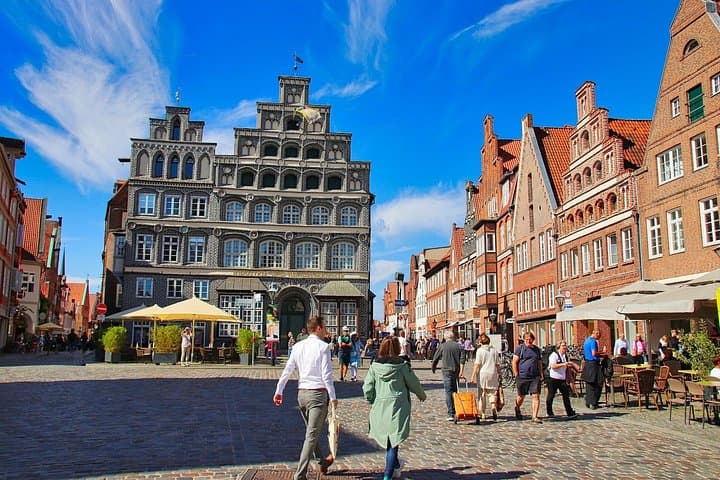
Lüneburg grew rich on salt: the medieval saltworks funded Hanseatic trade and left a compact old town of gabled houses, hidden courtyards and the Wasserviertel by the river. Geologically the region sits on glacial deposits and salt seams, and nearby the Lüneburg Heath opens to heather and sandy soils shaped by ice-age rivers.
This tour moves through neighborhoods and waterfront paths rather than a single monument—expect local anecdotes, practical insider tips for cafés and short detours past less-crowded viewpoints. Guides match pace to the group for 6–12 km runs, so the experience is exercise-first but culture-rich.
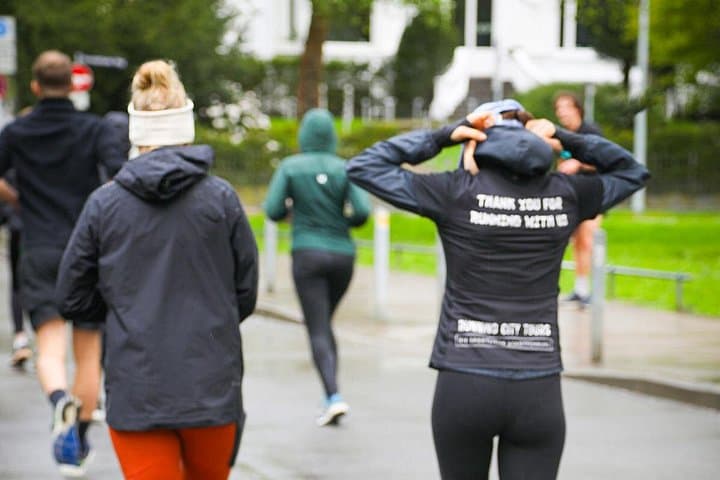
Practically: plan for uneven cobbles, short stair sections and occasional puddles after rain. Wear grippy road shoes, carry a small bottle or bladder, and layer for changing temps; public transport reaches central meeting points easily. The tour runs 60–120 minutes in small groups (max ~5), starting with a warm-up and ending in a cooldown and local recommendations.
Best times are cool mornings or early evenings to avoid traffic and heat; bring a contact phone number, and alert guides to any cardiovascular concerns. This is a city run with intention — it moves you through history at a human tempo and hands you insider directions you can use long after the cool-down.
Yes — the guide sets an individual pace and groups are small; choose the shorter distance option if you’re new to city running.
Meeting points are typically in central Lüneburg near the old town; exact location is confirmed after booking and is accessible by bus or train.
Tours may be canceled or rescheduled for safety in heavy rain or icy conditions; check the cancellation policy and dress in layers for light rain.
Groups are intentionally small (around five people) so the guide can match pace and share insider tips without leaving anyone behind.
Running City Tours operates guided outdoor trips and adventures with an emphasis on safety, stewardship, and memorable experiences.
Early morning in Lüneburg smells like warm stone and river water — the Ilmenau threads through narrow streets and the brick façades hold the chill of the night. A small group loosens up on cobbles, then sets off: a steady, human-paced line that uses running to reveal the city’s layers faster than footnotes can.
Early morning in Lüneburg smells like warm stone and river water — the Ilmenau threads through narrow streets and the brick façades hold the chill of the night. A small group loosens up on cobbles, then sets off: a steady, human-paced line that uses running to reveal the city’s layers faster than footnotes can.
Lüneburg grew rich on salt: the medieval saltworks funded Hanseatic trade and left a compact old town of gabled houses, hidden courtyards and the Wasserviertel by the river. Geologically the region sits on glacial deposits and salt seams, and nearby the Lüneburg Heath opens to heather and sandy soils shaped by ice-age rivers.
This tour moves through neighborhoods and waterfront paths rather than a single monument—expect local anecdotes, practical insider tips for cafés and short detours past less-crowded viewpoints. Guides match pace to the group for 6–12 km runs, so the experience is exercise-first but culture-rich.
Practically: plan for uneven cobbles, short stair sections and occasional puddles after rain. Wear grippy road shoes, carry a small bottle or bladder, and layer for changing temps; public transport reaches central meeting points easily. The tour runs 60–120 minutes in small groups (max ~5), starting with a warm-up and ending in a cooldown and local recommendations.
Best times are cool mornings or early evenings to avoid traffic and heat; bring a contact phone number, and alert guides to any cardiovascular concerns. This is a city run with intention — it moves you through history at a human tempo and hands you insider directions you can use long after the cool-down.