THE ADVENTURE COLLECTIVE® · Independent discovery and booking for outdoor travel

Run Oslo is a guided 10K city running tour that threads waterfront squares, royal parks, and Vigeland’s sculptures. Expect easy conversational pacing, two short scenic breaks, and a compact route that starts and ends at City Hall.
Run Oslo is a guided 10K city running tour that threads waterfront squares, royal parks, and Vigeland’s sculptures. Expect easy conversational pacing, two short scenic breaks, and a compact route that starts and ends at City Hall.
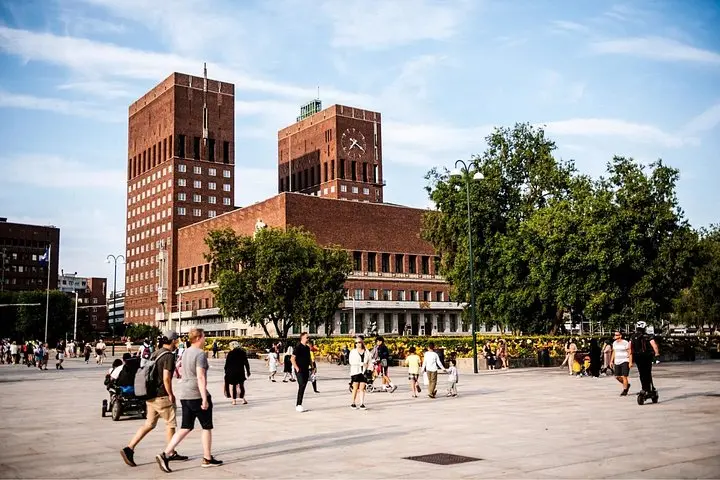
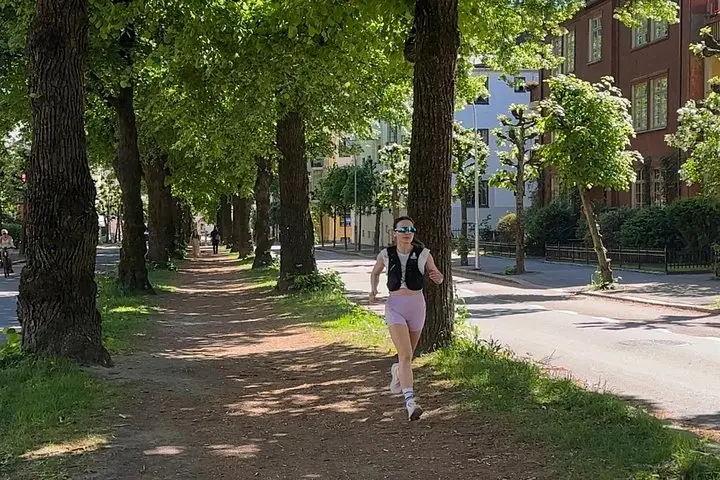
You meet at Rådhusplassen with the harbor wind tapping your shoulders and the city already in motion — ferries carving the Oslofjord, bikes threading the quay. The run unrolls like a city map under your feet: cobble, park paths, tree-lined avenues and quick glimpses of waterfront architecture. It’s conversational, social, and paced to keep the group together.
Verified experiences and guided adventures in the surrounding area.
Operated by Running Tours (Oslo) · Oslo, Oslo
You meet at Rådhusplassen with the harbor wind tapping your shoulders and the city already in motion — ferries carving the Oslofjord, bikes threading the quay. The run unrolls like a city map under your feet: cobble, park paths, tree-lined avenues and quick glimpses of waterfront architecture. It’s conversational, social, and paced to keep the group together.
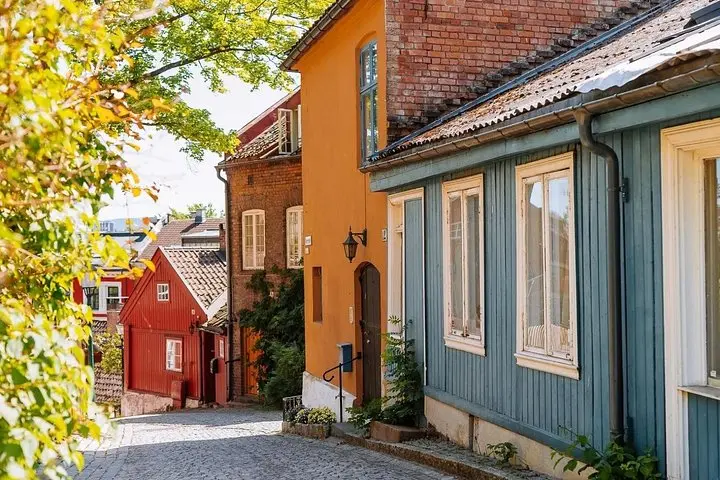
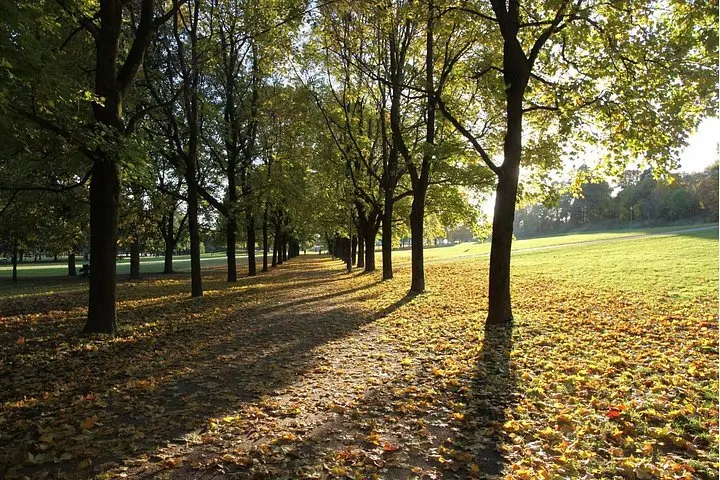
Oslo’s center has layers of history: wooden 19th-century houses on Telthusbakken, the neoclassical sweep of the University and Royal Palace, and the modernist City Hall that frames the harbor. Vigeland Park punctuates the route with Gustav Vigeland’s human forms set into lawns carved from Oslo’s post-glacial terrain — remnants of an ice age that left smooth bedrock and scattered moraines across the city.
Practical guide: expect roughly 10 km with about 100 m of ascent over mixed surfaces; two planned 10-minute stops in Vigeland Park and Telthusbakken. Start and finish are at City Hall (Rådhusplassen), making logistics simple by tram or ferry. Wear well-broken-in running shoes that handle brief gravel and cobbles; bring a light windproof layer and a small hydration belt. Mornings offer cooler air and quieter streets; long daylight in summer makes late departures workable, while winter runs need traction and reflective gear.
Local tips: listen to guides for quieter alleys and courtyards, respect park rules around sculptures, and save your camera for the palace hill and the Vigeland monolith. The tour is as much about moving through Oslo as seeing it — a practical, scenic way to feel the city’s pace.
The guide keeps a conversational, easy jog pace designed for mixed-ability groups with periodic walk breaks.
The run starts and finishes at Oslo City Hall (Rådhusplassen), a short walk from many tram and ferry stops.
Yes—public restrooms are available near Vigeland Park and several cafés along the route; guides will point them out.
Tours may run in winter but expect icy patches and shorter daylight; organizers may cancel for unsafe conditions and require traction devices.
Running Tours (Oslo) operates guided outdoor trips and adventures with an emphasis on safety, stewardship, and memorable experiences.
You meet at Rådhusplassen with the harbor wind tapping your shoulders and the city already in motion — ferries carving the Oslofjord, bikes threading the quay. The run unrolls like a city map under your feet: cobble, park paths, tree-lined avenues and quick glimpses of waterfront architecture. It’s conversational, social, and paced to keep the group together.
You meet at Rådhusplassen with the harbor wind tapping your shoulders and the city already in motion — ferries carving the Oslofjord, bikes threading the quay. The run unrolls like a city map under your feet: cobble, park paths, tree-lined avenues and quick glimpses of waterfront architecture. It’s conversational, social, and paced to keep the group together.
Oslo’s center has layers of history: wooden 19th-century houses on Telthusbakken, the neoclassical sweep of the University and Royal Palace, and the modernist City Hall that frames the harbor. Vigeland Park punctuates the route with Gustav Vigeland’s human forms set into lawns carved from Oslo’s post-glacial terrain — remnants of an ice age that left smooth bedrock and scattered moraines across the city.
Practical guide: expect roughly 10 km with about 100 m of ascent over mixed surfaces; two planned 10-minute stops in Vigeland Park and Telthusbakken. Start and finish are at City Hall (Rådhusplassen), making logistics simple by tram or ferry. Wear well-broken-in running shoes that handle brief gravel and cobbles; bring a light windproof layer and a small hydration belt. Mornings offer cooler air and quieter streets; long daylight in summer makes late departures workable, while winter runs need traction and reflective gear.
Local tips: listen to guides for quieter alleys and courtyards, respect park rules around sculptures, and save your camera for the palace hill and the Vigeland monolith. The tour is as much about moving through Oslo as seeing it — a practical, scenic way to feel the city’s pace.