THE ADVENTURE COLLECTIVE® · Independent discovery and booking for outdoor travel

Spend a full day with a local guide exploring Runswick Bay, Staithes and Whitby—coastal villages, moorland panoramas and two hours to explore Whitby’s harbour and abbey. This small-group tour balances short walks with scenic drives and local history.
Spend a full day with a local guide exploring Runswick Bay, Staithes and Whitby—coastal villages, moorland panoramas and two hours to explore Whitby’s harbour and abbey. This small-group tour balances short walks with scenic drives and local history.
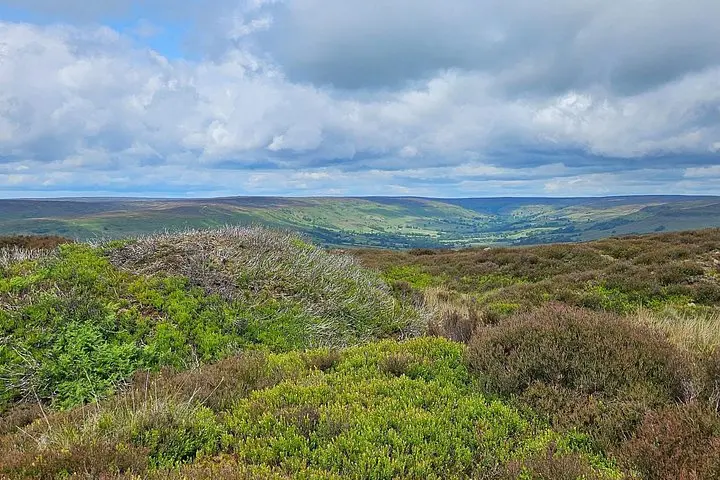
The minibus eases out of Helmsley before dawn and the moorland opens like a great, breathing map—peaty brown ridges cut by stone walls, and the North Sea glinting on the horizon. Guests step out at Runswick Bay and the salt air pushes at their jackets; gulls wheel above narrow streets and fishermen’s cottages cling to the hillside. The day moves with the tide and the guide, Greg, who threads local stories into each stop.
Verified experiences and guided adventures in the surrounding area.
Operated by All Tours Great and Small · Whitby, North Yorkshire
The minibus eases out of Helmsley before dawn and the moorland opens like a great, breathing map—peaty brown ridges cut by stone walls, and the North Sea glinting on the horizon. Guests step out at Runswick Bay and the salt air pushes at their jackets; gulls wheel above narrow streets and fishermen’s cottages cling to the hillside. The day moves with the tide and the guide, Greg, who threads local stories into each stop.
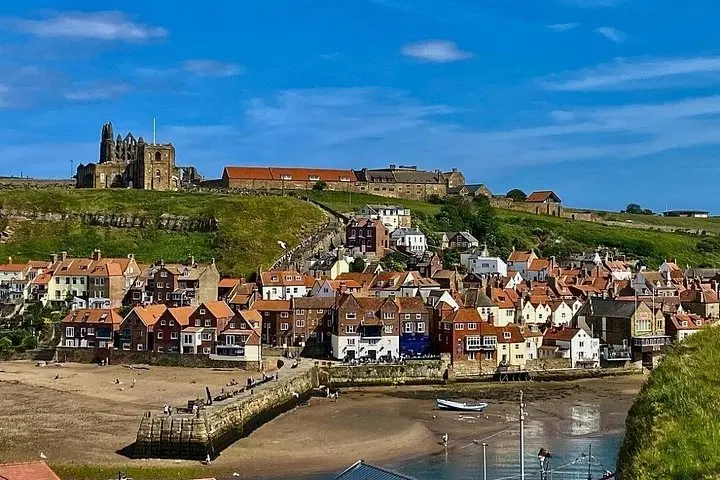
This circuit links coastal villages and moorland shaped by glaciations and centuries of fishing and agriculture. Whitby Abbey’s ruined arches stand on Jurassic cliffs; the town grew around a medieval port and later inspired Bram Stoker’s Dracula. Inland, the North York Moors are a raised table of heather and peat, tended by sheep and grouse shooting traditions that have shaped the landscape.
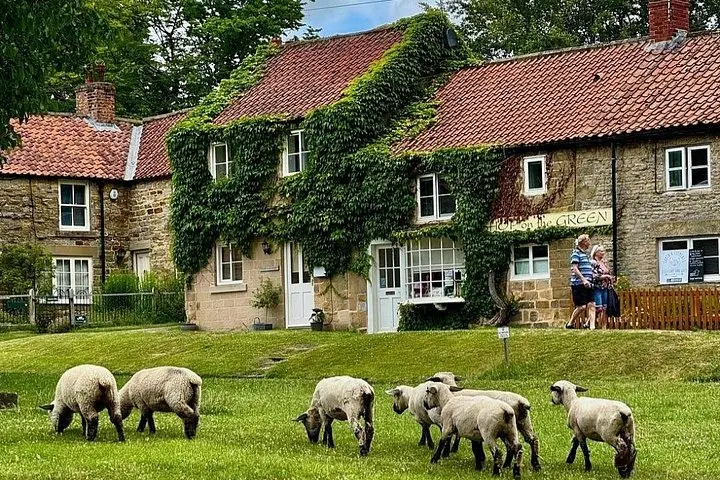
Practicalities matter: the tour runs about 8–9 hours with multiple short walks and photo stops—Byland Abbey, Helmsley market, Hutton-le-Hole, Runswick Bay, Staithes, and two hours in Whitby. Paths on the moors can be boggy after rain; coastal cliffs are exposed. Expect refreshment stops and restroom access in towns, but bring layers and waterproofs for changing weather.
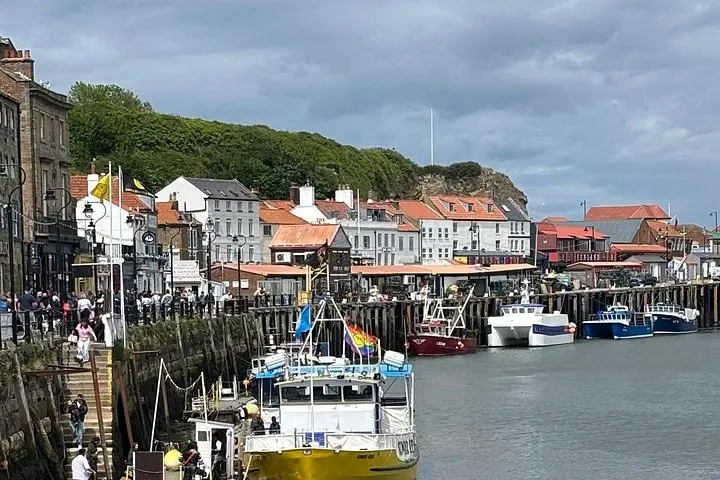
For photographers, golden hour on the piers and the climb behind Whitby Abbey reward early mornings and late afternoons. Wildflower and bird activity peak in spring and summer; winter brings sharper light and quieter villages. The small-group format (max seven) keeps the rhythm flexible and allows time to ask local questions—about fishing, the abbey’s Gothic window design inspirations, and the slow work of conservation that protects these places.
The tour is approximately 8–9 hours (510 minutes) and begins near the Art Gallery at the designated meeting point—look for the water fountains.
Meals are not included; there are planned refreshment stops and about two hours in Whitby to buy lunch or snacks.
Infants can use strollers and the minibus gets guests close to attractions, but travelers should be able to walk short distances and manage some steep roads and steps.
Full refunds are available if you cancel at least 24 hours before departure; tours may be cancelled in bad weather.
All Tours Great and Small operates guided outdoor trips and adventures with an emphasis on safety, stewardship, and memorable experiences.
The minibus eases out of Helmsley before dawn and the moorland opens like a great, breathing map—peaty brown ridges cut by stone walls, and the North Sea glinting on the horizon. Guests step out at Runswick Bay and the salt air pushes at their jackets; gulls wheel above narrow streets and fishermen’s cottages cling to the hillside. The day moves with the tide and the guide, Greg, who threads local stories into each stop.
The minibus eases out of Helmsley before dawn and the moorland opens like a great, breathing map—peaty brown ridges cut by stone walls, and the North Sea glinting on the horizon. Guests step out at Runswick Bay and the salt air pushes at their jackets; gulls wheel above narrow streets and fishermen’s cottages cling to the hillside. The day moves with the tide and the guide, Greg, who threads local stories into each stop.
This circuit links coastal villages and moorland shaped by glaciations and centuries of fishing and agriculture. Whitby Abbey’s ruined arches stand on Jurassic cliffs; the town grew around a medieval port and later inspired Bram Stoker’s Dracula. Inland, the North York Moors are a raised table of heather and peat, tended by sheep and grouse shooting traditions that have shaped the landscape.
Practicalities matter: the tour runs about 8–9 hours with multiple short walks and photo stops—Byland Abbey, Helmsley market, Hutton-le-Hole, Runswick Bay, Staithes, and two hours in Whitby. Paths on the moors can be boggy after rain; coastal cliffs are exposed. Expect refreshment stops and restroom access in towns, but bring layers and waterproofs for changing weather.
For photographers, golden hour on the piers and the climb behind Whitby Abbey reward early mornings and late afternoons. Wildflower and bird activity peak in spring and summer; winter brings sharper light and quieter villages. The small-group format (max seven) keeps the rhythm flexible and allows time to ask local questions—about fishing, the abbey’s Gothic window design inspirations, and the slow work of conservation that protects these places.