THE ADVENTURE COLLECTIVE® · Independent discovery and booking for outdoor travel

Explore basalt cliffs and a 14th‑century fortress on a small‑group day tour from Brașov. Walk volcanic quarries, see columnar basalt and visit Rupea Fortress and Racos village with a knowledgeable local guide.
Explore basalt cliffs and a 14th‑century fortress on a small‑group day tour from Brașov. Walk volcanic quarries, see columnar basalt and visit Rupea Fortress and Racos village with a knowledgeable local guide.
You step out of the air-conditioned van and the basalt cliffs loom like a folded language written in black rock. Wind pushes across the open plateau; your boots crunch on ancient fragments of cooled lava while the fortress above Rupea watches like a carved crown. The day moves between stone-made defense and the raw geometry of volcanic columns.
Verified experiences and guided adventures in the surrounding area.
Operated by Active Travel Day Tours · Brașov, Brașov County
You step out of the air-conditioned van and the basalt cliffs loom like a folded language written in black rock. Wind pushes across the open plateau; your boots crunch on ancient fragments of cooled lava while the fortress above Rupea watches like a carved crown. The day moves between stone-made defense and the raw geometry of volcanic columns.
The route stitches together two stories: human defense and geologic restlessness. Rupea Fortress sits on a basalt outcrop with three concentric rings and a 60‑m well, its medieval masonry perched on lava hardened over a million years ago. A short drive brings you to Racos, where quarries expose columnar basalt from Quaternary eruptions — the last volcanic notes of the Eastern Carpathians. Locals call Brazi’s flooded quarry the Emerald Lake; it’s a post-industrial pond that reads like geological recovery.
Expect 7–8 hours of travel and walking: cobbled fortress approaches, uneven quarry trails, and short paved village streets. Guides explain the Persani Mountains’ basaltic eruptions (about 1.3–1.5 million years ago) and point out features like hexagonal columns and chilled margins. Cultural stops include the 17th‑century Sükösd‑Bethlen Castle and village anecdotes about Ottoman raids and local landowners.
Practical edge: wear sturdy shoes for loose scoria and steps, layer for wind at higher outlooks, carry 1–2 liters of water and a light rain shell. Photography is excellent in low-angle light; some protected zones restrict close access — stay on marked paths. The tour suits travelers with moderate fitness and curiosity for geology and history; bring sensible footwear and leave samples where they belong.
The tour lasts about 7–8 hours and includes transport in an air‑conditioned vehicle, entrance fees to indicated sites, and a licensed English‑speaking guide.
People of varied ages can join, but participants should be able to walk short distances on uneven ground and climb steps; disclose mobility needs when booking.
Meals are not generally included; the itinerary allows time in villages where you can buy a light lunch or bring packed food.
Most areas allow photography from viewpoints, but some protected outcrops restrict close access — guides will point out no‑go zones and photo‑friendly angles.
Active Travel Day Tours operates guided outdoor trips and adventures with an emphasis on safety, stewardship, and memorable experiences.
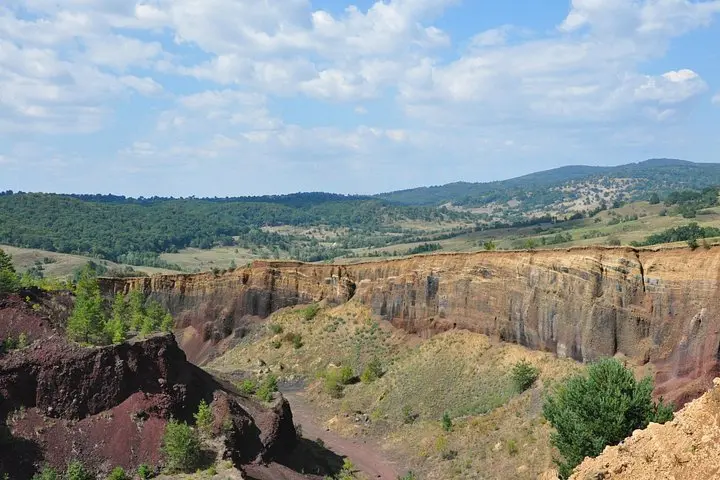
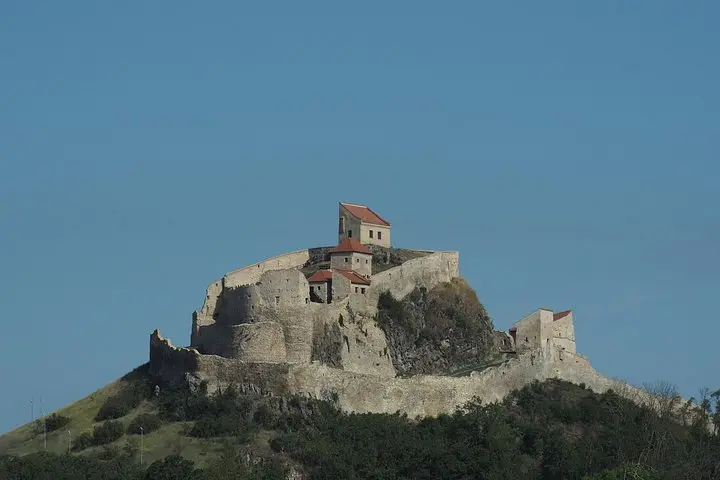
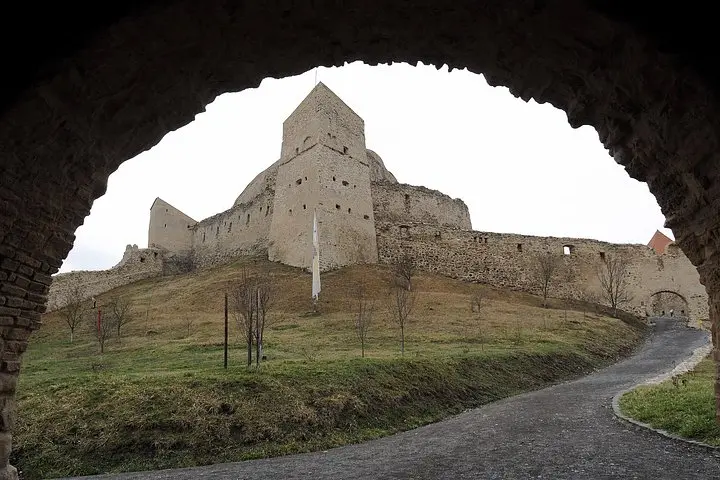
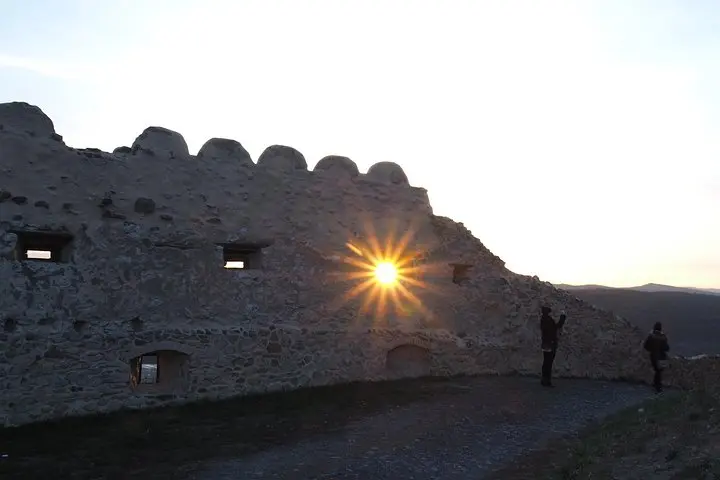
You step out of the air-conditioned van and the basalt cliffs loom like a folded language written in black rock. Wind pushes across the open plateau; your boots crunch on ancient fragments of cooled lava while the fortress above Rupea watches like a carved crown. The day moves between stone-made defense and the raw geometry of volcanic columns.
You step out of the air-conditioned van and the basalt cliffs loom like a folded language written in black rock. Wind pushes across the open plateau; your boots crunch on ancient fragments of cooled lava while the fortress above Rupea watches like a carved crown. The day moves between stone-made defense and the raw geometry of volcanic columns.
The route stitches together two stories: human defense and geologic restlessness. Rupea Fortress sits on a basalt outcrop with three concentric rings and a 60‑m well, its medieval masonry perched on lava hardened over a million years ago. A short drive brings you to Racos, where quarries expose columnar basalt from Quaternary eruptions — the last volcanic notes of the Eastern Carpathians. Locals call Brazi’s flooded quarry the Emerald Lake; it’s a post-industrial pond that reads like geological recovery.
Expect 7–8 hours of travel and walking: cobbled fortress approaches, uneven quarry trails, and short paved village streets. Guides explain the Persani Mountains’ basaltic eruptions (about 1.3–1.5 million years ago) and point out features like hexagonal columns and chilled margins. Cultural stops include the 17th‑century Sükösd‑Bethlen Castle and village anecdotes about Ottoman raids and local landowners.
Practical edge: wear sturdy shoes for loose scoria and steps, layer for wind at higher outlooks, carry 1–2 liters of water and a light rain shell. Photography is excellent in low-angle light; some protected zones restrict close access — stay on marked paths. The tour suits travelers with moderate fitness and curiosity for geology and history; bring sensible footwear and leave samples where they belong.